Commercial Gym Equipment Power Requirements Checklist: Contents
- Build the powered-equipment inventory
- Verify the electrical design
- Plan outlets and cables
- Coordinate consoles and networks
- Control installation and testing
- Maintain operating records
- Frequently asked questions
A commercial gym equipment power requirements checklist helps project teams coordinate powered cardio machines, consoles, charging points, floor boxes, circuits, outlets, cable routes, network connections, shutdown arrangements, and maintenance access before equipment is delivered.
This commercial gym equipment power requirements checklist is a planning tool, not an electrical design. Licensed or otherwise qualified electrical professionals must determine code compliance, circuit design, protection, grounding, isolation, testing, and approval for the actual building and jurisdiction.

Build a Model-Specific Powered-Equipment Inventory
Begin the commercial gym equipment power requirements checklist with the approved equipment schedule. For every powered unit, record the manufacturer, model, quantity, final position, rated voltage, frequency, input or current information, plug type, cord length, console options, network needs, and current installation instructions.
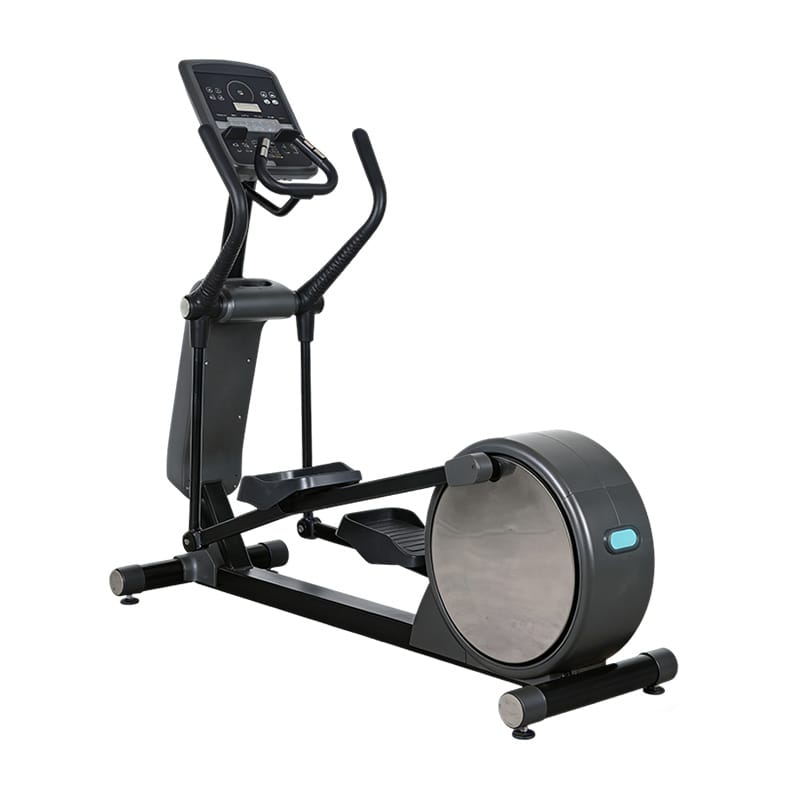
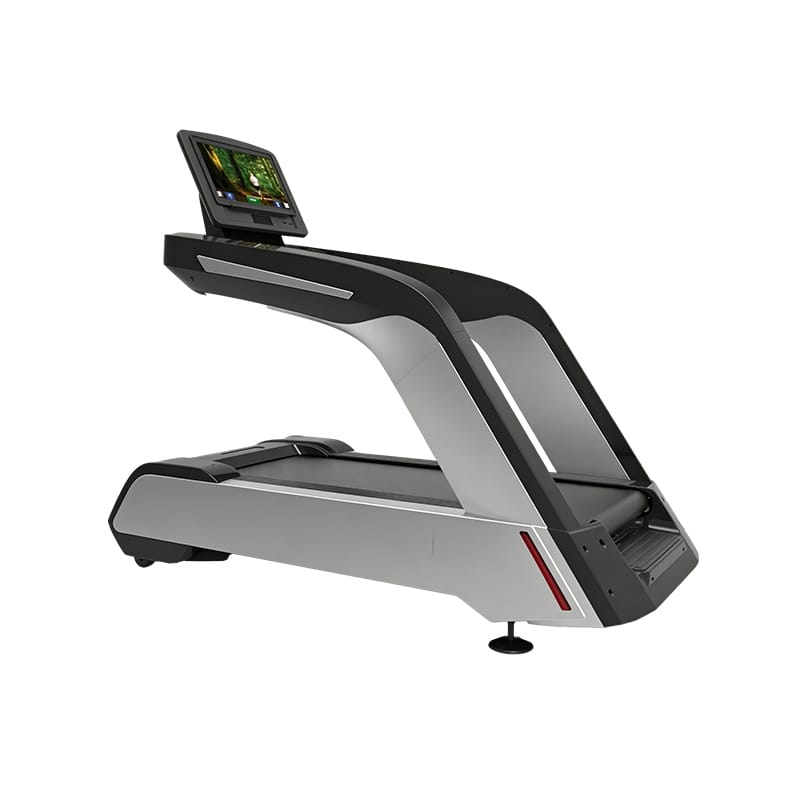
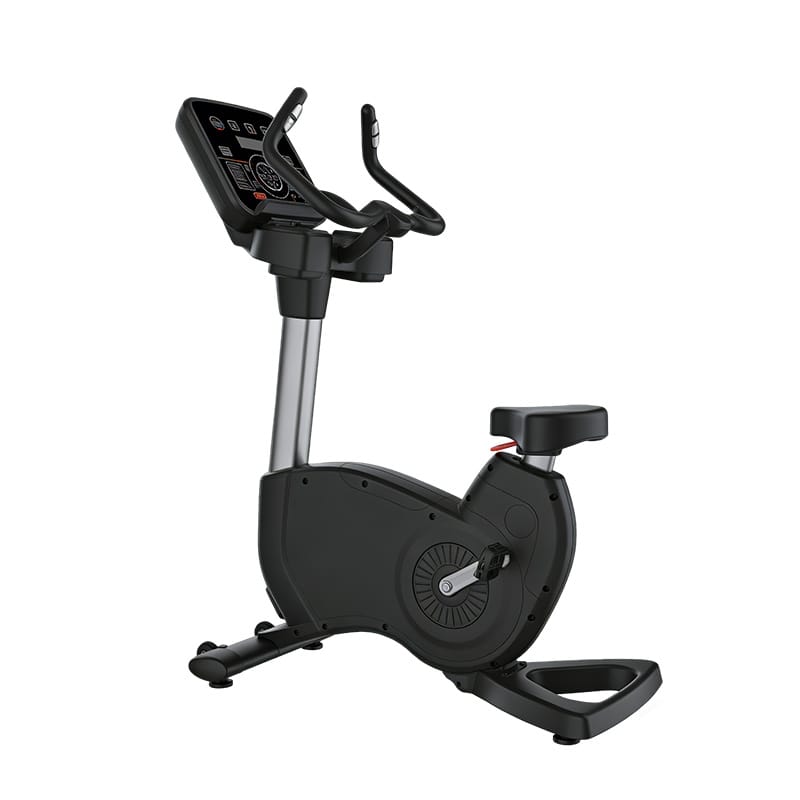
Do not copy requirements from a similar-looking machine. Treadmills, stair climbers, ellipticals, bikes, rowing equipment, connected displays, entertainment systems, and charging accessories can have different electrical characteristics. Optional consoles can also change power or data needs.
- Equipment model and project quantity
- Manufacturer electrical rating and plug configuration
- Dedicated-circuit requirement where specified
- Permitted extension, adapter, or power-strip policy
- Network, audiovisual, and charging connections
- Shutdown, isolation, and service-access method
- Document revision and responsible reviewer
Use the commercial gym equipment procurement checklist to request complete technical submittals. The commercial gym equipment power requirements checklist should not be approved while model data or console options remain provisional.
Verify the Building Electrical Design
A commercial gym equipment power requirements checklist should connect the equipment schedule to the electrical load assessment, distribution board, circuit allocation, protective devices, grounding, outlet type, voltage, testing, labeling, and future capacity. These decisions belong to competent electrical professionals.
The OSHA electrical overview explains that electrical standards address hazards including shock, electrocution, fire, and explosion in U.S. workplaces. Apply the codes and workplace requirements governing the project rather than treating a product plug as proof that an outlet is suitable.
| Design input | Question | Evidence |
|---|---|---|
| Equipment load | What does each approved model require? | Current manufacturer submittal |
| Circuit design | How are loads and protection allocated? | Approved electrical schedule |
| Grounding and outlets | Are connections correct for the equipment? | Installation and test record |
| Isolation | How will equipment be made safe for service? | Approved operating procedure |
Coordinate emergency power and shutdown expectations with the building team. Most gym equipment should not be assumed to require standby supply, but emergency lighting, communications, access control, life-safety systems, and building procedures need separate professional review.
Position Outlets Without Creating Access or Trip Problems
The commercial gym equipment power requirements checklist should place outlets and floor boxes against the final equipment layout, not a generic grid. Confirm the machine’s cord exit, permitted orientation, service movement, adjustment space, cleaning access, and manufacturer clearance.
Cords should not cross walking routes, accessible routes, wet-cleaning paths, doorways, or areas where weights and mobile accessories are handled. Do not rely on loose covers or temporary tape as a permanent design solution. Coordinate the commercial gym equipment layout guide with the power plan.
The U.S. Access Board accessible-route standards provide requirements for accessible routes where applicable. The commercial gym equipment power requirements checklist should keep floor boxes, cable protection, and equipment connections from creating avoidable changes in level or obstructing required clear spaces.
Record whether adapters, extension cords, or multi-outlet devices are prohibited or require specific approval. Follow manufacturer instructions and the electrical professional’s design. Never use an adapter to conceal an incompatible voltage, plug, grounding, or circuit condition.
Coordinate Connected Consoles and Network Security
Modern consoles may require wired or wireless networks, account registration, software updates, media inputs, USB charging, or cloud services. Add these requirements to the commercial gym equipment power requirements checklist before procurement and installation.
Separate electrical readiness from IT approval. The facility should identify network ownership, supported connection type, credentials, device inventory, update responsibility, privacy settings, content controls, support access, and the response when a connected service becomes unavailable.
The NIST Cybersecurity for IoT Program provides resources for understanding and managing cybersecurity risks associated with connected devices. Use the organization’s policies and applicable requirements. The commercial gym equipment power requirements checklist should name the IT approver rather than assuming a working Wi-Fi signal is sufficient.
Document account transfer, default-password changes where applicable, remote-support authorization, software ownership, subscription responsibilities, and factory-reset procedures. Do not place credentials in general maintenance records.
Control Connection, Testing, and Project Handover
A commercial gym equipment power requirements checklist should define who installs outlets, who connects equipment, who performs electrical testing, who starts the machine, and who accepts operation. Do not let delivery staff connect equipment to an unverified temporary supply.
Before energizing, confirm the correct model and location, rated supply, outlet label, plug and cord condition, protective device, grounding verification required by the project, stable equipment placement, dry surroundings, and completed manufacturer installation steps.
Use the commercial gym equipment installation checklist for assembly and the equipment handover checklist for documents, training, defects, functional checks, and acceptance. The commercial gym equipment power requirements checklist should be attached to both records.
Test normal startup, user controls, emergency stop features where provided, console behavior, shutdown, and reconnection only according to the approved procedure. Record unusual noise, odor, heat, tripping, display faults, communication failures, or intermittent power and isolate the equipment when safe operation is uncertain.
Maintain Power and Service Records During Operation
The commercial gym equipment power requirements checklist remains useful after opening. Keep the equipment inventory, circuit schedule, outlet labels, technical manuals, test records, approved settings, IT ownership, service contacts, and change history current.
Train staff to recognize damaged plugs, crushed cords, loose outlets, moisture, repeated protective-device operation, burning odors, unusual heat, and unauthorized adapters. They should isolate access and report conditions without opening electrical enclosures or attempting repairs beyond their authority.
Connect observations to the commercial gym equipment maintenance checklist. The commercial gym equipment power requirements checklist should be reviewed whenever equipment is replaced, relocated, upgraded with a new console, or connected to a different circuit or network.
For electrical work in U.S. workplaces, the OSHA electrical hazards resources provide additional context. The facility still needs qualified interpretation of applicable codes, standards, and work practices.
Commercial Gym Equipment Power FAQ
Does every cardio machine need a dedicated circuit?
Requirements depend on the exact model, manufacturer instructions, electrical design, connected load, and applicable code. Obtain a model-specific professional determination.
Can extension cords be used permanently?
The commercial gym equipment power requirements checklist should not assume they are permitted. Follow manufacturer instructions, workplace rules, electrical design, and applicable code.
Who approves floor-box positions?
The commercial gym equipment power requirements checklist should coordinate the equipment planner, electrical professional, architect, accessibility team, flooring team, installer, and facility operator.
What if a breaker or protective device operates repeatedly?
Stop using the affected equipment, control access, record the condition, and obtain authorized technical investigation. Do not repeatedly reset it without identifying the cause.
Should Wi-Fi be tested before delivery?
Yes, when approved consoles depend on it. Add coverage, security, account ownership, bandwidth expectations, and support responsibilities to the commercial gym equipment power requirements checklist.
Coordinate Power Before the Floor Is Finished
A commercial gym equipment power requirements checklist connects model data, electrical design, outlets, cables, accessibility, networks, installation, testing, and maintenance. It prevents late temporary solutions from becoming permanent operating risks.
Review the commercial gym equipment power requirements checklist with electrical, IT, building, and equipment teams. Explore Corexo aerobic equipment or contact Corexo for project documentation and equipment planning.