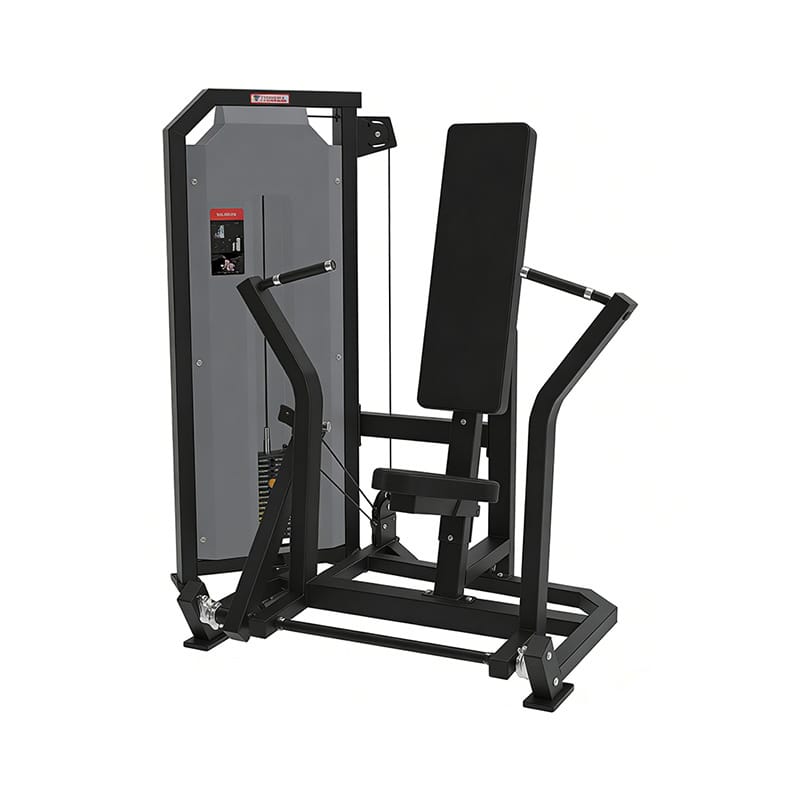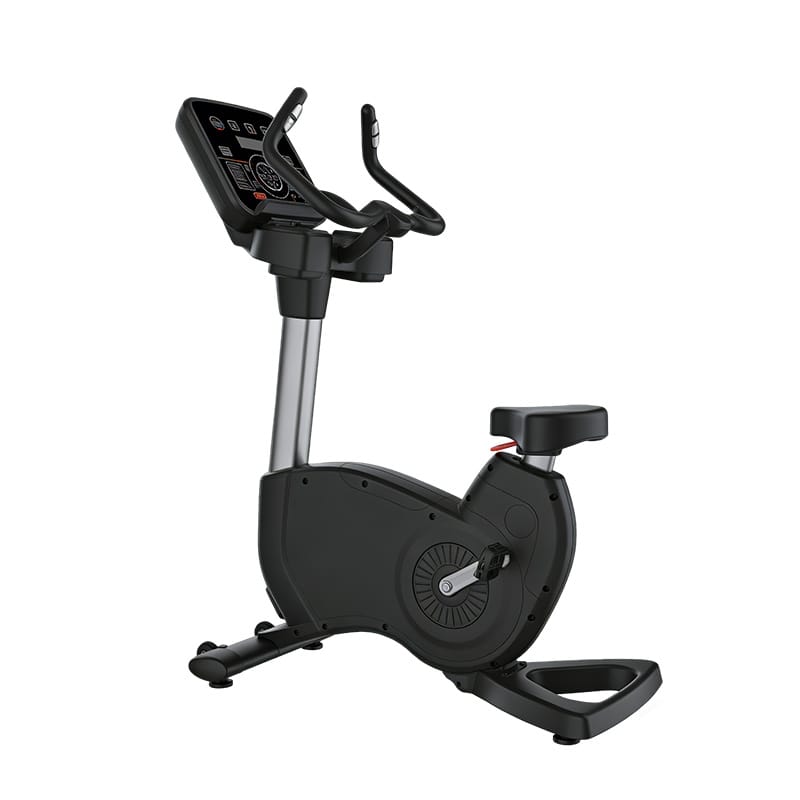
Commercial Gym Equipment Procurement Checklist: Contents
- Build the procurement brief
- Verify site conditions
- Define equipment requirements
- Review supplier documents
- Plan delivery and handover
- Create an evaluation record
- Frequently asked questions
A commercial gym equipment procurement checklist turns a broad buying request into a documented project brief. It helps gym owners, developers, hotel and apartment operators, schools, office facilities, distributors, and project managers compare equipment against the same operational, spatial, technical, service, and delivery requirements.
This commercial gym equipment procurement checklist is a decision-support framework, not a substitute for contracts, legal review, local building and electrical requirements, accessibility analysis, structural engineering, equipment standards, or model-specific documentation. Adapt it to the facility and jurisdiction.
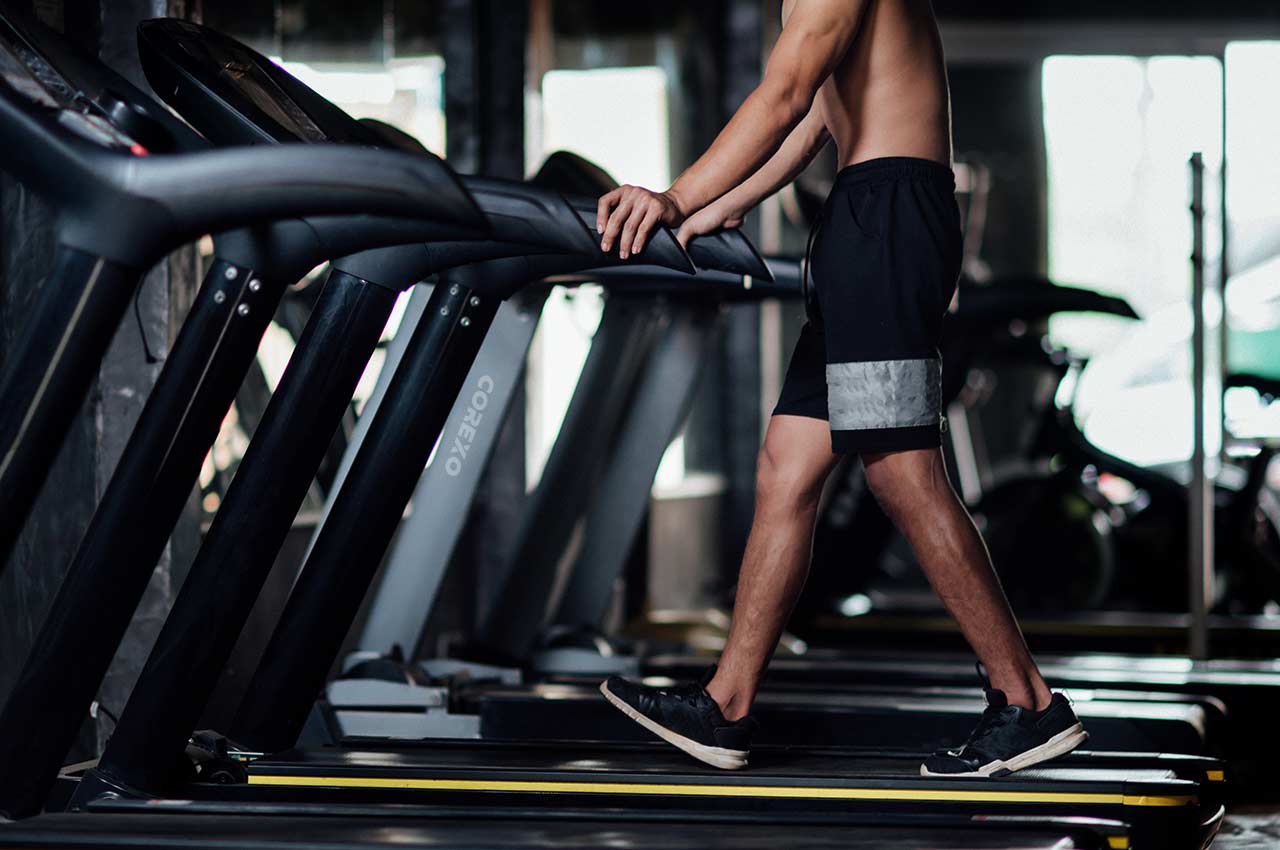
Build the Procurement Brief Around Facility Operations
Begin the commercial gym equipment procurement checklist with the facility type, target users, supervision model, expected operating hours, training activities, staffing, room availability, opening date, and approval process. Avoid starting with a machine count copied from another project.
Define the outcomes the equipment mix must support: general fitness, structured strength training, cardio capacity, small-group activity, rehabilitation only where appropriately managed, hotel guest use, employee wellness, or another clear program. State exclusions so suppliers do not fill gaps with unsuitable assumptions.
- Project scope, locations, and target opening date
- User groups and supervision arrangements
- Training zones and required equipment families
- Operating, cleaning, inspection, and service responsibilities
- Approval authority and required submission format
- Delivery, installation, training, and acceptance boundaries
The commercial gym equipment procurement checklist should distinguish essential requirements from preferences. A mandatory doorway constraint, electrical condition, accessibility obligation, or service document is different from a preferred color or optional accessory.
Verify the Building Before Selecting Equipment
A commercial gym equipment procurement checklist should capture measured room dimensions, ceiling height, doors, lifts, stairs, loading access, structural limits, floor finishes, moisture, ventilation, lighting, power, network needs, emergency routes, and operating restrictions. Use verified site information rather than relying only on drawings.
For powered equipment, record outlet locations, voltage, circuits, grounding, cable management, and responsibilities for electrical work. The OSHA electrical overview provides U.S. workplace context, while the actual project must follow applicable codes and qualified professional review.
Accessibility must be considered before equipment positions are fixed. The U.S. Access Board accessible-route standards describe route components under the ADA standards. Apply the requirements that govern the project and connect the commercial gym equipment procurement checklist to the commercial gym equipment accessibility checklist.
Use the commercial gym equipment layout guide to test circulation, adjustment space, storage, sightlines, cleaning access, and user flow. The commercial gym equipment procurement checklist should not approve quantities that cannot function safely in the available area.
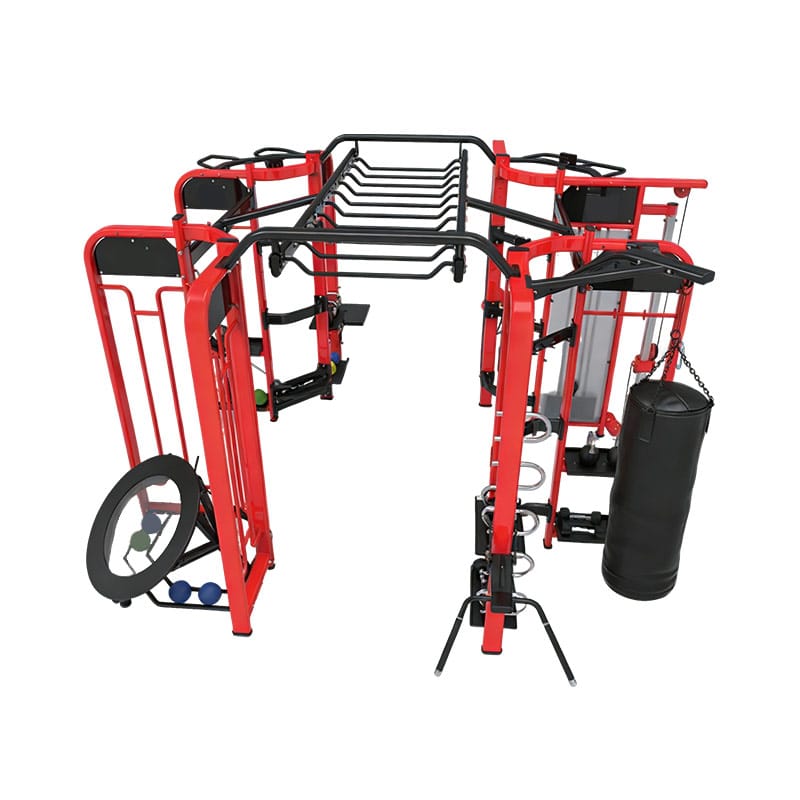
Define Equipment Requirements That Can Be Evaluated
For each equipment family, the commercial gym equipment procurement checklist should describe the intended users, training function, adjustment range, capacity relevant to the project, footprint, access needs, power, console functions, attachments, storage, upholstery, finish, documentation, and maintenance expectations.
Do not write specifications around unsupported superlatives. Use observable criteria and request evidence. Where a project references stationary training equipment standards, confirm the current edition and applicable part. The official ISO 20957-1:2024 page describes general safety requirements and test methods; other parts can modify requirements for particular equipment types.
| Requirement group | Procurement question | Evidence to request |
|---|---|---|
| Use case | Who will use the equipment and for what activity? | Model description and operating instructions |
| Site fit | Will it fit the room and delivery route? | Dimensions, weight, utility information |
| Operation | Can staff inspect, adjust, and clean it? | User and maintenance documentation |
| Project support | Who handles installation and open items? | Written scope and responsibility matrix |
Review the commercial aerobic equipment and strength training equipment categories to build a project-specific mix. The commercial gym equipment procurement checklist should explain why each category and quantity belongs in the plan.
Review Supplier Scope, Documentation, and Support
A commercial gym equipment procurement checklist should compare more than product descriptions. Request the legal supplier identity, quotation validity, model schedule, included accessories, exclusions, delivery terms, installation scope, site responsibilities, manuals, training, service route, parts process, warranty documents, and escalation contacts.
Read warranty terms before approval. Confirm who provides coverage, which components and uses are included, start date, duration, exclusions, required maintenance, claim process, labor and travel treatment, transfer conditions, and available remedies. The FTC Businessperson’s Guide to Federal Warranty Law offers U.S. context for consumer-product warranties, but commercial transactions and other jurisdictions may operate differently.
Keep written answers with the commercial gym equipment procurement checklist. Verbal statements about compatibility, performance, delivery, installation, warranty, or service should be clarified in the final documents before an approval decision.
Use the existing guide on choosing a commercial fitness equipment supplier to review long-term project fit. Procurement should assess communication, documentation, and responsibility as carefully as the equipment list.
Plan Delivery, Installation, Training, and Handover
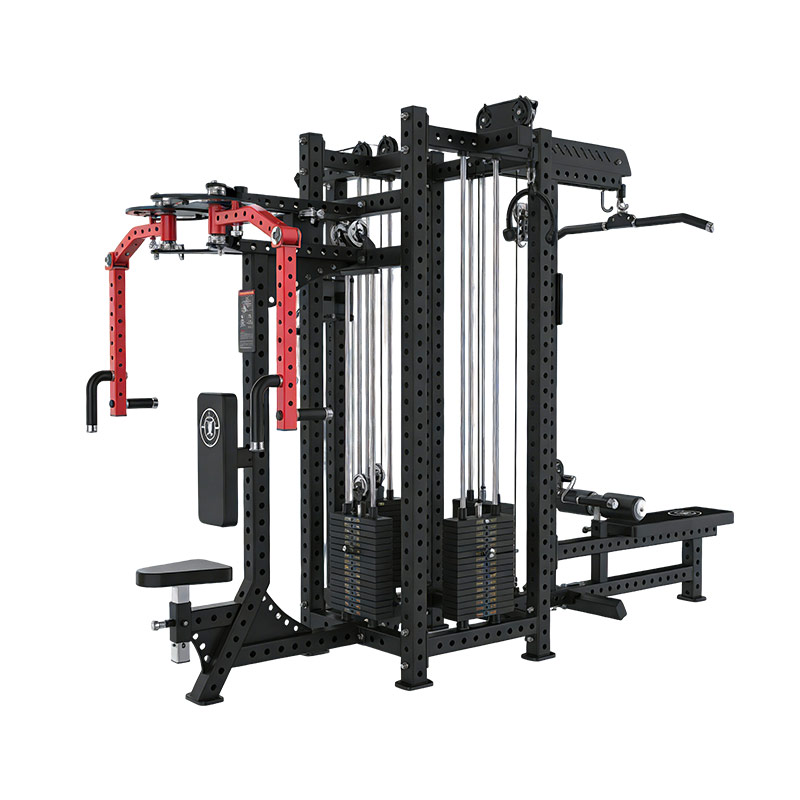
The commercial gym equipment procurement checklist should define what happens after the order. Confirm production or preparation milestones, shipping documents, delivery appointments, unloading, indoor movement, packaging removal, assembly, anchoring, electrical connection, testing, staff training, defects, and final acceptance.
Assign each activity to the owner, supplier, installer, building team, electrician, technician, or other qualified party. State what site readiness means and the consequences of inaccessible routes, unfinished floors, missing power, or late construction work.
Connect the commercial gym equipment procurement checklist to the commercial gym equipment handover checklist. Require an asset schedule, manuals, service information, training records, open-items register, functional checks, and acceptance authority before routine operation.
Plan maintenance and cleaning before opening. The maintenance checklist and cleaning checklist help buyers identify the documents, staff time, storage, and service arrangements required after handover.
Create a Traceable Evaluation and Approval Record
Use one commercial gym equipment procurement checklist for every compliant proposal. Score or classify evidence against the same mandatory requirements. Record clarification questions, exceptions, risks, owners, and approval conditions instead of changing criteria after bids arrive.
Separate compliance from preference. A proposal that fails a mandatory site, safety, documentation, or delivery requirement needs resolution before commercial comparison. Retain the reasons for selection and the documents incorporated into the final agreement.
The final commercial gym equipment procurement checklist should become part of the project control file. Transfer confirmed requirements to delivery, handover, training, maintenance, and asset-management teams so the buying decision remains usable after the order is placed.
Commercial Gym Equipment Procurement FAQ
Should buyers choose equipment before completing the layout?
No. Equipment selection and layout should be tested together against verified room, route, utility, access, storage, and operational requirements.
What evidence should a supplier provide?
Request model data, dimensions, utilities, instructions, maintenance information, warranty terms, scope boundaries, delivery requirements, and project contacts.
Is the lowest quotation automatically the best option?
No. Compare compliant scope, documentation, installation, service, risks, operating requirements, and contractual terms using the organization’s approved method.
Who should approve the equipment schedule?
Approval should include representatives responsible for operations, users, building conditions, accessibility, technical systems, finance, contracts, and project delivery as applicable.
When is procurement complete?
The commercial gym equipment procurement checklist should show that procurement approval is only one milestone. Delivery, installation, documentation, training, defect closure, and formal handover still require controlled completion.
Buy Against a Verified Project Brief
A commercial gym equipment procurement checklist creates a common basis for requirements, supplier evidence, site fit, support, delivery, and acceptance. It helps decision-makers resolve gaps before they become installation or operating problems.
Review the commercial gym equipment procurement checklist with every responsible department before approval. Explore Corexo commercial fitness equipment or contact Corexo to discuss documentation and equipment planning for a commercial project.