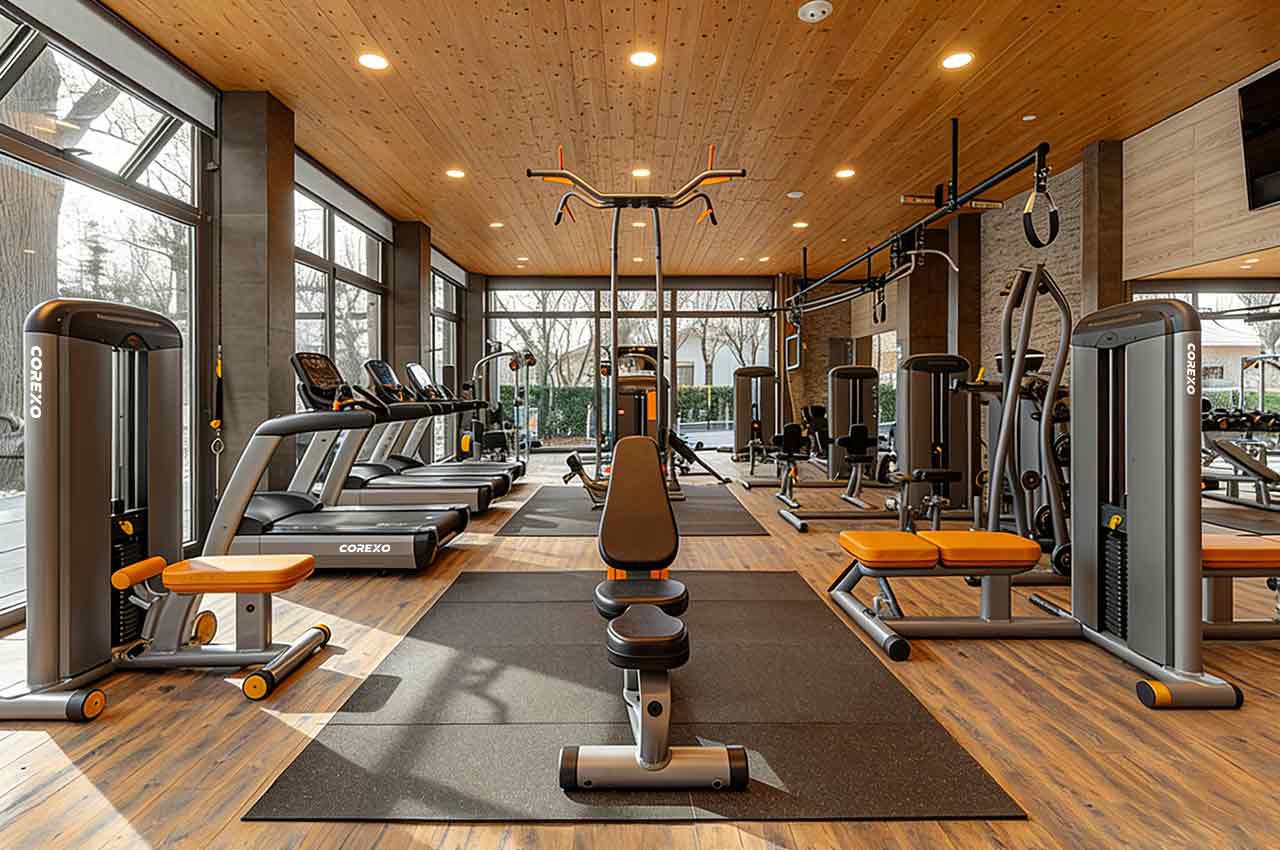
When it comes to outfitting your gym with high-quality equipment, a high performance treadmill should be at the top of your list. For fitness enthusiasts, a top-tier treadmill isn’t just a piece of equipment—it’s an investment in results, longevity, and client satisfaction. But with so many options on the market, how do you select the ideal treadmill for your specific needs?
In this comprehensive guide, we’ll break down the key factors to consider when choosing a commercial high performance treadmill, explore the differences between commercial and home gym models, and provide expert advice to help you make an informed decision. Whether you’re equipping a large fitness center, a boutique studio, or a corporate wellness facility, this guide will help you find the perfect treadmill to meet your requirements.
Table of Contents
Understanding High Performance Treadmills
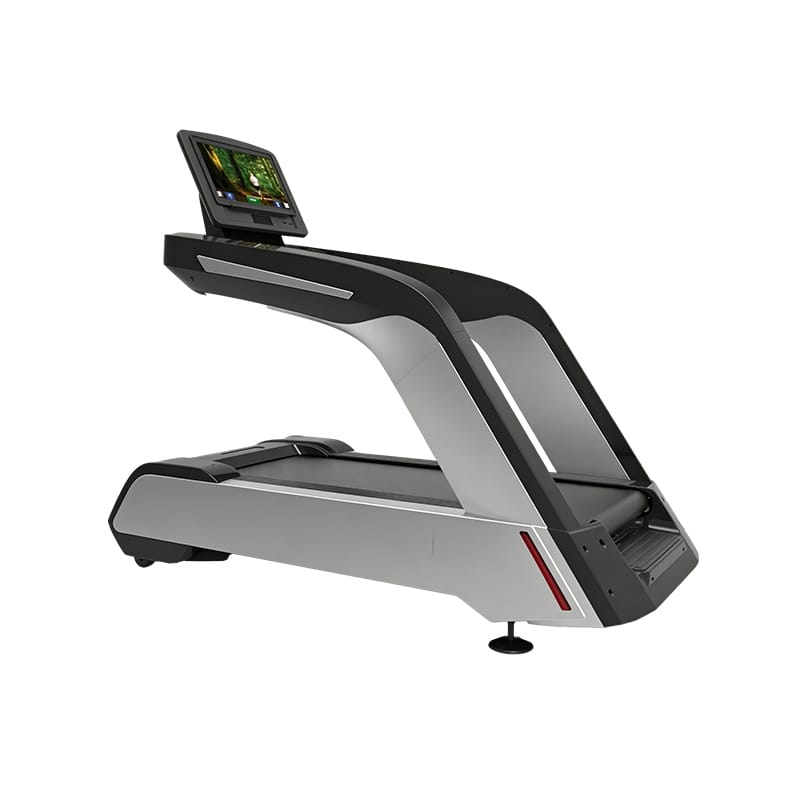
A high performance treadmill is more than just a machine for walking or running—it’s a sophisticated piece of fitness technology designed to deliver superior performance, durability, and user experience. These treadmills are built to withstand the rigors of commercial use, providing reliable operation even in high-traffic environments.
What Defines a High Performance Treadmill?
Several key features distinguish high performance treadmills from their standard counterparts:
- Speed range: Most high performance treadmills offer a speed range of 0-12 mph (0-19 km/h) or higher, allowing users to perform everything from leisurely walks to intense sprint workouts.
- Incline options: Advanced incline systems, ranging from -3% decline to +15% incline or more, allow users to simulate uphill and downhill running, targeting different muscle groups and increasing workout intensity.
- Motor power: High performance treadmills typically feature motors with at least 3.0 CHP (continuous horsepower) for smooth, consistent performance during extended workouts.
- Durability: Reinforced frames, heavy-duty components, and advanced engineering ensure these treadmills can withstand daily use by multiple users without compromising performance.
Differences Between Commercial and Home Gym Treadmills
While home gym treadmills may share some features with commercial models, there are several key differences to consider:
| Feature | Commercial Treadmill | Home Treadmill |
|---|---|---|
| Motor Power | 3.5+ HP industrial-grade motors designed for 24-hour continuous use | 1.5-3.0 HP motors suited for intermittent use |
| Weight Capacity | 180-200 kg (400-440 lbs) or higher to accommodate multiple users | 100-150 kg (220-330 lbs) for single-user, low-frequency use |
| Deck Size | 55-65 cm (22-26 inches) wide, 150-180 cm (59-71 inches) long | 40-50 cm (16-20 inches) wide, 100-120 cm (39-47 inches) long |
| Shock Absorption | Advanced multi-layer cushioning systems to protect joints during high-intensity workouts | Basic spring or silicone shock absorption |
| Features | Advanced consoles, heart rate monitoring, built-in workout programs, and connectivity options | Basic speed and incline controls, limited workout programs |
| Price | Higher initial cost but lower long-term maintenance and replacement costs | Lower initial cost but shorter lifespan |
| Space Requirements | Larger footprint, often non-foldable | Compact design with foldable options for space-saving |
Key Features to Look for in a High Performance Treadmill
When evaluating high performance treadmills for your gym, pay close attention to these critical features:
Motor Power and Speed Settings
The motor is the heart of any treadmill, and for commercial use, a powerful, reliable motor is essential. Look for treadmills with:
- AC motors: These industrial-grade motors offer superior durability and performance compared to DC motors, making them ideal for continuous use.
- High horsepower: Aim for motors with at least 3.5-4.0 CHP to ensure smooth, consistent performance even during intense workouts.
- Wide speed range: A speed range of 0-12 mph (0-19 km/h) or higher allows users to perform everything from brisk walks to all-out sprints.
Incline and Decline Functionality
Incline and decline settings are essential for creating varied, challenging workouts. Look for treadmills with:
- Adjustable incline: A range of at least 0-15% allows users to simulate uphill running, increasing calorie burn and targeting different muscle groups.
- Decline capability: Decline settings (down to -3% or more) allow users to simulate downhill running, adding variety to workouts and improving balance and coordination.
Heart Rate Monitoring and Health Tracking
Comprehensive health tracking features help users monitor their progress and stay motivated. Look for treadmills with:
- Integrated heart rate sensors: Handrail sensors or wireless chest strap compatibility allow users to monitor their heart rate in real-time.
- Performance metrics: Detailed displays showing speed, distance, time, calories burned, and other key metrics help users track their progress.
- Fitness app integration: Connectivity to popular fitness apps like Strava, Nike Run Club, or Apple Health allows users to sync their workout data and access additional training resources.
Belt Size and Cushioning System
The running surface is a critical component of any treadmill, affecting both user comfort and safety. Look for:
- Wide, long belt: A belt width of at least 55 cm (22 inches) and length of 150 cm (59 inches) provides ample space for users of all sizes to run comfortably.
- Advanced cushioning system: Multi-layer shock absorption technology reduces joint impact by up to 30% compared to running on hard surfaces, minimizing the risk of injury and increasing user comfort.
Integrated Touchscreen and Smart Connectivity
Modern treadmills offer a range of smart features to enhance the user experience. Look for models with:
- Large touchscreen displays: 15-inch or larger screens provide clear visibility of workout metrics and allow users to access entertainment options.
- Built-in entertainment: Streaming services, music playback, and virtual running routes can help keep users engaged during long workouts.
- Wireless connectivity: Wi-Fi and Bluetooth capabilities allow users to connect their devices, sync workout data, and access online training programs.
Choosing the Right Treadmill for Your Gym Space
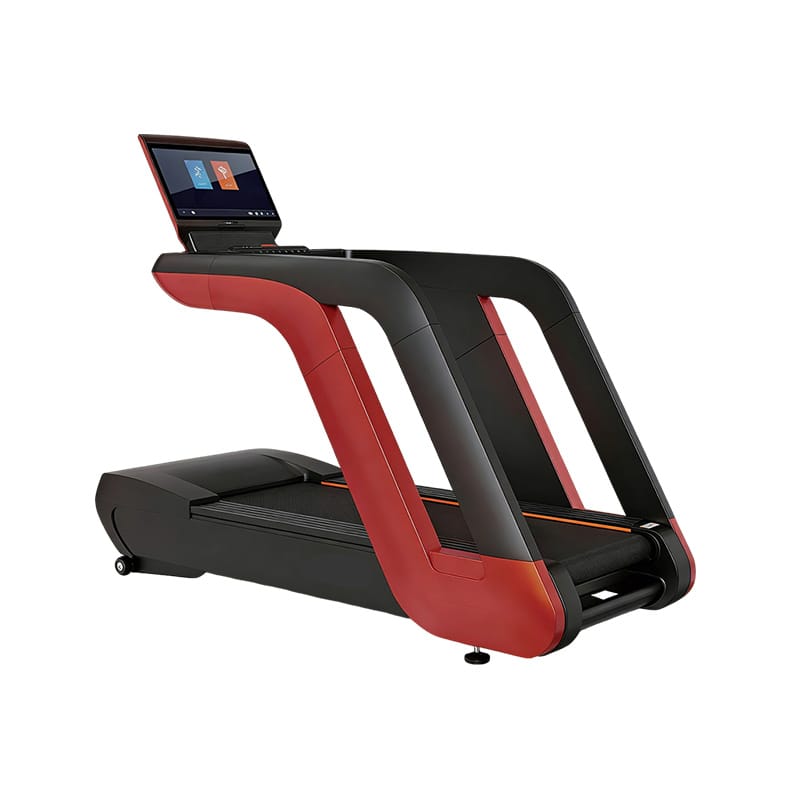
Before purchasing a high performance treadmill, carefully consider your gym’s space constraints and layout.
Floor Space and Treadmill Footprint
Measure the available space in your gym to ensure the treadmill fits comfortably while allowing for safe operation. Most commercial treadmills have a footprint of approximately 200 cm x 100 cm (6.5 ft x 3.2 ft), but this can vary by model.
Foldable Treadmill Options for Small Gyms
If space is limited, consider investing in foldable high performance treadmills. These models offer many of the same features as non-foldable treadmills but can be easily stored when not in use, making them ideal for small gyms or multi-purpose spaces.
Noise Levels and Vibration Considerations
Treadmill noise can be a concern in gym settings, particularly if your facility is located in a shared building or residential area. Look for treadmills with:
- Quiet operation: Advanced motor technology and sound-dampening materials help minimize noise during use.
- Vibration isolation: Built-in vibration reduction systems prevent noise and movement from affecting adjacent equipment or floors.
Comparing Treadmill Types for Performance and Budget
When selecting a high performance treadmill, it’s important to balance your performance needs with your budget.
High Performance Treadmill vs Standard Treadmill
While standard treadmills may be more affordable initially, high performance models offer several key benefits:
- Longevity: High performance treadmills are built to withstand heavy, continuous use, reducing long-term replacement costs.
- Advanced features: Premium models offer more workout programs, connectivity options, and customization features to enhance user experience.
- Durability: Reinforced frames and heavy-duty components ensure these treadmills maintain performance even after years of use.
Foldable vs Commercial Treadmill Pros and Cons
| Type | Pros | Cons |
|---|---|---|
| Foldable Treadmill | Space-saving design, lower initial cost, easy to move and store | Smaller deck size, reduced motor power, less durable for high-traffic use |
| Commercial Treadmill | Superior durability, advanced features, larger deck size | Higher initial cost, larger footprint, not easily moved or stored |
Price vs Features: Finding the Best Value
When evaluating treadmills, consider both the initial purchase price and the long-term cost of ownership. While high-end models may require a larger upfront investment, they often offer better durability, performance, and features that can help you attract and retain gym members.
Benefits of Using a High Performance Treadmill
Investing in high performance treadmills offers numerous benefits for both gym owners and members.
Enhanced Cardiovascular Health
Treadmill workouts are an effective way to improve cardiovascular health, increasing heart rate, improving blood circulation, and strengthening the heart muscle over time.
Weight Loss and Fat Burning
Running or walking on a high performance treadmill at an incline can significantly increase calorie burn compared to outdoor workouts, making it an efficient way to support weight loss and fat burning goals.
Strengthening Muscles and Joints
The advanced cushioning systems on high performance treadmills reduce joint impact while still allowing users to engage their leg muscles effectively, making it an ideal option for users with joint issues or those looking to prevent injury.
Versatile Workouts: Interval, Endurance, Speed Training
With customizable speed and incline settings, high performance treadmills allow users to perform a wide range of workouts, including:
- Interval training: Alternating between high-intensity sprints and low-intensity recovery periods
- Endurance training: Maintaining a consistent pace for extended periods to build stamina
- Speed training: Running at maximum speed to improve overall velocity and sprint performance
Treadmill Workouts for Different Fitness Goals
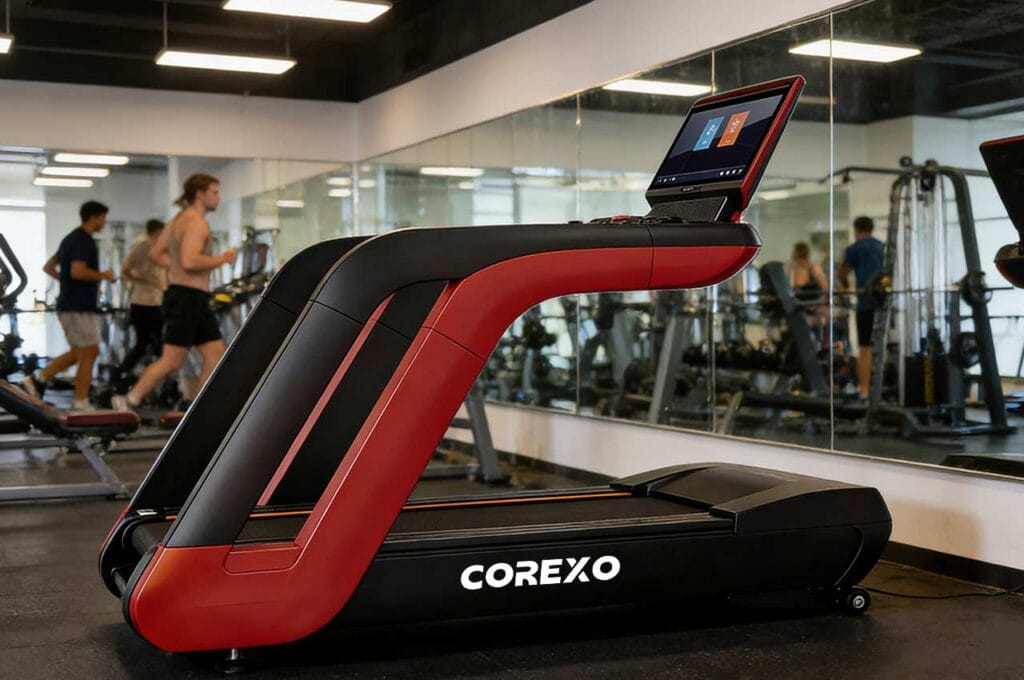
High performance treadmills can be adapted to support various fitness goals, making them a versatile addition to any gym.
Beginner Workout Plans
For new users, start with simple, low-impact workouts to build endurance and confidence:
- Brisk walking: 30 minutes at 3-4 mph (4.8-6.4 km/h) with a 0% incline
- Interval walking: Alternating 2 minutes of walking at 4 mph (6.4 km/h) with 1 minute of slower walking at 2.5 mph (4.0 km/h)
- Gradual incline increase: Starting at 0% incline and increasing by 1% every 5 minutes, up to a maximum of 10%
Advanced Training for Athletes
For experienced users and athletes, high performance treadmills offer advanced training options:
- Sprint intervals: 30 seconds of all-out sprinting at 10-12 mph (16-19 km/h) followed by 90 seconds of slow jogging at 4 mph (6.4 km/h)
- Hill repeats: Running at 6-8 mph (9.7-12.9 km/h) with a 10-15% incline for 2 minutes, followed by 1 minute of recovery at 3 mph (4.8 km/h) with a 0% incline
- Decline training: Running at 8-10 mph (12.9-16.1 km/h) with a -3% decline to target different muscle groups and improve running mechanics
Weight Loss and Fat Burning Routines
Treadmill workouts are highly effective for weight loss and fat burning:
- Steady-state cardio: 45-60 minutes of moderate-intensity running at 6-7 mph (9.7-11.3 km/h) with a 2-5% incline
- High-intensity interval training (HIIT) : 20 minutes of alternating 30 seconds of sprinting at 10 mph (16.1 km/h) with 30 seconds of walking at 3 mph (4.8 km/h)
- Incline walking: 30 minutes of brisk walking at 3.5-4 mph (5.6-6.4 km/h) with a 10-12% incline
Marathon and Endurance Training Programs
For long-distance runners preparing for marathons or other endurance events:
- Progressive long runs: Gradually increasing the duration of runs from 60 minutes to 120+ minutes at a moderate pace
- Pace runs: Maintaining a consistent target pace for 30-60 minutes to build endurance and race-day readiness
- Recovery runs: Light jogging at 4-5 mph (6.4-8.0 km/h) for 20-30 minutes to aid in recovery between intense training sessions
Maintenance Tips for Long-Lasting Performance
Proper maintenance is essential to ensure your high performance treadmills remain in optimal condition and provide reliable service for years to come.
Regular Lubrication and Belt Care
- Lubricate the belt: Apply silicone lubricant to the running deck every 200-300 hours of use or every 3-6 months to reduce friction and wear.
- Clean the belt: Wipe down the belt and deck after each use to remove sweat, dust, and debris that can damage the machine.
- Check belt tension: Regularly inspect the belt for proper tension and alignment to prevent slipping and ensure smooth operation.
Motor and Electronics Inspection
- Monitor motor performance: Listen for unusual noises or vibrations that may indicate motor issues, and have a technician inspect the motor annually.
- Clean the motor compartment: Remove dust and debris from the motor compartment every 6-12 months to prevent overheating and extend motor life.
- Check connections: Ensure all electrical connections are secure and free of corrosion to prevent electrical issues.
Cleaning and Dust Prevention
- Wipe down surfaces: Regularly clean the console, handrails, and frame with a mild detergent and water to remove sweat and dirt.
- Use a treadmill mat: Place a rubber or foam mat under the treadmill to reduce vibration, protect floors, and prevent dust from being drawn into the motor compartment.
- Cover when not in use: If treadmills are stored for extended periods, cover them to protect against dust and moisture damage.
Safety Checks and Proper Usage Guidelines
- Inspect safety features: Regularly check the emergency stop button, safety key, and handrails to ensure they are functioning correctly.
- Provide usage instructions: Post clear instructions for proper treadmill use, including safety procedures and maintenance guidelines, to help users operate the machine correctly.
- Perform regular safety audits: Conduct monthly inspections to identify and address any safety hazards or maintenance issues before they become problems.
How to Select a Reliable High Performance Treadmill Manufacturer
Choosing a reputable manufacturer is critical to ensuring you get a high-quality, reliable treadmill that meets your needs.
Manufacturer Reputation and Experience
- Research the brand: Look for manufacturers with a proven track record of producing high-quality fitness equipment and a strong reputation for reliability and customer satisfaction.
- Consider experience: Manufacturers with decades of experience in the fitness industry are more likely to have the expertise and resources to produce durable, high-performance treadmills.
- Read reviews: Check online reviews and testimonials from other gym owners to get an idea of the manufacturer’s products and customer service.
Warranty and After-sales Support
- Look for comprehensive warranties: A strong warranty is a sign of manufacturer confidence in their product. Look for warranties that cover parts and labor for at least 1-2 years, with extended coverage for major components like the motor and frame.
- Consider after-sales service: Choose a manufacturer that offers prompt, reliable after-sales support, including technical assistance, replacement parts, and on-site maintenance services.
- Ask about service network: Ensure the manufacturer has a network of authorized service providers in your area to provide timely maintenance and repairs when needed.
Customization Options for Gyms and Fitness Centers
- Brand customization: Some manufacturers offer custom branding options, allowing you to add your gym’s logo to the treadmill console, frame, or other components.
- Feature customization: Look for manufacturers that offer customizable features, such as specific workout programs, console options, or accessories, to tailor the treadmill to your gym’s unique needs.
- Bulk purchase discounts: Many manufacturers offer discounts or special pricing for gyms purchasing multiple treadmills or fitness equipment packages.
Reviews and Testimonials from Other Gym Owners
- Reach out to other gym owners: Ask fellow fitness professionals about their experiences with different treadmill manufacturers and models.
- Visit fitness facilities: Tour other gyms or fitness centers to see how they’ve equipped their facilities and ask about their treadmill choices.
- Check industry awards: Look for manufacturers that have received industry awards or recognition for their treadmill products, as this can be a sign of quality and innovation.
Additional Considerations Before Making a Purchase
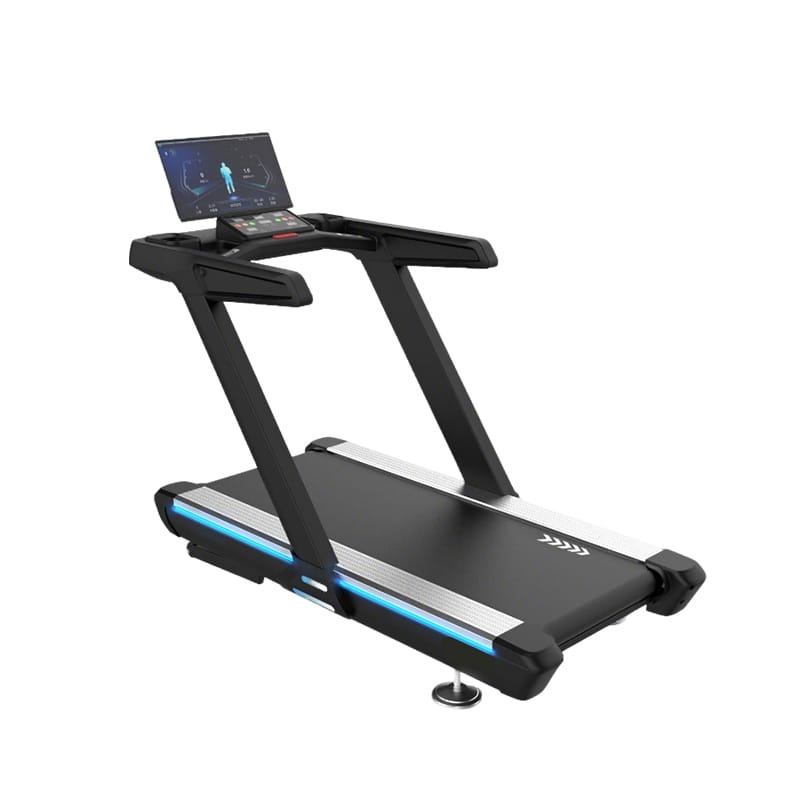
Before finalizing your purchase, take these additional factors into account to ensure you’re making the best decision for your gym.
Budget planning and ROI for gyms
- Calculate total cost of ownership: Consider not just the initial purchase price but also ongoing costs like maintenance, repairs, and replacement parts.
- Estimate ROI: Determine how much revenue a high performance treadmill can generate by attracting and retaining members, and compare it to the cost of the machine.
- Explore financing options: Many manufacturers offer financing or leasing options to help you spread the cost of your treadmill purchase over time.
Warranty, service, and parts availability
- Understand warranty coverage: Carefully review the terms of the warranty to understand what’s covered and what’s not, and for how long.
- Check service availability: Ensure the manufacturer or authorized service providers are available to provide maintenance and repairs when needed.
- Verify parts availability: Confirm that replacement parts are readily available to minimize downtime in case of component failure.
Optional accessories: tablet holders, treadmill mats, heart rate monitors
- Enhance user experience: Consider purchasing accessories like tablet holders, treadmill mats, or heart rate monitors to improve the user experience and extend the life of your treadmills.
- Protect your investment: A high-quality treadmill mat can help reduce vibration, protect floors, and prevent dust and debris from entering the machine.
- Offer added value: Providing accessories like heart rate monitors or tablet holders can help differentiate your gym and attract new members.
Energy efficiency and long-term cost savings
- Choose energy-efficient models: Look for treadmills with energy-saving features like automatic power-off, efficient motors, and low-power displays to reduce long-term energy costs.
- Calculate savings: Estimate how much you can save on electricity bills by choosing energy-efficient models compared to standard treadmills.
- Consider sustainability: For eco-conscious gyms, choosing energy-efficient treadmills can help reduce your facility’s carbon footprint and appeal to environmentally aware members.
Conclusion
Choosing the perfect high performance treadmill for your gym is a critical decision that can impact your facility’s success for years to come. By carefully evaluating your needs, considering key features like motor power, deck size, and durability, and selecting a reputable manufacturer, you can find a treadmill that delivers exceptional performance, reliability, and user experience.
Investing in high quality treadmills isn’t just about acquiring equipment—it’s about providing your members with the tools they need to achieve their fitness goals, improving customer satisfaction and retention, and positioning your gym as a leader in the industry.
If you’re ready to elevate your gym’s cardio offerings and invest in high performance treadmills, our team of fitness equipment experts is here to help. Contact us today to discuss your needs, explore our range of commercial treadmills, and discover how we can help you create a fitness facility that stands out from the competition.
FAQ
What’s the minimum motor power I should look for in a high performance treadmill?
For commercial gym use, you’ll need at least 3.5-4.0 continuous horsepower (CHP) to handle heavy daily usage. Lower-powered motors from home treadmills will overheat and fail under constant commercial demands, so always choose industrial-grade AC motors designed for 24-hour operation.
How often should I lubricate my commercial treadmill belt?
Apply silicone lubricant every 200-300 hours of use or every 3-6 months, whichever comes first. Regular lubrication reduces friction, prevents belt wear, and extends your treadmill’s lifespan significantly. Always use the manufacturer-recommended lubricant type for best results.
What’s the ideal running surface size for a commercial treadmill?
Aim for a belt width of at least 22 inches (55 cm) and length of 60 inches (150 cm) to accommodate users of all sizes safely. This provides adequate space for natural running gaits, reduces the risk of stepping off during intense workouts, and ensures comfortable movement for taller individuals.
Can I use home treadmills in a commercial gym setting?
No, home treadmills aren’t built for continuous commercial use. They typically have lower weight capacities (150 kg vs 200+ kg for commercial models), less durable motors, and warranties that become void when used in commercial facilities. Commercial treadmills offer better ROI through longer lifespan and fewer breakdowns.