Table of Contents
What Is an Elliptical Trainer Exercise Bike?
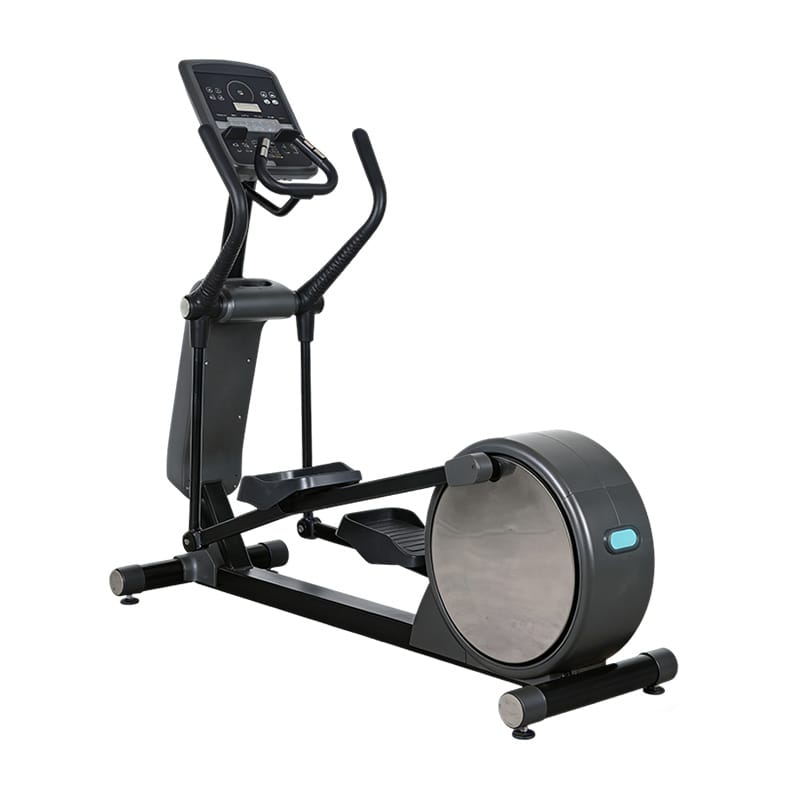
An elliptical trainer exercise bike, also known as a cross-trainer, is a stationary fitness machine that combines elements of walking, running, and stair-climbing into one low-impact workout. Unlike traditional exercise bikes that focus primarily on lower-body movement, elliptical trainers engage both your upper and lower body through synchronized arm and leg motions.
What sets elliptical trainer exercise bikes apart from conventional equipment? Traditional stationary bikes keep you seated with a focus on leg muscles, while treadmills provide high-impact cardio that can stress joints. Elliptical trainers deliver a smooth, gliding motion that keeps your feet planted on pedals throughout the entire movement cycle. This design eliminates the jarring impact associated with running while still delivering an effective full-body workout.
Modern elliptical trainers have evolved significantly, incorporating advanced features like adjustable resistance, built-in workout programs, and smart connectivity options. They’re particularly valuable for users seeking joint-friendly exercise without sacrificing workout intensity or calorie-burning potential.
Benefits of Using an Elliptical Trainer Exercise Bike
The advantages of elliptical training extend far beyond basic cardio. Here’s what makes these machines stand out:
Cardiovascular Health Improvements
Regular elliptical workouts strengthen your heart and lungs, enhancing overall cardiovascular endurance. Research shows that consistent elliptical training can improve VO2 max—the maximum amount of oxygen your body can utilize during exercise—by up to 11% over 12 weeks. This improvement rivals the cardiovascular benefits of running, making ellipticals an excellent choice for heart health.
Low-Impact Workouts for Joints
Perhaps the most celebrated benefit is the gentle nature of elliptical movement. Studies indicate that elliptical trainers reduce knee joint loading by 58% compared to treadmill running. Your feet never leave the pedals, eliminating the repetitive impact that can worsen arthritis or cause joint pain. This makes ellipticals ideal for rehabilitation, seniors, or anyone with joint concerns who still wants effective cardio training.
Muscle Toning and Calorie Burning
Don’t mistake “low impact” for low intensity. Elliptical trainers engage approximately 80% of your major muscle groups simultaneously. By incorporating moving handlebars, you work your chest, back, arms, and shoulders while your legs power the movement. A 30-minute session can burn between 270-400 calories depending on your weight and intensity level—comparable to jogging but with significantly less perceived exertion.
The ability to pedal in reverse targets different muscle groups, particularly hamstrings and glutes, while adjustable incline settings let you emphasize specific areas. This versatility supports comprehensive muscle toning and prevents workout monotony.
Key Features to Consider Before Buying
Selecting the right elliptical trainer exercise bike requires understanding several critical specifications that affect performance, comfort, and long-term satisfaction.
Resistance Levels and Adjustable Intensity
Quality ellipticals offer multiple resistance levels, typically ranging from 8 to 32 options. Magnetic resistance systems provide smooth, quiet adjustments and precise control. Higher-end models feature electromagnetic resistance that enables digital control through console presets. This range allows beginners to start gently and progressively increase intensity as fitness improves.
Built-in Workout Programs and Tracking Options
Look for machines with pre-programmed workouts targeting different goals—weight loss, cardio intervals, hill climbs, or custom routines. Advanced models connect to fitness apps and virtual training platforms like iFIT, Peloton, or Zwift. These programs automatically adjust resistance and incline based on trainer guidance, creating immersive, coach-led experiences that maintain motivation.
Heart Rate Monitors and Fitness Tracking Capabilities
Integrated heart rate monitoring is essential for safe, effective training. Many models include contact sensors on handlebars, while premium versions support chest strap connectivity for continuous, accurate readings. This data helps you maintain your target heart rate zone—whether fat-burning (60-70% max HR) or cardio conditioning (70-85% max HR). Tracking metrics like calories burned, distance, time, and stride rate provide valuable feedback for progress assessment.
Flywheel Weight and Smoothness of Motion
The flywheel is the heart of any elliptical machine. Heavier flywheels (typically 13-22 pounds for home models) provide smoother, more consistent momentum that feels more natural. However, extremely heavy flywheels can make machines difficult to move. Look for balanced designs that maintain smooth operation throughout the entire stride cycle. Rear-drive systems generally offer the most natural, running-like motion, while front-drive models tend to be more compact and affordable.
Size and Footprint of the Machine
Elliptical dimensions vary significantly. Standard models measure approximately 70-85 inches long, 25-30 inches wide, and 60-70 inches tall. Compact versions can reduce length to 50-60 inches, while folding models store vertically to save space. Always measure your intended placement area, accounting not just for the machine’s footprint but also clearance for safe mounting and dismounting—typically an additional 12-18 inches around all sides.
Space-Saving Considerations
Limited floor space doesn’t mean sacrificing workout quality. Modern elliptical designs offer innovative solutions for apartments and smaller homes.
Compact Elliptical Trainer Exercise Bikes for Small Apartments
Manufacturers have developed space-efficient models that deliver full functionality in smaller packages. These compact ellipticals typically feature shortened stride lengths (14-16 inches), lighter flywheels (10-15 pounds), and streamlined console designs. While they may not accommodate taller users as comfortably, they provide excellent workouts for average-height individuals and significantly reduce floor space requirements.
Look for models with front-drive systems, which naturally occupy less room than rear-drive alternatives. Some designs incorporate vertical orientation, mimicking stepper movement while maintaining elliptical benefits. The BowFlex Max Trainer series exemplifies this approach, taking up less than half the footprint of traditional ellipticals while still delivering effective full-body training.
Foldable Designs for Easy Storage
Folding ellipticals represent a game-changer for space-conscious buyers. These machines feature hinged frames that allow you to collapse the unit against a wall or into a corner when not in use. NordicTrack’s SpaceSaver line and Sunny Health & Fitness models offer robust folding mechanisms that maintain stability during workouts but reduce storage footprint by up to 40%.
When considering folding designs, prioritize smooth folding mechanisms with secure locking systems. Ensure the collapsed dimensions fit your available storage space, and verify that the machine can be easily moved—transport wheels are virtually essential for foldable models. Some advanced designs even offer hydraulic assistance to make folding and unfolding effortless.
Placement Tips for Home Gyms
Proper placement maximizes both workout effectiveness and living space utility. Consider these factors when positioning your elliptical trainer exercise bike:
Avoiding Vibration and Noise Disturbance
Even quiet ellipticals can transmit vibration to floors, especially on upper levels of multi-story homes. Place equipment on rubber mats or interlocking foam tiles to dampen vibration and protect flooring. Magnetic resistance systems operate silently, making them ideal for apartments or shared living situations. If possible, position the machine near load-bearing walls rather than in the center of rooms to minimize structural vibration.
Ensuring Enough Clearance for Safe Movement
Allow adequate space around your elliptical for safe mounting and dismounting. At minimum, provide 12 inches of clearance on all sides, though 18-24 inches is preferable for comfort. Consider ceiling height—especially for taller users or models with high handlebars. If you plan to use entertainment systems or streaming devices during workouts, position your elliptical within easy reach of outlets and with clear visibility of screens.
Account for ventilation needs. Ellipticals generate heat during use, particularly models with electromagnetic resistance systems. Avoid placing machines directly against walls or in confined spaces that restrict airflow. Proper positioning not only ensures safety but also extends equipment longevity by preventing overheating.
Choosing Based on Fitness Goals
Your specific objectives should guide elliptical selection, as different features and settings optimize results for various goals.
Weight Loss and Fat-Burning Workouts
For maximum calorie burning, prioritize ellipticals with extensive resistance ranges and programmable interval workouts. HIIT (High-Intensity Interval Training) capabilities are particularly valuable—look for models with quick-adjust resistance controls that allow seamless transitions between high and low intensity. Research shows that elliptical HIIT workouts can burn 500-700 calories per hour while producing the “afterburn effect,” where your body continues burning calories at an elevated rate post-workout.
Incline features significantly enhance fat-burning potential. Adjustable ramp angles (typically 10-35 degrees) simulate hill climbing, increasing muscle engagement and caloric expenditure. Models with both incline and decline capabilities offer even greater variety, allowing you to target different muscle groups while maintaining elevated heart rates.
Cardio-Focused Training Routines
If improving cardiovascular endurance is your primary goal, consider ellipticals with precise heart rate monitoring and smart features that automatically adjust intensity to maintain your target zone. This “cardio cruise control” ensures optimal training stimulus without manual adjustments—particularly valuable during longer sessions.
Look for machines with extensive preset cardio programs targeting different heart rate zones and endurance goals. Some premium models offer virtual training experiences with coach-led classes that adjust resistance in real-time based on your performance metrics. These interactive features maintain engagement during extended cardio sessions, which is crucial for consistent training.
Strength and Endurance Building
For users seeking muscle development alongside cardio, prioritize ellipticals with higher maximum resistance levels and adjustable stride lengths. Greater resistance allows for strength-focused training, while stride adjustability accommodates different body types and movement patterns. Some advanced models offer independent arm resistance, enabling upper-body isolation exercises.
Consider machines with robust construction supporting heavier user weights—typically 300+ pounds capacity. These models generally feature sturdier frames and heavier flywheels that maintain smooth operation even under high resistance. The combination of challenging resistance and full-body movement creates effective strength-building stimulus without joint impact.
Low-Impact Exercise for Seniors or Rehabilitation
For older adults or those recovering from injuries, prioritize stability, ease of use, and gentle movement patterns. Look for models with lower step-up heights, wide cushioned pedals, and intuitive controls. Heart rate monitoring is essential for safe training, and some models include emergency stop features or safety attachments for added protection.
Ellipticals with stationary handlebars alongside moving ones provide versatility—users can progress from supported to unsupported movement as balance and confidence improve. Resistance systems with smooth transitions prevent jarring changes that could cause instability. Compact models with shorter stride lengths may be more comfortable for users with limited range of motion.
Comparing Elliptical Trainer Exercise Bikes and Other Equipment
Understanding how ellipticals compare to other popular cardio equipment helps make informed purchasing decisions.
Elliptical vs Stationary Bike
The fundamental difference lies in muscle engagement and movement pattern. Stationary bikes provide a focused lower-body workout targeting quads, hamstrings, glutes, and calves. Ellipticals engage 80% of major muscle groups, including arms, shoulders, chest, and back through moving handlebars. This broader muscle activation translates to higher calorie expenditure during elliptical workouts—approximately 25-30% more than stationary bikes at similar intensities.
| Feature | Elliptical Trainer | Stationary Bike |
|---|---|---|
| Calorie Burn (30 min) | 324-400 calories | 252-378 calories |
| Muscle Engagement | Full body (upper & lower) | Primarily lower body |
| Joint Impact | Very low | Very low |
| Weight-Bearing | Partial | None (seated) |
| Learning Curve | Easy | Very easy |
| Space Requirement | Larger | Compact |
| Best For | Full-body conditioning | Leg-focused cardio |
Stationary bikes excel for cycling-specific training and offer advantages in comfort for extended sessions. The seated position allows reading or entertainment use during workouts. However, for overall conditioning and calorie efficiency, ellipticals provide superior benefits, particularly for users seeking comprehensive fitness improvements.
Elliptical vs Treadmill
The choice between ellipticals and treadmills often comes down to impact versus specificity. Treadmills deliver high-impact cardio that can strengthen bones through weight-bearing exercise—important for osteoporosis prevention. However, this impact also increases stress on joints, making treadmills less suitable for those with arthritis, injuries, or significant weight concerns.
Ellipticals provide comparable cardiovascular benefits with 60-70% less joint stress. They’re particularly valuable for users seeking sustainable, long-term cardio routines without the wear-and-tear associated with running. While treadmills better prepare users for outdoor running, ellipticals offer more variety through incline/decline options and reverse pedaling capabilities.
Recumbent Bike vs Upright Elliptical Trainer Exercise Bike
Recumbent bikes feature a reclined, seated position with excellent back support, making them ideal for users with lower back issues or balance concerns. They provide gentle, comfortable workouts but limit calorie expenditure and muscle engagement compared to upright ellipticals.
Upright elliptical trainers offer superior cardiovascular conditioning and caloric burn while still maintaining joint-friendly movement. The standing position promotes better core engagement and functional movement patterns. For users without specific balance or back issues, ellipticals deliver more comprehensive fitness benefits in similar floor space.
Durability and Build Quality
Investment in quality equipment pays dividends in longevity, performance, and user satisfaction over time.
Materials and Frame Strength
High-quality ellipticals feature heavy-gauge steel frames (typically 14-16 gauge) that provide stability during intense workouts. The frame’s weight capacity offers a good indicator of build quality—machines supporting 300+ pounds generally feature superior construction. Look for welded joints rather than bolted connections, as welding creates stronger, more durable assemblies that resist loosening over time.
Premium models incorporate aircraft-grade aluminum components for moving parts, reducing weight without sacrificing strength. Powder-coated finishes resist rust and scratching, maintaining appearance through years of use. When evaluating frame quality, pay attention to stabilizer bar design—front and rear stabilizers should be substantial with wide footprints to prevent wobbling during vigorous use.
Longevity of Moving Parts (Rollers, Pedals, and Bearings)
The smoothness of elliptical motion depends heavily on component quality. High-quality sealed bearings in pulley systems and pedal assemblies provide long-lasting, maintenance-free operation. Look for bronze or stainless steel bushings rather than plastic components that wear more quickly.
Roller systems should feature heavy-duty wheels with sealed bearings running on polished steel tracks. Cheaper models often use plastic rollers on nylon tracks that degrade faster, causing noisy, rough operation. Pedal construction matters too—aluminum or reinforced nylon pedals outperform thin steel plates that may flex under load.
Manufacturer Insights: How We Ensure High-Quality Production
As manufacturers committed to excellence, we implement rigorous quality control throughout production processes. Our elliptical trainer exercise bikes undergo stress testing simulating years of use, ensuring components meet durability standards before leaving the factory. We source materials from certified suppliers and conduct batch testing to verify specifications match design requirements.
Our assembly process incorporates torque specifications for all fasteners, preventing loose components that cause rattling or failure. Final testing includes calibration of resistance systems, verification of electronic accuracy, and assessment of stride smoothness across all resistance levels. This comprehensive approach ensures every machine delivers consistent, reliable performance throughout its lifespan.
Warranty and Maintenance Considerations
Warranty coverage reflects manufacturer confidence in product durability. Quality ellipticals typically offer lifetime frame warranties, 3-5 years on parts, and 1-2 years on labor. Extended warranties on moving parts like resistance systems and drive assemblies indicate premium construction.
Maintenance requirements vary by design. Magnetic resistance systems require minimal maintenance, while belt-driven models may need periodic tension adjustments. Look for accessible service points that allow DIY maintenance without disassembly. Some models feature self-lubricating components that reduce maintenance needs—particularly valuable for home users without technical expertise.
Technology and Smart Features
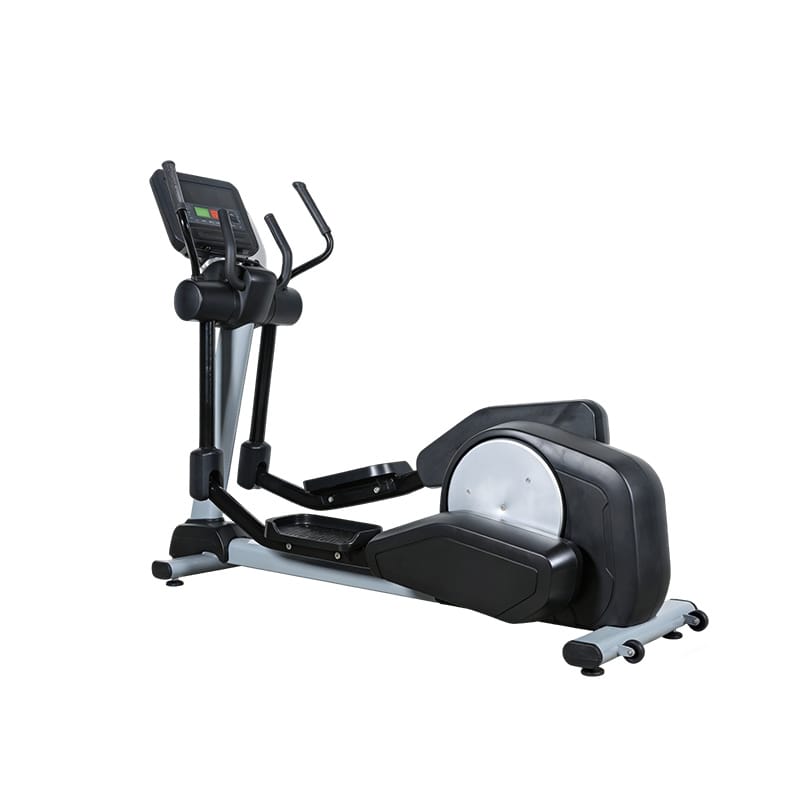
Modern ellipticals integrate advanced technology that enhances workout effectiveness, motivation, and data tracking.
Interactive Screens and Virtual Workouts
Touchscreen displays ranging from 7-16 inches provide intuitive control and immersive training experiences. Premium models feature high-definition displays with swipe navigation, comparable to tablets in responsiveness. These screens serve as portals to virtual training platforms that offer global route rides, studio classes, and scenic workouts—keeping users engaged through variety and professional instruction.
The most advanced systems include Google Maps integration that displays real-world terrain with matching incline and resistance adjustments. This technology transforms indoor training into adventures that rival outdoor experiences in engagement while maintaining climate-controlled comfort and safety.
Connectivity with Apps and Wearable Devices
Bluetooth and Wi-Fi connectivity enable seamless integration with fitness apps and wearable devices. Popular platforms like iFIT, Peloton, Zwift, and Apple Fitness+ offer extensive libraries of trainer-led workouts that automatically adjust machine resistance based on session demands. This smart integration creates coach-like guidance without the expense of personal training sessions.
Wearable device connectivity allows continuous heart rate monitoring through chest straps or smartwatches, providing more accurate data than built-in contact sensors. Some systems sync workout data automatically to cloud-based platforms, creating comprehensive fitness records that track progress over time and inform training decisions.
Tracking Calories, Heart Rate, and Workout History
Advanced monitoring systems provide detailed workout analytics beyond basic metrics. Calorie calculations account for resistance level, speed, incline, and user biometrics for improved accuracy. Heart rate tracking includes zone indicators showing target range achievement time, helping users optimize training stimulus.
Workout history storage allows performance comparison over time, identifying trends and progress. Some systems offer goal-setting features with notifications when milestones are achieved, providing motivation through tangible recognition of improvement. The most sophisticated platforms include AI coaching that analyzes data and suggests personalized workout adjustments based on individual response patterns.
Entertainment Options (Music, Video, Streaming)
Entertainment integration transforms workouts from chores to enjoyable activities. Built-in speakers with Bluetooth connectivity allow streaming music or podcasts without headphones, while some models feature headphone jacks for private listening. Screen connectivity options enable viewing of shows, movies, or social media during extended cardio sessions.
Streaming services integration takes entertainment further—systems like Peloton Beyond offer on-demand entertainment synced to workout intensity, creating immersive experiences that make time fly. For users who prefer traditional media, magazine racks and device holders accommodate reading or tablet use, supporting multi-tasking during steady-state cardio sessions.
Budget and Value Considerations
Price ranges reflect significant differences in features, durability, and user experience. Understanding what you’re paying for helps make smart investment decisions.
Price Range for Different Types of Elliptical Trainer Exercise Bikes
Ellipticals span a wide price spectrum:
Entry-Level ($500-$1,000) : Basic models with limited resistance (8-12 levels), simple LCD displays, and manual adjustments. These machines suit occasional users or those with minimal requirements but may lack durability for regular use.
Mid-Range ($1,000-$2,500) : Quality home models featuring 16-24 resistance levels, backlit displays, preset programs, and better construction. Magnetic resistance systems provide smooth operation, and frames support heavier users. This category offers the best value for most home users.
Premium ($2,500-$5,000+) : Commercial-grade equipment with electromagnetic resistance, large touchscreens, advanced programming, and superior durability. Features like incline/decline, adjustable stride, and smart technology create gym-quality experiences at home. These machines justify their cost through longevity and comprehensive functionality.
Cost vs Features: What Matters Most for Home Users
When evaluating value, prioritize features that align with your usage patterns and goals:
- Resistance quality matters more than quantity. Smooth, consistent resistance from magnetic systems outperforms more levels of jerky manual adjustment.
- Program variety enhances long-term engagement. Machines with diverse preset workouts prevent boredom and support varied training objectives.
- Build quality affects longevity. Sturdy frames and quality components may cost more but prevent replacement expenses down the line.
- Smart features increase motivation. Connectivity to fitness apps and virtual training creates experiences users actually want to repeat consistently.
For most home users, mid-range ellipticals offer the optimal balance of performance, durability, and features. These machines provide sufficient resistance for progressive training, enough programming to maintain interest, and construction quality for years of reliable use without unnecessary premium features.
Tips on Getting Long-Term Value from Your Investment
Maximize your elliptical’s value through proper selection, maintenance, and usage strategies:
- Choose quality over features: A well-built basic machine outperforms a feature-rich poorly constructed one. Prioritize frame strength, smooth resistance, and reputable components over bells and whistles.
- Consider multi-user needs: Select models with adjustable stride and resistance ranges that accommodate different family members’ requirements, extending utility across households.
- Protect your investment: Use equipment mats to prevent floor damage and reduce vibration transmission. Regular cleaning prevents dust buildup that affects moving parts.
- Plan for maintenance: Learn basic maintenance tasks like belt tensioning and bearing lubrication. Perform these tasks according to manufacturer recommendations to extend component life.
- Utilize all features: Many users underutilize programming options and smart features. Take time to explore preset workouts and connectivity options to get full value from your purchase.
Manufacturer Direct Benefits: Quality Assurance and Custom Options
Purchasing directly from manufacturers offers distinct advantages:
- Quality assurance: Direct sales eliminate middleman markups while ensuring authentic products with full warranty coverage. Manufacturers stand behind their equipment more definitively than third-party sellers.
- Customization options: Some manufacturers offer tailored solutions—custom colors, specific feature combinations, or modified configurations to match unique requirements. This personalization creates equipment perfectly suited to individual needs.
- Factory-direct support: Direct communication with manufacturers ensures expert support for technical questions, warranty claims, and maintenance guidance. This relationship proves valuable throughout equipment lifespan.
- Latest technology: Manufacturer channels typically stock current models with newest features and improvements, whereas retailers may carry outdated inventory with fewer capabilities.
- Volume discounts: Multiple unit purchases for commercial settings or family needs often qualify for direct-from-manufacturer pricing unavailable through retail channels.
Tips for First-Time Users
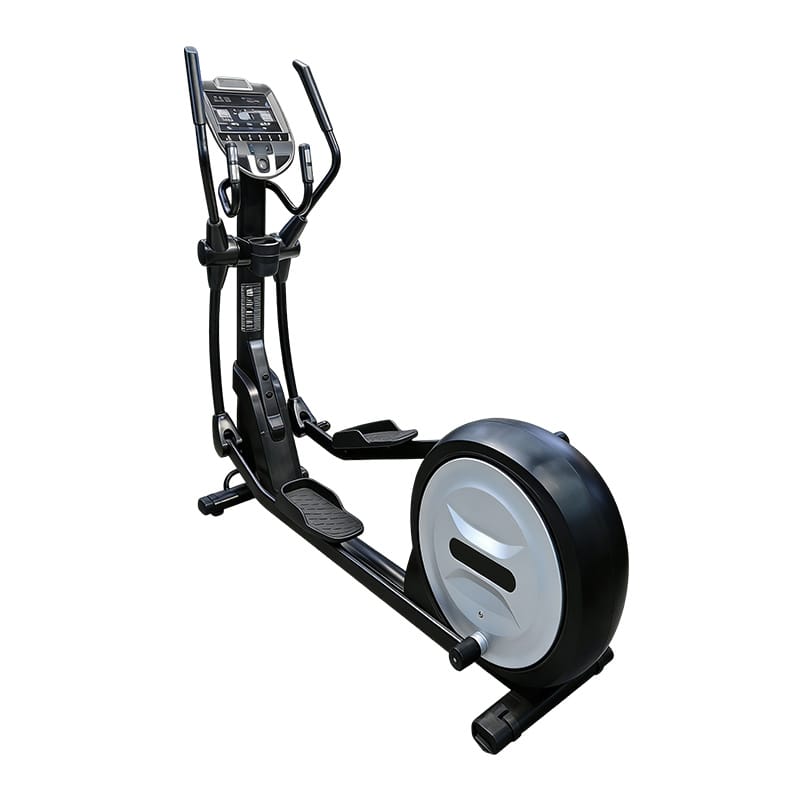
Getting started with elliptical training requires attention to form, progression, and safety for optimal results and injury prevention.
Proper Posture and Technique
Correct form maximizes workout effectiveness while minimizing strain:
- Head position: Keep your head up, eyes focused forward rather than down at the console. This maintains natural cervical spine alignment and prevents neck strain.
- Shoulder relaxation: Allow shoulders to drop away from ears, avoiding the common tendency to hunch forward. Relax shoulders while engaging upper back muscles for stability.
- Core engagement: Brace abdominal muscles slightly, maintaining neutral spine position without excessive arching or rounding. This protects your lower back while enhancing calorie expenditure.
- Arm technique: Push and pull handlebars with deliberate, controlled movements rather than letting momentum carry your arms. Engage chest, back, and arm muscles throughout the entire range of motion.
- Foot placement: Keep entire foot in contact with pedals, avoiding the common mistake of rising onto toes. Maintain even weight distribution between heel and forefoot for optimal muscle recruitment and joint protection.
- Stride pattern: Use full range of motion without overextending. Your stride should feel natural, not forced. Adjust stride length if your machine offers this feature.
Recommended Beginner Workouts
Start gradually to build fitness base and movement proficiency:
Week 1-2: Adaptation Phase
- Duration: 15-20 minutes
- Intensity: Easy pace (40-50% maximum effort)
- Resistance: Low settings (2-4 levels)
- Frequency: 3-4 sessions per week
- Goal: Familiarization with movement pattern and equipment operation
Week 3-4: Foundation Building
- Duration: 20-25 minutes
- Intensity: Moderate pace (50-60% maximum effort)
- Resistance: Moderate settings (5-8 levels)
- Frequency: 4-5 sessions per week
- Goal: Building cardiovascular base and movement coordination
Week 5-6: Introduction to Intervals
- Duration: 25-30 minutes
- Intensity: Varying intensity—3 minutes moderate, 1 minute higher effort
- Resistance: Varying levels to match intensity
- Frequency: 4-5 sessions per week
- Goal: Introduction to interval training concepts and improved fitness
Progress gradually rather than rushing intensity increases. Consistent training at appropriate levels produces better results than sporadic intense efforts followed by extended recovery periods.
Safety Precautions
Ellipticals are generally safe machines, but proper precautions prevent injuries:
- Proper footwear: Wear athletic shoes with adequate cushioning and support. Avoid sandals or barefoot training, which increase slip risk and reduce stability.
- Hydration: Drink water before, during, and after workouts. Dehydration compromises performance and increases injury risk.
- Warm-up and cool-down: Always include 5 minutes of easy movement at session start and end to prepare muscles and gradually return heart rate to resting levels.
- Listen to your body: Discomfort differs from pain. Mild muscle fatigue is normal during exercise, but sharp or persistent pain indicates improper form, excessive intensity, or potential injury—stop and assess.
- Equipment check: Ensure all components are secure before each use. Verify that safety features function properly and that moving parts operate smoothly without unusual noises.
- Medical clearance: Consult healthcare providers before starting new exercise programs, especially if you have pre-existing conditions or haven’t exercised regularly.
Maintaining Motivation and Consistency
Long-term success depends more on consistency than intensity:
- Set specific goals: Rather than vague objectives like “get fit,” establish concrete targets such as “complete 30-minute workouts 4 times per week for one month” or “burn 200 calories per session.”
- Track progress: Use built-in metrics or fitness apps to record improvements in duration, resistance, or calories burned. Seeing progress maintains motivation through tangible evidence of achievement.
- Vary routines: Utilize different preset programs and resistance profiles to prevent boredom. Explore incline changes, reverse pedaling, and interval options for ongoing engagement.
- Schedule workouts: Treat exercise sessions like important appointments—non-negotiable commitments in your calendar. Consistency at suboptimal intensity outperforms sporadic perfect workouts.
- Find entertainment: Engage with music, podcasts, audiobooks, or streaming content during sessions. Many users find that combining entertainment with exercise makes time pass more quickly and reduces perceived effort.
- Join communities: Online fitness communities or local groups provide accountability, motivation, and shared experiences that sustain commitment during challenging periods.
Conclusion
Recap of Key Points for Choosing the Perfect Elliptical Trainer Exercise Bike
Selecting the ideal elliptical trainer exercise bike requires careful consideration of multiple factors:
- Space requirements: Measure available area and consider compact or folding models for limited spaces
- Fitness goals: Match features to objectives—resistance ranges for weight loss, programming variety for cardio, durability for heavy use
- Build quality: Prioritize sturdy frames, smooth resistance systems, and quality components for longevity
- Technology integration: Assess value of smart features based on your usage patterns and tech preferences
- Budget considerations: Balance initial cost with long-term value through quality construction and appropriate features
The perfect elliptical isn’t necessarily the most expensive model with every available feature—it’s the one that best matches your space constraints, fitness objectives, usage patterns, and budget while providing reliable performance for years to come.
Importance of Matching Equipment to Space, Goals, and Lifestyle
Your elliptical should enhance rather than complicate your life. Consider your daily routine, home environment, and long-term fitness journey when selecting equipment:
- Space integration: Choose models that fit naturally into your living space rather than requiring disruptive rearrangement
- Lifestyle compatibility: Select equipment with features that support your schedule—entertainment options for morning users, quiet operation for evening sessions
- Fitness journey alignment: Ensure capabilities match both current abilities and future aspirations, allowing for progression without requiring premature upgrades
- Household considerations: Account for multiple users, family needs, and shared living situations when making selection decisions
Thoughtful consideration of these factors ensures your elliptical becomes a valued, regularly used component of healthy living rather than an expensive clothes hanger collecting dust in the corner.
Encouragement to Invest in Quality from a Trusted Manufacturer
Investing in quality equipment from reputable manufacturers delivers superior value through:
- Enhanced durability: Quality construction extends equipment lifespan, reducing replacement frequency and long-term costs
- Superior performance: Smooth resistance, stable frames, and accurate monitoring create enjoyable, effective workout experiences
- Comprehensive support: Manufacturer warranties, customer service, and technical assistance provide peace of mind throughout equipment ownership
- Advanced features: Premium models incorporate the latest technology and ergonomic improvements based on research and user feedback
- Resale value: Quality equipment maintains value better than budget alternatives, providing better return on investment if you eventually upgrade
Your elliptical represents an investment in health and well-being worthy of thoughtful selection. Prioritize quality, reliability, and suitability to your specific needs over short-term savings. The difference in daily enjoyment and long-term satisfaction makes quality equipment worth the investment.
Call to Action: Explore Our Full Range of Elliptical Trainer Exercise Bikes for Home and Commercial Use
Discover our comprehensive selection of elliptical trainer exercise bikes designed for diverse needs and environments:
- Home series: Compact, feature-rich models perfect for residential use with smart technology integration and family-friendly designs
- Commercial series: Heavy-duty equipment engineered for gym and facility use with enhanced durability, programming variety, and user capacity
- Specialty models: Solutions for rehabilitation, limited spaces, and specific training objectives with specialized features
Each machine in our lineup undergoes rigorous quality testing and incorporates premium components to ensure years of reliable performance. Our direct-from-manufacturer approach guarantees authentic products with comprehensive warranty coverage and expert support.
Contact our knowledgeable team for personalized recommendations based on your space, budget, and fitness goals. We’re committed to helping you find the perfect elliptical trainer exercise bike that transforms your home into an effective, enjoyable fitness destination.
Start your journey toward better health today—explore our collection and discover why thousands of customers trust us for their elliptical needs. Your perfect workout partner awaits.
FAQ
Q: How many calories can I burn on an elliptical trainer exercise bike in 30 minutes?
A: You can burn approximately 270-400 calories in a 30-minute session on an elliptical trainer exercise bike, depending on your weight and workout intensity. This calorie burn is comparable to jogging but with significantly less joint impact, making it an efficient option for weight management goals.
Q: Is an elliptical trainer exercise bike better for your knees than a treadmill?
A: Yes, elliptical trainer exercise bikes are much gentler on your joints than treadmills. Research shows that ellipticals reduce knee joint loading by up to 58% compared to treadmill running because your feet never leave the pedals, eliminating the repetitive impact that can worsen arthritis or cause joint pain.
Q: Can elliptical training help with weight loss effectively?
A: Absolutely. Elliptical trainer exercise bikes are highly effective for weight loss when used consistently. The combination of full-body muscle engagement and adjustable resistance allows for significant calorie expenditure, especially when incorporating HIIT (High-Intensity Interval Training) workouts that can burn 500-700 calories per hour.
Q: How much space do I need for an elliptical trainer exercise bike at home?
A: Standard elliptical trainer exercise bikes require approximately 70-85 inches in length and 25-30 inches in width, plus an additional 12-18 inches of clearance around all sides for safe movement. However, compact models can reduce length to 50-60 inches, and folding ellipticals can collapse vertically to save space when not in use.
Q: What’s the difference between a stationary bike and an elliptical trainer exercise bike?
A: The main difference lies in muscle engagement and movement pattern. Stationary bikes provide a focused lower-body workout targeting primarily leg muscles, while elliptical trainer exercise bikes engage approximately 80% of major muscle groups, including arms, shoulders, chest, and back through moving handlebars. This broader muscle activation typically results in 25-30% higher calorie burn on ellipticals during similar intensity workouts.