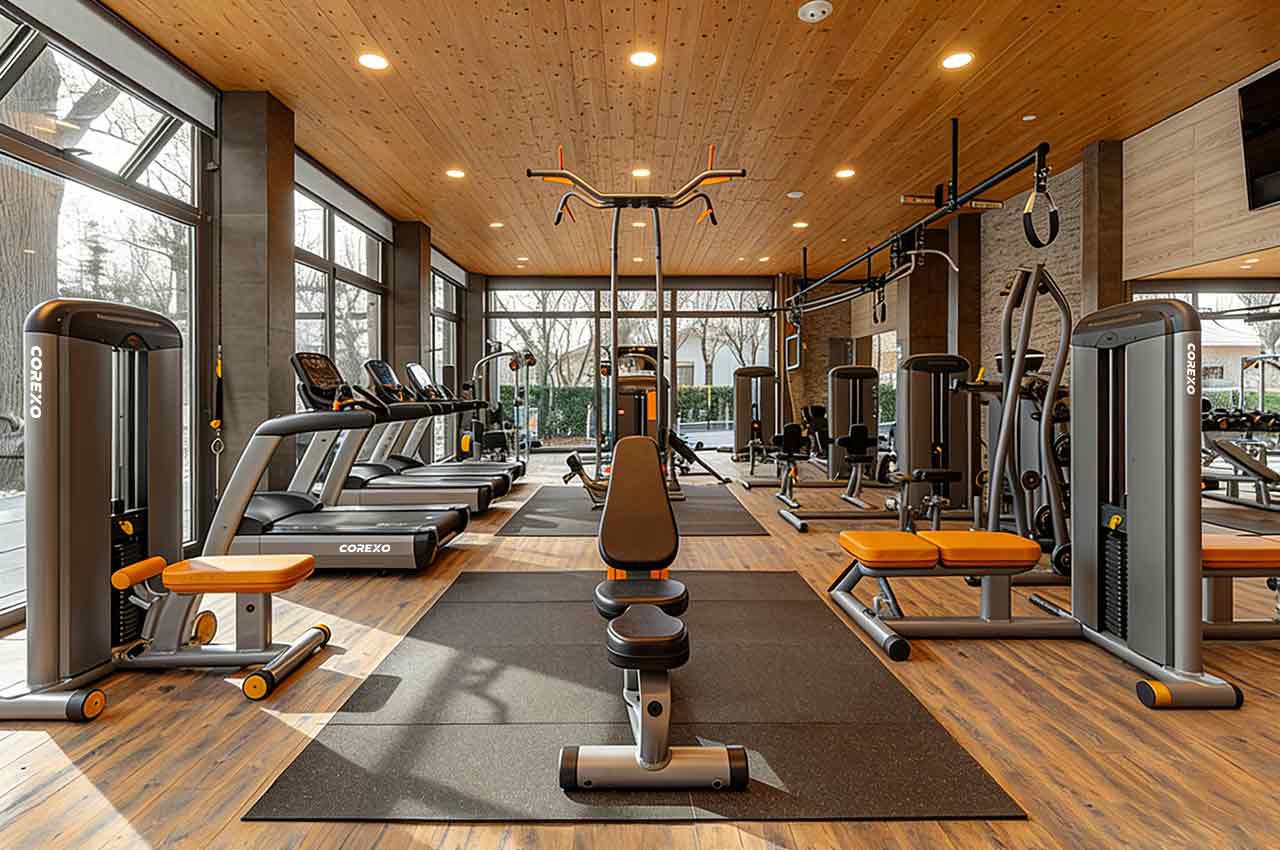
Elegir el estante para sentadillas de gimnasio adecuado es una de las decisiones más importantes al construir o mejorar un área de entrenamiento de fuerza comercial. Para los propietarios de gimnasios, clubes de acondicionamiento físico, estudios de entrenamiento, escuelas, hoteles y distribuidores de equipos, un estante para sentadillas no es solo un marco simple para el entrenamiento con barra. Afecta la seguridad del usuario, la eficiencia de la capacitación, la planificación del espacio, los costos de mantenimiento a largo plazo y la imagen profesional general de la instalación.
Un estante para sentadillas de gimnasio bien diseñado puede soportar sentadillas, press de banca, prensas de hombro, tiradores de rack, dominadas y muchos otros ejercicios de fuerza. También ayuda a los gimnasios comerciales a crear un entorno de entrenamiento más seguro y organizado. Sin embargo, no todos los racks son adecuados para uso comercial de alta frecuencia. Los compradores deben considerar la estructura, el material, la capacidad de peso, los accesorios, las opciones de personalización y la confiabilidad del fabricante.
como un Estante para sentadillas de gimnasio Fabricante, entendemos que diferentes compradores tienen diferentes necesidades. Un gran gimnasio comercial puede necesitar racks de potencia resistente con sistemas de almacenamiento, mientras que un gimnasio puede preferir medias estanterías compactas o bastidores para sentadillas que ahorran espacio. Los importadores y distribuidores pueden centrarse más en la estabilidad de pedidos a granel, el empaque, el diseño del OEM y la capacidad de suministro a largo plazo. Esta guía lo ayudará a comprender qué buscar antes de comprar un estante para sentadillas de gimnasio para uso comercial.
tabla de contenido
¿Qué es un estante de sentadillas de gimnasio?
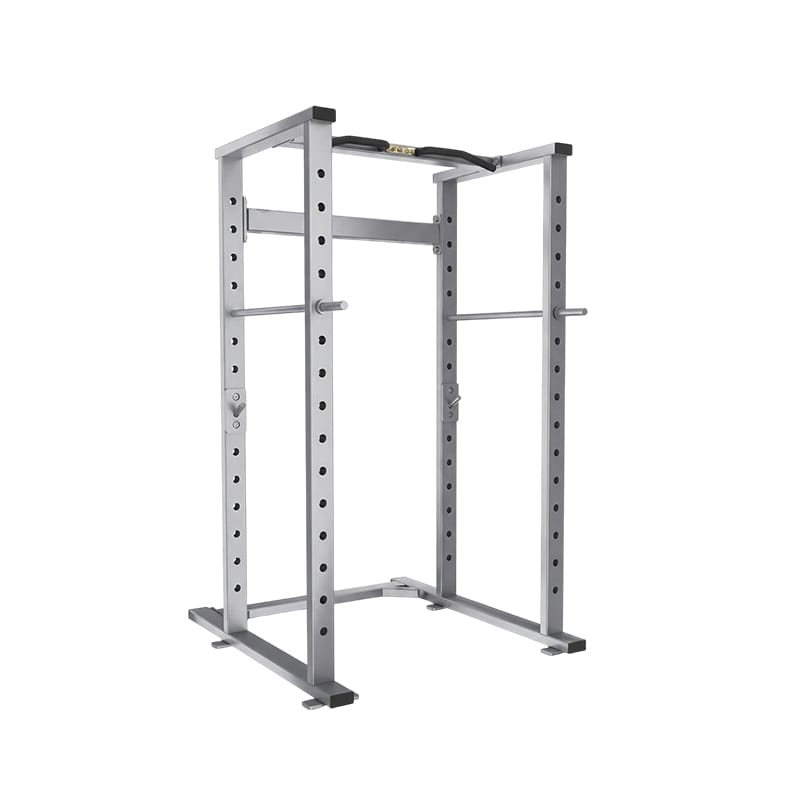
Un estante de sentadillas de gimnasio es un equipo de entrenamiento de fuerza diseñado para soportar una barra a diferentes alturas. Permite a los usuarios realizar ejercicios como sentadillas, press de banca, prensas aéreas y otros movimientos de barra de manera más segura y eficiente.
La mayoría de los estantes de sentadillas de gimnasio incluyen postes de acero verticales, orificios ajustables, ganchos en J, brazos de seguridad, vigas de conexión y, a veces, barras de tracción o almacenamiento de placas de pesas. Dependiendo del diseño, un rack puede ser simple y compacto o grande y multifuncional.
Para gimnasios comerciales, un Estante para sentadillas de gimnasio Por lo general se coloca en el área de peso libre. Es uno de los equipos de fuerza más utilizados porque soporta movimientos compuestos que entrenan múltiples grupos musculares. Estos ejercicios son importantes para el desarrollo de la fuerza, el rendimiento deportivo y la aptitud general.
Por qué los gimnasios comerciales necesitan un estante para sentadillas de gimnasio de alta calidad
Un estante para sentadillas de gimnasio comercial debe ser más fuerte y duradero que un bastidor básico para uso doméstico. En un entorno comercial, muchas personas utilizan el equipo todos los días. Diferentes usuarios tienen diferentes hábitos de entrenamiento, niveles de fuerza y patrones de movimiento. Esto significa que el estante debe manejar la carga repetida, los impactos frecuentes de la barra y el desgaste a largo plazo.
Un estante de sentadillas de gimnasio de alta calidad ayuda a reducir el temblor durante el entrenamiento. Da a los usuarios más confianza al levantar pesas pesadas. También ayuda al propietario del gimnasio a reducir los costos de reparación y evitar el reemplazo frecuente de equipos.
Para los compradores comerciales, la calidad siempre debe estar antes que el precio más bajo. Una rejilla de bajo costo puede parecer aceptable al principio, pero si el acero es delgado, la base es inestable o la soldadura es débil, es posible que el equipo no funcione bien en el uso diario. A la larga, un estante de sentadillas de gimnasio resistente y duradero es una mejor inversión.
Tipos principales de estante de sentadillas de gimnasio para uso comercial
Hay varios tipos comunes de estantes de sentadillas de gimnasio. Cada tipo tiene sus propias ventajas, requisitos de espacio y aplicaciones adecuadas.
Rack de potencia completo
Un rack de potencia completo, también llamado jaula de potencia, generalmente tiene cuatro postes verticales y una estructura de marco cerrado. Ofrece una excelente estabilidad y seguridad, especialmente para el levantamiento pesado. Es adecuado para gimnasios comerciales, centros de entrenamiento de fuerza, salas de entrenamiento deportivo y gimnasio profesional.
Un estante de alimentación comercial a menudo puede equiparse con barras de tracción, correas de seguridad, barras de inmersión, accesorios de minas terrestres, sistemas de cable y almacenamiento de peso. Es una de las opciones más versátiles para el entrenamiento de fuerza serio.
media red
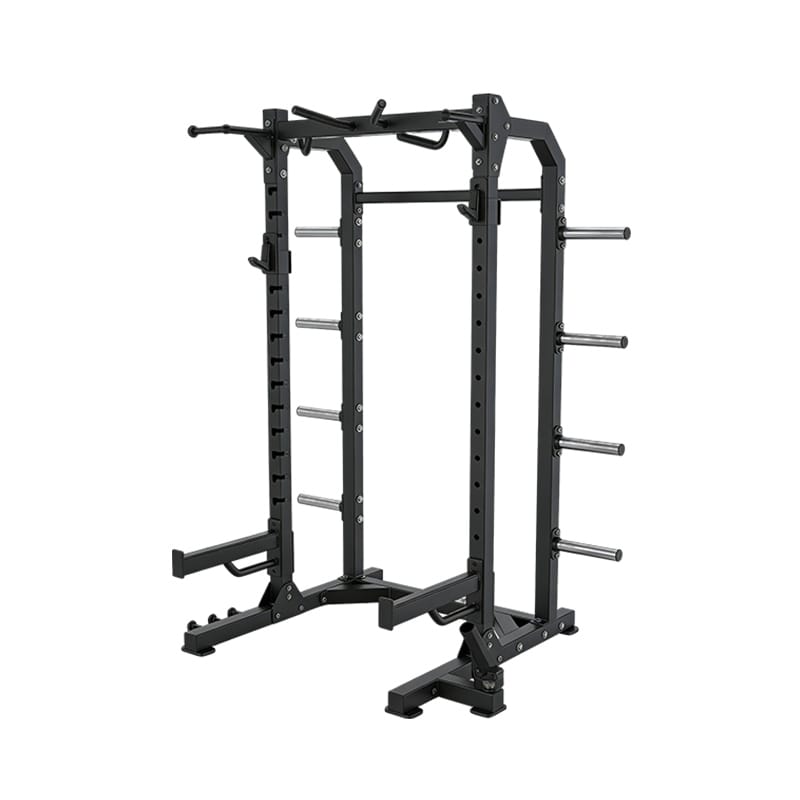
Un medio rack es más abierto que un rack de potencia completo. Por lo general, tiene dos postes verticales principales y una fuerte estructura de soporte trasero. Ahorra más espacio y ofrece una buena estabilidad y seguridad.
Los medios estantes son populares en los gimnasios comerciales porque proporcionan un buen equilibrio entre la función y el espacio del piso. Son adecuados para sentadillas, press de banca, prensas de hombro, dominadas y entrenamiento general con barra.
puesto de achapars
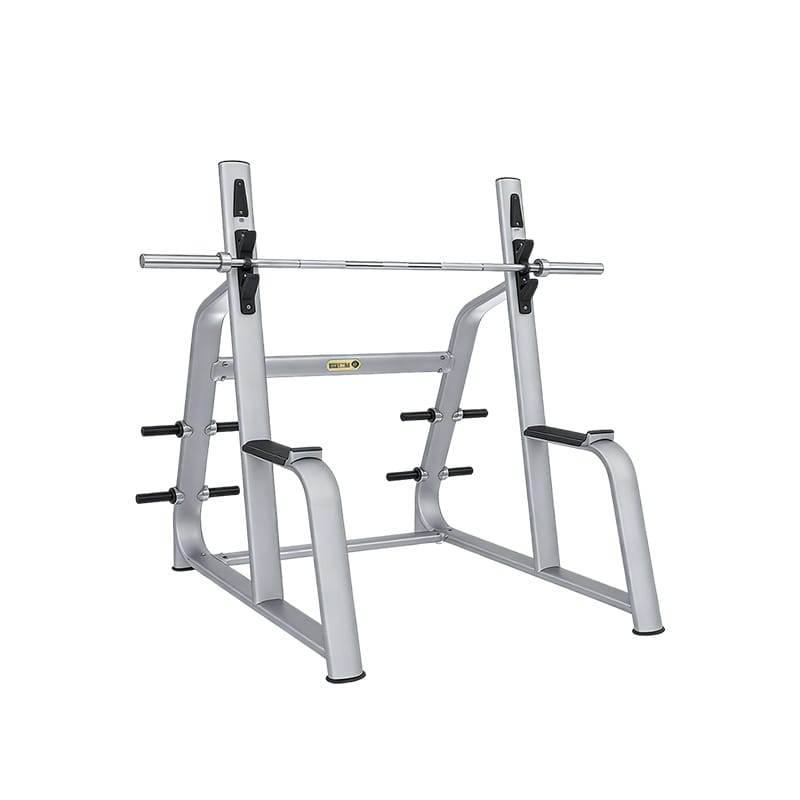
Un soporte para sentadillas es un tipo de estante más simple. Suele ser más ligero y compacto. Algunos modelos son ajustables y fáciles de mover. Sin embargo, para uso comercial, los compradores deben elegir un stand de sentadilla fuerte y estable en lugar de un modelo de servicio liviano.
Los puestos de sentadilla son adecuados para espacios de entrenamiento más pequeños, estudios de entrenamiento personal y áreas donde la flexibilidad es importante.
Estante para sentadillas montado en la
Un estante para sentadillas montado en la pared se fija a la pared. Ayuda a ahorrar espacio en el suelo y es una buena opción para gimnasios compactos o salas de entrenamiento. Algunos bastidores de pared se pueden plegar cuando no se usan.
Antes de elegir este tipo, los compradores deben verificar la estructura de la pared, las condiciones de instalación y los requisitos de seguridad. Una instalación adecuada es esencial para el uso a largo plazo.
Estante de sentadillas plegable para gimnasio
Un estante de sentadillas de gimnasio plegable está diseñado para aplicaciones que ahorran espacio. Se puede doblar hacia la pared después del entrenamiento. Este tipo es especialmente útil para pequeños estudios, gimnasios de garaje, gimnasios de hotel y salas de fitness con espacio limitado.
Para los compradores comerciales, se debe revisar cuidadosamente el mecanismo de plegado, el sistema de bloqueo, el espesor del acero y la resistencia de montaje en pared.
Características clave para buscar en un estante de sentadillas de gimnasio
Al seleccionar un Estante para sentadillas de gimnasio, los compradores no solo deben mirar la apariencia. Los detalles más importantes se encuentran a menudo en la estructura, los materiales, los accesorios y el proceso de fabricación.
| ráfaga | Por qué es importante para los gimnasios comerciales | Lo que los compradores deben verificar |
|---|---|---|
| bastidor de acero | Determina la fuerza, la estabilidad y la vida útil | Tamaño del tubo, grosor, calidad del material |
| Capacidad de peso | Afecta la seguridad durante el levantamiento pesado | Carga nominal, estructura de rack, puntos de soporte |
| Ganchos en J | Sostén la barra durante el entrenamiento | Ajustabilidad, almohadillas de protección, diseño de bloqueo |
| armas de seguridad | Proteger a los usuarios durante levantamientos fallidos | Longitud, espesor, fuerza de conexión |
| barra de tiro | Añade más funciones de entrenamiento | Diseño de agarre, altura, estabilidad |
| acabado superficial | Protege el estante de la oxidación y el desgaste | Recubrimiento en polvo, tratamiento anticorrosión |
| Espaciamiento de agujeros | Afecta la precisión del ajuste | Distancia de agujero y compatibilidad con accesorios |
| Almacenamiento de peso | Mantiene la zona de gimnasio organizada | Posición de soporte de placa y capacidad de carga |
| Opciones personalizadas | Apoya las necesidades de la marca y del proyecto | Color, Logotipo, Tamaño, Embalaje, Accesorios |
Un buen estante comercial para sentadillas de gimnasio debe ser estable, seguro, fácil de ajustar y adecuado para diferentes usuarios. Para el dueño de un gimnasio, esto significa una mejor experiencia de los miembros. Para los distribuidores e importadores, significa un producto que es más fácil de vender y menos probable que cree problemas postventa.
Cómo elegir el tamaño adecuado de estante para sentadillas de gimnasio
El tamaño es uno de los factores más importantes al comprar un estante para sentadillas de gimnasio. Un rack que es demasiado grande puede desperdiciar espacio, mientras que un bastidor que es demasiado pequeño puede limitar el rendimiento del entrenamiento.
Antes de realizar el pedido, los compradores deben medir el espacio disponible en el piso, la altura del techo y el espacio libre de entrenamiento alrededor del estante. Los usuarios necesitan suficiente espacio para cargar placas, moverse alrededor de la barra y realizar ejercicios de manera segura.
Para un gimnasio comercial, también es importante considerar el flujo de tráfico. Si varios usuarios están entrenando al mismo tiempo, el área del rack no debe bloquear los pasillos ni otros equipos. Un diseño bien planificado puede mejorar tanto la seguridad como la comodidad del usuario.
Para las instalaciones con techos bajos, la altura del estante debe ser revisada cuidadosamente, especialmente si el estante incluye una barra de dominadas. Para áreas de gran resistencia, pueden ser adecuados los racks de potencia completa o múltiples sistemas de rack conectados. Para espacios más pequeños, las medias rejillas, los estantes compactos o los estantes de pared pueden ser mejores opciones.
Materiales de estantería para sentadillas de gimnasio y calidad de fabricación
La calidad de un estante para sentadillas de gimnasio depende en gran medida de los materiales y el proceso de fabricación. Un marco fuerte comienza con acero de calidad. Los bastidores comerciales generalmente requieren tubos de acero más gruesos y una estructura más fuerte que los modelos de uso doméstico.
La calidad de soldadura también es importante. Las soldaduras limpias y fuertes ayudan a mejorar la estabilidad general de la rejilla. La mala soldadura puede afectar la seguridad y reducir la vida útil. Como fabricante, prestamos mucha atención a los puntos de soldadura, las áreas de conexión y la alineación del marco porque estos detalles afectan el rendimiento del mundo real.
El tratamiento de la superficie es otro factor clave. El recubrimiento en polvo se usa comúnmente para equipos de fitness comerciales porque mejora la resistencia al desgaste y le da al estante una apariencia profesional. Un buen tratamiento superficial también ayuda a proteger el acero de la humedad, el sudor, los arañazos y el óxido.
No se debe ignorar la calidad del hardware. Los pernos, tuercas, soportes y placas de conexión deben ser lo suficientemente fuertes para usarse repetidamente. Incluso un marco bien construido puede volverse inestable si las partes de conexión son débiles.
Gym Squat Rack vs Power Rack: ¿Cuál deberías elegir?
Muchos compradores comparan un Estante para sentadillas de gimnasio Con un rack de potencia antes de comprar. La elección correcta depende del propósito de la formación, el espacio, el presupuesto y el grupo de usuarios.
Un estante para sentadillas general es a menudo más abierto y eficiente en el espacio. Es adecuado para sentadillas, prensas, entrenamiento de banco y ejercicios básicos de barra. Es una buena opción para gimnasios que necesitan diseños flexibles y uso eficiente del espacio.
Un rack de potencia suele ser más grande y más cerrado. Ofrece más características de seguridad y más opciones de fijación. Es mejor para el entrenamiento de fuerza pesada, atletas profesionales y usuarios que entrenan solos. Un rack de alimentación comercial también puede admitir accesorios más avanzados, como accesorios de cable, barras de inmersión, sistemas de almacenamiento y correas de seguridad.
Para los gimnasios comerciales, ambas opciones pueden ser valiosas. Un gimnasio grande puede usar varios estantes de potencia en la zona de fuerza y agregar medias estanterías o sentadillas en otras áreas de entrenamiento. Un gimnasio más pequeño puede elegir bastidores de sentadillas comerciales compactos para equilibrar la función y el espacio.
Características de seguridad importantes para los estantes de sentadillas comerciales de gimnasio
La seguridad es una de las mayores preocupaciones al comprar equipos de entrenamiento de fuerza. Un estante de sentadillas de gimnasio comercial debería ayudar a los usuarios a entrenar con confianza y reducir el riesgo de accidentes.
La primera característica de seguridad es una base estable. Un estante no debe temblar fácilmente cuando los usuarios se desmoronan o desenrollan la barra. Las bases más anchas, los soportes traseros fuertes y el contacto adecuado del piso pueden mejorar la estabilidad.
Los brazos de seguridad o los brazos de observación también son esenciales. Ayudan a atrapar la barra si un usuario no puede completar un ascensor. Esto es especialmente importante para las sentadillas y los press de banca. En un gimnasio comercial, donde los usuarios pueden entrenar sin un observador personal, se recomiendan los brazos de seguridad.
Los ganchos en J deben ser fuertes y fáciles de ajustar. Los buenos ganchos en J protegen tanto la barra como el estante. Algunos modelos incluyen almohadillas de protección para reducir el ruido y el desgaste.
La instalación adecuada también forma parte de la seguridad. Es posible que algunos bastidores deban ser atornillados al piso, especialmente en entornos comerciales de alta resistencia. Los compradores deben seguir las instrucciones de instalación y revisar todo el hardware regularmente después de su uso.
Opciones de estante de sentadillas de gimnasio personalizadas para diferentes compradores
La personalización es importante para muchos compradores comerciales, especialmente distribuidores, importadores, propietarios de marcas y operadores de gimnasios basados en proyectos. Es posible que un estante para sentadillas de gimnasio estándar no cumpla con todos los requisitos del mercado, por lo que el soporte de fabricación flexible puede agregar un valor real.
Las opciones personalizadas comunes incluyen tamaño de bastidor, color del marco, colocación del logotipo, dimensiones de tubo de acero, espacio entre orificios, accesorios y empaque. Por ejemplo, una marca de fitness puede querer racks en su marca de color. Un distribuidor puede necesitar un embalaje de etiqueta privada. Un proyecto de gimnasio puede requerir una altura o disposición específica para que coincida con el área de entrenamiento.
La personalización de accesorios también es popular. Los compradores pueden elegir barras de dominadas, ganchos en J, brazos de seguridad, mangos de inmersión, soportes de barra, accesorios de minas terrestres, almacenamiento de placas de peso o opciones de fijación de cables. Estos accesorios pueden hacer que un estante para sentadillas de gimnasio sea más funcional y atractivo para los usuarios finales.
Como fabricante de equipos de gimnasio, entendemos que la personalización no se trata solo de la apariencia. También incluye detalles prácticos como carga de contenedores, eficiencia de montaje, etiquetado de productos, manuales de usuario y soporte de piezas de repuesto.
Cómo evaluar un fabricante de estante de sentadillas de gimnasio
Elegir el fabricante adecuado de estanterías para sentadillas de gimnasio es tan importante como elegir el estante en sí. Un fabricante confiable puede ayudar a los compradores a controlar la calidad, reducir los riesgos de abastecimiento y mejorar la estabilidad comercial a largo plazo.
Primero, los compradores deben verificar la capacidad de producción. Un fabricante debe tener la capacidad de producir lotes estables con una calidad constante. Esto es especialmente importante para pedidos al por mayor, proyectos comerciales y distribución a largo plazo.
En segundo lugar, el control de calidad debe formar parte del proceso de producción. La inspección de materias primas, la inspección de soldadura, las comprobaciones de tratamiento de la superficie, las pruebas de montaje y la inspección de empaques ayudan a garantizar la confiabilidad del producto.
En tercer lugar, la experiencia de OEM y ODM puede ser valiosa. Si los compradores necesitan diseños personalizados, productos de marca privada o soluciones específicas del mercado, el fabricante debería poder apoyar el desarrollo y la personalización del producto.
La comunicación también es importante. Un proveedor profesional debe poder proporcionar detalles claros del producto, sugerencias técnicas, información de empaque y soporte de pedidos. Para los compradores extranjeros, la experiencia de exportación, el soporte de documentación y un empaque confiable pueden hacer que el proceso de compra sea más fluido.
Errores comunes al comprar un estante para sentadillas de gimnasio
Muchos compradores cometen errores similares al comprar Estantes de sentadillas de gimnasio. Evitar estos errores puede ahorrar tiempo, dinero y futuros problemas de mantenimiento.
Un error común es elegir sólo por precio. Un estante muy barato puede usar acero más delgado, hardware más débil o tratamiento superficial deficiente. Esto puede conducir a inestabilidad, desgaste más rápido y una vida útil más corta.
Otro error es ignorar el espacio de entrenamiento real. Algunos compradores compran un portaequipajes sin comprobar la altura del techo, el área del piso o el espacio circundante. Después de la instalación, pueden encontrar que los usuarios no pueden moverse de manera segura o realizar ciertos ejercicios cómodamente.
Algunos compradores también pasan por alto los accesorios de seguridad. Una rejilla para achapar sin ganchos en J, brazos de seguridad o soporte estable puede no ser adecuado para uso comercial.
Otro problema es elegir el tipo de rack incorrecto. Un soporte de sentadillas ligeros puede estar bien para el entrenamiento ocasional en el hogar, pero puede que no sea adecuado para un gimnasio comercial ocupado. Los compradores comerciales siempre deben coincidir con el tipo de bastidor con el entorno de entrenamiento real.
Consejos de mantenimiento de estante para sentadillas de gimnasio para uso a largo plazo
Incluso un estante para sentadillas de gimnasio de alta calidad necesita un mantenimiento adecuado. La atención regular puede prolongar la vida útil y mantener segura el área de entrenamiento.
El personal del gimnasio debe revisar los pernos, las tuercas y los puntos de conexión con regularidad. Si alguna parte se afloja, debe apretarse antes de que los usuarios continúen entrenando.
La superficie debe limpiarse para eliminar el sudor, el polvo y la tiza. Esto ayuda a proteger el recubrimiento y mantiene la parrilla con un aspecto profesional. En ambientes húmedos, la limpieza regular es aún más importante.
Los ganchos en J y los brazos de seguridad deben revisarse en busca de desgaste porque tienen contacto frecuente con la barra. Si las almohadillas protectoras están dañadas, deben reemplazarse.
Los usuarios también deben evitar exceder la capacidad de peso recomendada. Un estante de sentadillas de gimnasio resistente está diseñado para el entrenamiento de fuerza, pero cada producto todavía tiene su propio rango de operación seguro.
Mantener el área circundante organizada es otra práctica simple pero importante. Las placas de peso, las barras y los accesorios deben almacenarse adecuadamente para evitar accidentes y mejorar la apariencia del gimnasio.
¿Por qué comprar un estante para sentadillas de gimnasio directamente de un fabricante?
Comprar directamente de un fabricante de estanterías para gimnasio puede traer varias ventajas, especialmente para compradores comerciales, distribuidores y marcas de equipos de fitness.
La compra directa de fábrica puede mejorar el control de costos porque reduce los pasos intermedios innecesarios. Los compradores pueden comunicarse directamente sobre las especificaciones del producto, los materiales, el embalaje, la personalización y los requisitos de entrega.
Los fabricantes también pueden proporcionar una personalización más flexible. Ya sea que el comprador necesite un estante para sentadillas de gimnasio de alta resistencia, un estante compacto para espacios pequeños o un producto OEM de marca, la comunicación directa con la fábrica hace que el proceso sea más eficiente.
Otra ventaja es un mejor control de calidad. Los compradores pueden confirmar los detalles del producto directamente con el fabricante, incluidos los requisitos de material de acero, acabado de superficie, accesorios, embalaje y inspección.
Para pedidos a granel, los fabricantes suelen estar mejor preparados para respaldar una producción estable y un suministro a largo plazo. Esto es importante para los importadores, distribuidores, cadenas de gimnasios y compradores de proyectos que necesitan productos consistentes a lo largo del tiempo.
recomendado Estante para sentadillas de gimnasio Soluciones para diferentes espacios comerciales
Diferentes instalaciones necesitan diferentes soluciones de rack. No hay un solo estante para sentadillas de gimnasio que se ajuste a todos los negocios.
Para gimnasios comerciales grandes, los estantes de potencia completa y los estantes para sentadillas de alta resistencia suelen ser buenas opciones. Apoyan el uso de alta frecuencia y ofrecen más opciones de capacitación.
Para los estudios de fitness, los medios estantes o los estantes compactos para sentadillas de gimnasio pueden ser más prácticos. Ahorran espacio mientras siguen apoyando importantes ejercicios con barra.
Para los gimnasios del hotel, el estante debe ser seguro, atractivo y fácil de mantener. Un diseño limpio y una estructura estable son a menudo más importantes que los accesorios complicados.
Para los gimnasios escolares y los centros de entrenamiento, la seguridad y la durabilidad deben ser el foco principal. El rack debe poder soportar diferentes usuarios y la capacitación diaria repetida.
Para los distribuidores e importadores, el diseño de productos, el empaque, la personalización y el posicionamiento en el mercado son importantes. Un estante que sea fácil de montar, visualmente atractivo y adecuado para uso comercial, generalmente será más competitivo.
idea de narración
Un estante para sentadillas de gimnasio es una de las piezas más importantes de equipo de entrenamiento de fuerza en cualquier gimnasio comercial. Es compatible con ejercicios esenciales con barra, mejora la seguridad del entrenamiento y ayuda a crear un entorno de acondicionamiento físico profesional. Para los propietarios de gimnasios, distribuidores, importadores y compradores de proyectos, elegir el estante adecuado puede afectar tanto al usuario como al valor de inversión a largo plazo.
Al comparar diferentes gimnasios peruez de pies opciones, los compradores deben mirar más allá de la apariencia y el precio. La calidad del marco de acero, la capacidad de peso, la soldadura, el tratamiento de la superficie, los accesorios de seguridad, el tamaño del estante, las opciones de personalización y la capacidad del fabricante juegan un papel importante.
Como fabricante de estanterías para gimnasio, sabemos que los compradores comerciales necesitan productos confiables, suministro estable y personalización flexible. Ya sea que esté construyendo un nuevo gimnasio, actualizando un área de entrenamiento de fuerza, obteniendo productos para su marca o comprando a granel, trabajar con un fabricante profesional puede ayudarlo a obtener una mejor calidad, diseños más adecuados y un soporte a largo plazo más fuerte.
Si está buscando un estante de sentadillas de gimnasio duradero, personalizable y de calidad comercial, nuestro equipo puede ayudarlo a elegir la solución adecuada para su mercado y las necesidades de su proyecto. Contáctenos para discutir las especificaciones, las opciones de personalización, los pedidos a granel y las soluciones de equipos de gimnasio.
preguntasrán el
P1: ¿Para qué se utiliza un estante para sentadillas de gimnasio?
Se utiliza un estante para sentadillas de gimnasio para ejercicios de barra, como sentadillas, press de banca, prensas de hombro, tiradores de bastidores y otros movimientos de entrenamiento de fuerza. Ayuda a los usuarios a entrenar de forma segura sosteniendo la barra a alturas ajustables.
P2: ¿Cómo elijo el estante de sentadillas de gimnasio adecuado?
Elija un estante para sentadillas de gimnasio basado en la fuerza del marco de acero, la capacidad de peso, el tamaño de la parrilla, los brazos de seguridad, los ganchos en J, las opciones de la barra de dominadas y el espacio disponible en el piso. Para los gimnasios comerciales, se recomienda una estructura resistente.
P3: es un gimnasio peruez de pies ¿Adecuado para gimnasios comerciales?
Sí, un estante para sentadillas de gimnasio de calidad comercial es adecuado para centros de fitness, estudios de entrenamiento, gimnasios escolares, gimnasios de hotel y áreas de entrenamiento de fuerza. Está diseñado para uso frecuente y cargas de entrenamiento más pesadas.
P4: ¿Se puede personalizar un estante para sentadillas de gimnasio?
Sí, muchos fabricantes de estanterías para gimnasio ofrecen opciones de personalización, que incluyen tamaño, color, logotipo, empaque, brazos de seguridad, barras de tracción, almacenamiento de peso y otros accesorios para diferentes necesidades de los compradores.
P5: ¿Cuál es la diferencia entre un estante para sentadillas de gimnasio y un estante de potencia?
Un estante para sentadillas de gimnasio suele ser más abierto y ahorrador de espacio, mientras que un estante de potencia tiene una estructura más grande estilo jaula con más características de seguridad. Ambos son útiles, pero los estantes de potencia a menudo se prefieren para el entrenamiento de fuerza pesada.