tabla de contenido
comienzo
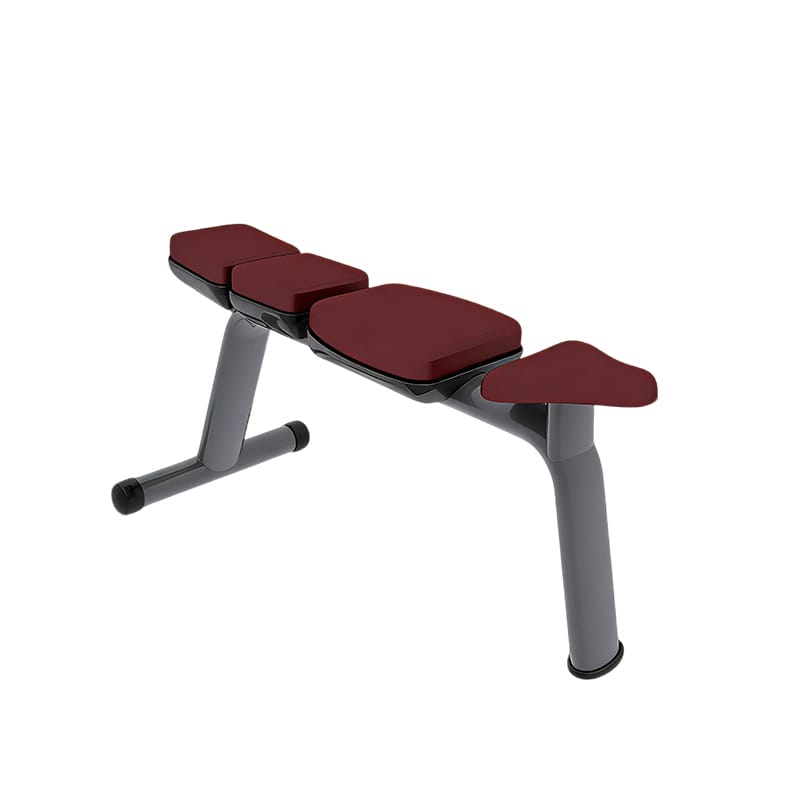
Un banco de entrenamiento plano es una de las piezas de equipo más esenciales tanto en gimnasios comerciales como en configuraciones de fitness en el hogar. Sirve como una plataforma fundamental para ejercicios de entrenamiento de fuerza como press de banca, entrenamientos con mancuernas y rutinas de acondicionamiento de cuerpo completo.
Desde una perspectiva de fabricación, la demanda de bancos de entrenamiento planos continúa creciendo a nivel mundial debido a la expansión de los gimnasios, los gimnasios de los hoteles y los estudios de entrenamiento personal. Como fabricante de equipos de gimnasio, observamos continuamente que los compradores ya no se enfocan solo en el precio: están priorizando la durabilidad, la seguridad y el rendimiento a largo plazo.
Esta guía está diseñada para ayudar a los propietarios de gimnasios, distribuidores y marcas de acondicionamiento físico a comprender cómo seleccionar un banco de entrenamiento plano confiable y qué importa realmente antes de tomar una decisión de compra.
¿Qué es un banco de entrenamiento plano y cómo funciona?
Un banco de entrenamiento plano es un banco de pesas fijo y no ajustable diseñado para ejercicios de estabilidad y entrenamiento de fuerza. A diferencia de los bancos ajustables, mantiene una posición horizontal, lo que la hace ideal para movimientos de prensado constantes.
Es ampliamente utilizado con barras, mancuernas y bastidores de potencia, formando la base de muchos programas de entrenamiento de fuerza.
Las aplicaciones clave incluyen:
- Entrenamiento de press de banca
- Prensa de pecho con mancuernas
- Entrenamientos de hombro y brazo
- Ejercicios de estabilidad central
Debido a su estructura simple, el banco plano es conocido por su alta durabilidad y requisitos mínimos de mantenimiento, especialmente en entornos de gimnasios comerciales.
Características clave de una alta calidad Banco de entrenamiento plano
Al evaluar un banco de entrenamiento, la calidad siempre debe ser la máxima prioridad. Un producto de calidad profesional se define por su resistencia estructural, materiales y diseño de seguridad.
Especificaciones clave a tener en cuenta:
| ráfaga | especie | importancia |
|---|---|---|
| bastidor de acero | Acero de calidad comercial de alta resistencia | Asegura estabilidad y capacidad de carga |
| Capacidad de peso | 300 kg-500 kg o superior | Apoya el uso de la formación profesional |
| acolchado | Cojín de espuma de alta densidad | Mejora la comodidad y reduce la fatiga |
| acabado superficial | Capa antioxidante con recubrimiento en polvo | Extiende la vida útil del producto |
| Diseño base | antihipón -Patas de goma deslizantes | Mejora la seguridad durante los entrenamientos |
Un banco de entrenamiento bien diseñado debe proporcionar un equilibrio entre comodidad y rigidez estructural, especialmente para el uso de gimnasio de alta frecuencia.
Proceso de fabricación de banco de entrenamiento plano (factory insight)
Como fabricante de bancos de formación directa, el control de calidad de producción juega un papel fundamental para garantizar la fiabilidad del producto.
El proceso de fabricación generalmente incluye:
- Selección de material
Se selecciona la tubería de acero de alta calidad para mayor resistencia y durabilidad. - soldadura de marco
La soldadura de precisión garantiza la integridad estructural y la estabilidad de carga. - tratamiento superficial
El recubrimiento en polvo se aplica para evitar el óxido y mejorar la estética. - Producción de cojines
La espuma de alta densidad tiene forma de soporte ergonómico y uso a largo plazo. - Pruebas de calidad
Cada unidad se prueba para la capacidad de carga, la estabilidad y el rendimiento de seguridad.
Para los clientes y distribuidores OEM, a menudo se encuentran disponibles opciones de personalización como marca, selección de color y modificaciones estructurales.
Banco de entrenamiento plano para gimnasio comercial vs gimnasio en casa
Diferentes entornos de uso requieren diferentes especificaciones de banco. Entender esta distinción es importante para tomar la decisión de inversión correcta.
| aspecto | Banco de gimnasio en casa | Banco comercial de gimnasio |
|---|---|---|
| Frecuencia de uso | Bajo a medio | Uso diario de alta intensidad |
| Fuerza del marco | Acero estándar | Acero reforzado resistente |
| Capacidad de peso | 150-250kg | 300–500 kg+ |
| formato | Diseño compacto | Tamaño comercial completo |
| vida útil | médium | Uso industrial a largo plazo |
Para propietarios de gimnasios o gimnasios, de grado comercial Bancos de entrenamiento planos Se recomienda encarecidamente debido a los mayores requisitos de durabilidad.
Cómo elegir el banco de entrenamiento adecuado para sus necesidades
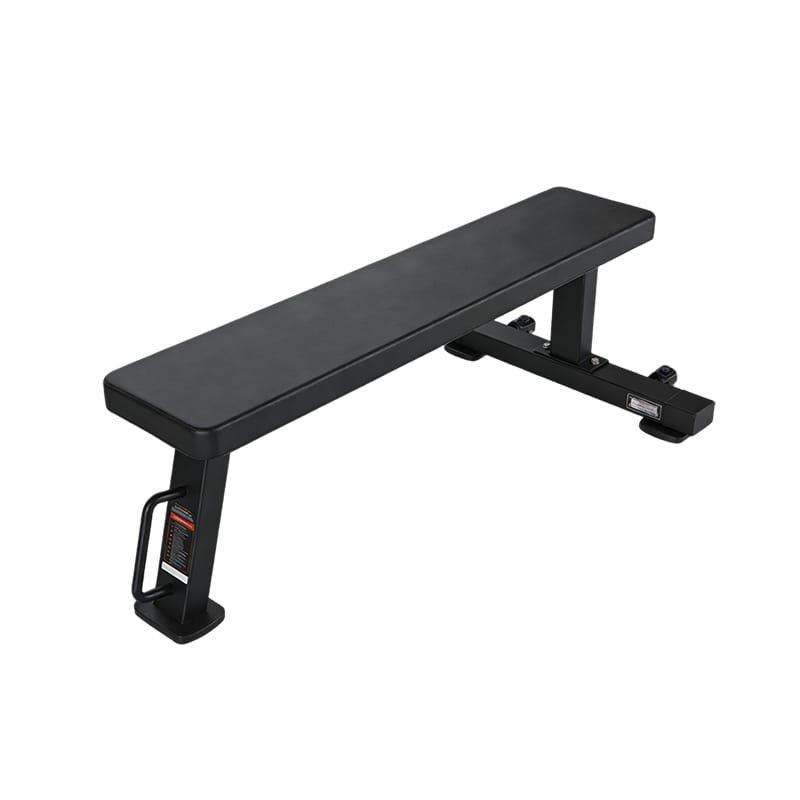
Seleccionar el banco derecho requiere evaluar tanto los factores técnicos como los de negocios.
Las consideraciones clave incluyen:
- Capacidad de carga para diferentes niveles de entrenamiento
- Espesor de acero y refuerzo estructural
- Nivel de comodidad de relleno y ergonomía
- Estabilidad durante los entrenamientos de alta intensidad
- Capacidad de producción y fiabilidad del fabricante
Para los compradores a granel, trabajar directamente con un fabricante de bancos de entrenamiento puede reducir significativamente el costo al tiempo que garantiza una calidad constante del producto.
Aplicaciones de banco de entrenamiento plano en programas de entrenamiento de fuerza
los Banco de entrenamiento plano es un componente central en casi todos los sistemas de entrenamiento de fuerza. Es compatible con una amplia gama de ejercicios, que incluyen:
- Press de banca con barra para el desarrollo del pecho
- Prensas con mancuernas para la simetría muscular
- Rutinas de entrenamiento de tríceps y hombros
- Ejercicios de estabilización central
En los gimnasios profesionales, a menudo se integra con racks de sentadillas y sistemas de cable para crear una estación de entrenamiento completa.
Banco de entrenamiento plano opciones de fabricación al por mayor y OEM
Para distribuidores, cadenas de gimnasio y marcas de fitness, el abastecimiento directamente de un fabricante ofrece ventajas significativas.
Los beneficios clave incluyen:
- Precios directos de fábrica sin intermediarios
- Personalización OEM para marca y diseño
- Producción de pedidos a granel para grandes proyectos
- Control de calidad constante en los lotes
- Apoyo a las exportaciones globales para los mercados internacionales
Muchos compradores comerciales ahora prefieren asociaciones a largo plazo con un proveedor de equipos de gimnasio confiable en lugar de canales de compra únicos.
Errores comunes al comprar un banco de entrenamiento
A pesar de su estructura simple, varios errores de compra son comunes en el mercado:
- Elegir productos de bajo costo con estructuras de marco débiles
- Ignorar los requisitos de capacidad de peso máximo
- Con vistas a las características antideslizantes y de seguridad
- No evaluar la durabilidad a largo plazo
- No verificar la credibilidad del fabricante o los estándares de producción
Evitar estos errores garantiza una mejor seguridad, rendimiento y retorno de la inversión.
Mantenimiento y cuidado para uso a largo plazo
El mantenimiento adecuado puede prolongar significativamente la vida útil de un Banco de entrenamiento plano.
Prácticas recomendadas:
- Limpieza regular de bastidores y superficies de relleno
- Comprobación de las uniones de soldadura y estabilidad estructural
- Evitar la exposición prolongada a la humedad
- Inspección de los pies de goma para detectar necesidades de desgaste y reemplazo
- Asegurar un almacenamiento adecuado en entornos comerciales
El equipo bien mantenido no solo funciona mejor, sino que también mejora la seguridad del usuario.
idea de narración
Un banco de entrenamiento plano es una pieza central de equipo de entrenamiento de fuerza que afecta directamente el rendimiento del entrenamiento y la eficiencia del gimnasio. Ya sea que se use en un gimnasio en casa o en un gimnasio comercial, seleccionar el producto adecuado requiere una atención cuidadosa a la estructura, la durabilidad y la calidad de fabricación.
Desde el punto de vista de la fabricación, la cooperación directa con un profesional Banco de entrenamiento plano El fabricante ofrece claras ventajas en términos de precios, personalización y consistencia del producto. Para los distribuidores y propietarios de gimnasios, este enfoque también garantiza la estabilidad del suministro a largo plazo y una mejor competitividad del mercado.
A medida que la industria global de la acondicionamiento físico continúa expandiéndose, invertir en equipos de gimnasio bien diseñados y de alta calidad ya no es opcional, es una decisión estratégica que respalda el crecimiento empresarial y la satisfacción del cliente.
preguntasrán el
¿Para qué sirve un banco de entrenamiento plano?
Un banco de entrenamiento plano se utiliza principalmente para ejercicios de entrenamiento de fuerza como press de banca, entrenamiento con mancuernas y desarrollo de músculos de la parte superior del cuerpo en gimnasios domésticos y comerciales.
¿Cuál es la diferencia entre un banco de entrenamiento plano y un banco ajustable?
Un banco de entrenamiento plano tiene una posición horizontal fija para la estabilidad, mientras que un banco ajustable permite ajustes de inclinación y declive para más variaciones de ejercicio.
¿Cuánto peso puede un Banco de entrenamiento plano ¿Apoyo?
Un banco de entrenamiento plano de calidad comercial generalmente soporta 300 kg a 500 kg o más, según la estructura de acero y la calidad de fabricación.
¿Es un banco de entrenamiento plano adecuado para un gimnasio en casa?
Sí, es adecuado para gimnasios en casa, especialmente para usuarios enfocados en el entrenamiento básico de fuerza. Es compacto, estable y requiere un mantenimiento mínimo.
¿Por qué comprar directamente a un fabricante de bancos de entrenamiento?
Comprar directamente de un fabricante garantiza mejores precios, opciones de personalización de OEM, control de calidad consistente y suministro a granel confiable para necesidades comerciales o mayoristas.