Commercial Gym Equipment Relocation Checklist: Contents
- Define the relocation scope
- Survey and document assets
- Plan shutdown and disassembly
- Control the moving route
- Reinstall and commission equipment
- Close records and open items
- Frequently asked questions
A commercial gym equipment relocation checklist helps facility owners move fitness equipment without losing control of asset identity, disassembly instructions, components, site conditions, or acceptance records. It coordinates the owner, facility manager, mover, installer, electrician, technician, and receiving team around one documented process.
This commercial gym equipment relocation checklist applies to moves within one room, between floors, or to a different facility. It is a planning framework, not a substitute for manufacturer instructions, structural review, electrical work by qualified personnel, specialist rigging, local safety rules, or a site-specific risk assessment.
Define the Relocation Scope Before Moving Anything
Start the commercial gym equipment relocation checklist with the business reason, origin, destination, target dates, operating restrictions, and parties responsible for each phase. A short internal rearrangement may need different controls from a move through loading docks, elevators, public corridors, or external transport.
Confirm who may disconnect powered equipment, remove anchors, disassemble frames, operate lifting equipment, pack components, transport assets, and approve reinstallation. Availability alone does not establish competence. The commercial gym equipment relocation checklist should identify tasks reserved for qualified technicians or specialist movers.
- Rooms, zones, and equipment included in the move
- Equipment remaining operational during each phase
- Building access windows and noise restrictions
- Loading dock, elevator, door, and floor limitations
- Named responsibility for shutdown, transport, installation, and acceptance
- Contingency arrangements if the destination is not ready
Review the destination layout before setting the sequence. The commercial gym equipment layout guide can support zoning decisions, while the commercial gym equipment relocation checklist controls how each approved position is reached and verified.
Survey, Identify, and Photograph Every Asset
Use the commercial gym equipment relocation checklist to record equipment type, model, serial or asset number where applicable, current room, destination position, dimensions, estimated handling constraints, power requirements, accessories, and visible pre-existing condition. Attach photographs that show the whole machine, labels, cable routing, adjustment assemblies, and existing damage.
Assign one relocation identifier to every machine and its component containers. Benches, selector pins, handles, footplates, weight-stack covers, cables, consoles, fasteners, and manuals can become separated during a multi-room move. Labels should withstand handling without covering warnings, serial plates, or operating instructions.
| Record | Purpose | Minimum evidence |
|---|---|---|
| Asset survey | Preserve identity and condition | Identifier, origin, destination, photographs |
| Component register | Prevent missing parts | Container number and contents |
| Route survey | Confirm physical access | Measured clearances and approved route |
| Reinstallation record | Confirm readiness after the move | Checks, defects, approver, date |
Check service history before moving equipment that already has a reported fault. The commercial gym equipment relocation checklist should link to the commercial gym equipment maintenance checklist so unresolved defects do not disappear when the asset receives a new location.
Plan Shutdown, Isolation, and Disassembly
A commercial gym equipment relocation checklist should state the approved shutdown and disassembly sequence for each model. Obtain current manufacturer instructions before work begins. Do not assume two visually similar machines share the same lifting points, cable tension procedure, console connection, anchoring method, or frame separation sequence.
Powered equipment may require electrical isolation and verification before disconnection. In U.S. workplaces, the OSHA control of hazardous energy resources explain lockout/tagout principles and employer responsibilities. Apply the requirements that govern the actual workplace and use authorized personnel; a commercial gym equipment relocation checklist does not create electrical authority.
Photograph connections before removal, protect exposed terminals, secure moving arms, release stored energy only as instructed, and keep model-specific fasteners with the correct assembly. Add the container identifier and responsible person to the commercial gym equipment relocation checklist as each stage is completed.
Clean equipment before packing without saturating electronics, bearings, or internal mechanisms. Use the commercial gym equipment cleaning checklist to distinguish routine cleaning from the technical work required when damaged upholstery, corrosion, moisture, or contamination is discovered.
Control Handling, Transport, and the Moving Route
The commercial gym equipment relocation checklist should document door widths, turns, ceiling height, ramps, floor transitions, stairs, elevator capacity, loading access, floor load restrictions, and protected finishes. Measure the equipment in its transport configuration rather than relying on catalogue dimensions for a fully assembled machine.
Manual handling plans must reflect the load, grip, posture, travel distance, frequency, and environment. The NIOSH Revised Lifting Equation resources explain factors used to assess certain two-handed lifting tasks, but they are not a universal approval for moving large fitness machines. Use suitable mechanical aids and specialist handling where required.
The OSHA ergonomics overview also emphasizes fitting work to people and controlling musculoskeletal risks. Include team communication, exclusion zones, spotters, stopping criteria, equipment ratings, and emergency contacts in the commercial gym equipment relocation checklist.
- Protect floors, walls, doors, mirrors, and finished surfaces.
- Keep members and unauthorized staff outside the moving zone.
- Use only inspected handling equipment with suitable capacity.
- Secure loads against movement during internal or external transport.
- Stop when route conditions differ from the approved survey.
- Record any impact, drop, moisture exposure, or damaged packaging.

Reinstall, Inspect, and Commission at the Destination
Do not treat arrival as completion. The commercial gym equipment relocation checklist should confirm the destination is dry, clean, stable, electrically ready, accessible, and consistent with the approved plan before equipment is unpacked and assembled.
Reinstallation should follow the correct model instructions, including anchoring, leveling, cable routing, guards, fastener requirements, clearances, electrical connections, and accessory storage. Where stationary training equipment standards are referenced in the project, verify the exact applicable requirements through sources such as the official ISO 20957-1 page. Do not claim certification based only on using a checklist.
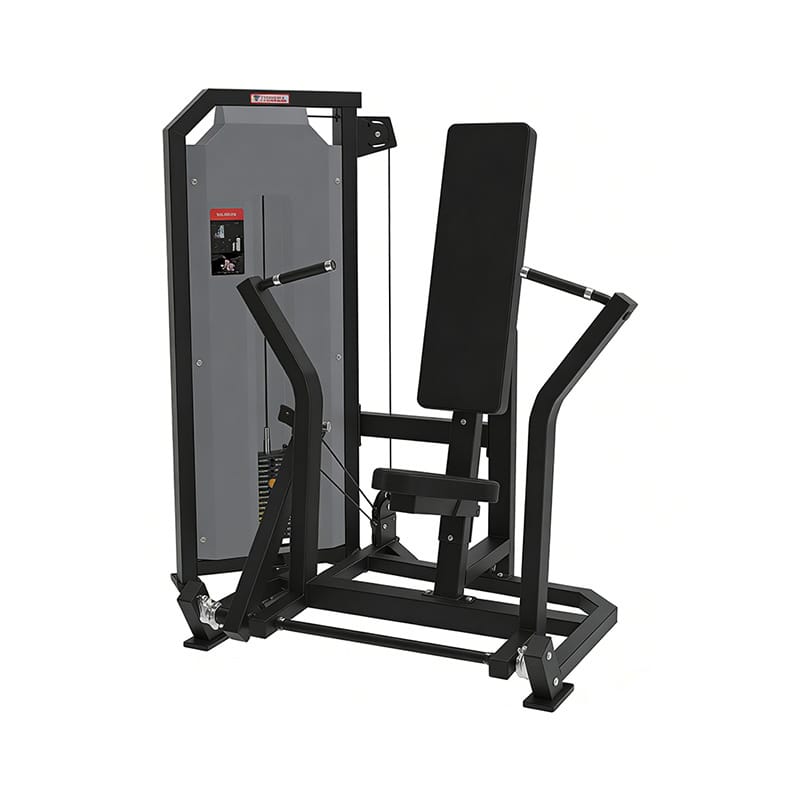
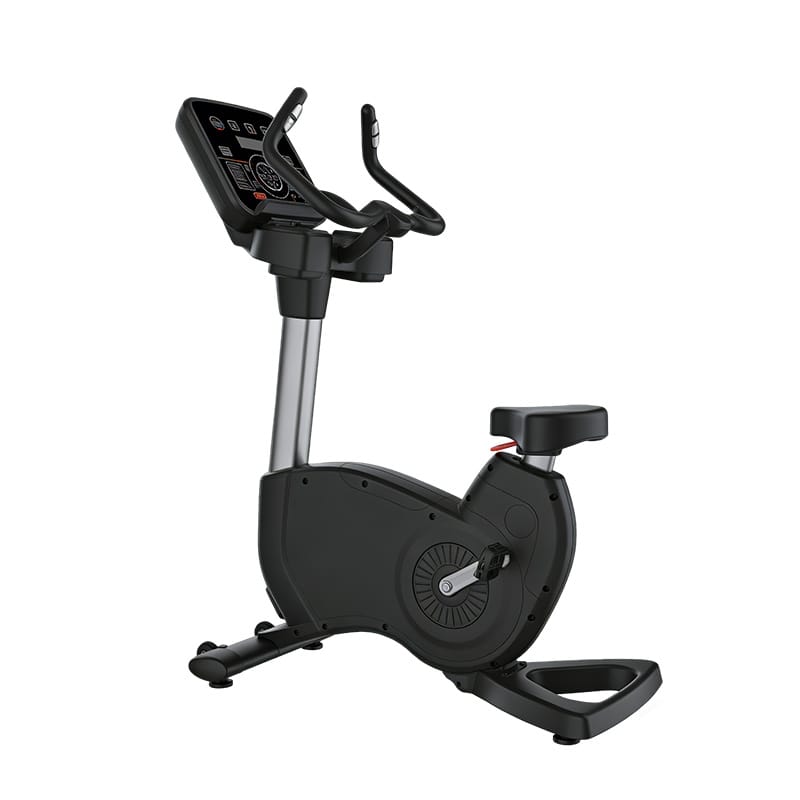
Conduct a controlled functional check before member access. For powered cardio units, review startup, controls, emergency stops, speed or resistance changes, displays, noise, and shutdown. For strength machines, review stability, pins, adjustment locks, cables, pulleys, guards, range of motion, and storage points. Record results in the commercial gym equipment relocation checklist.
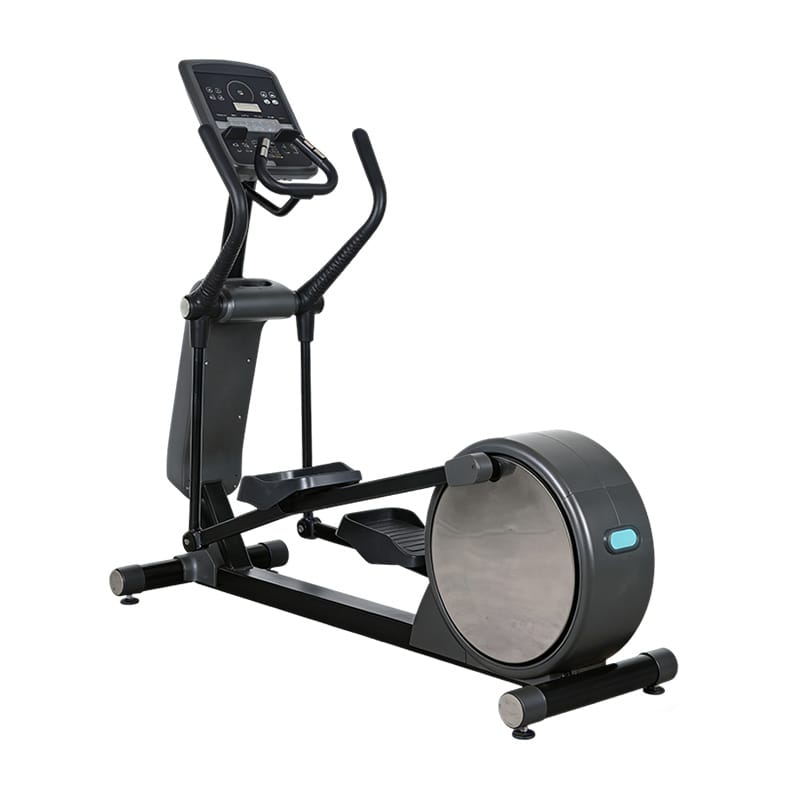
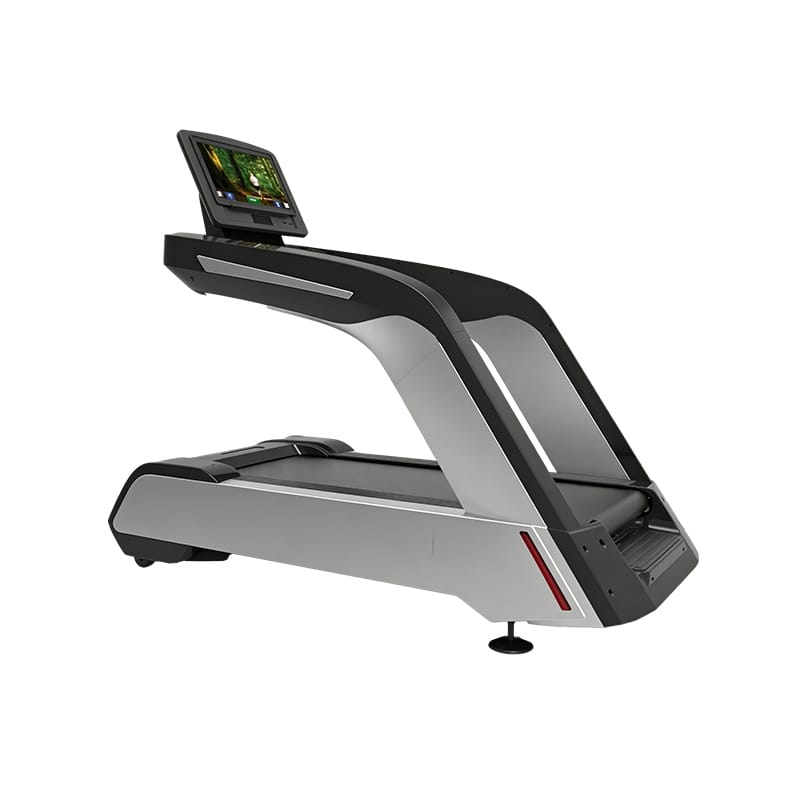
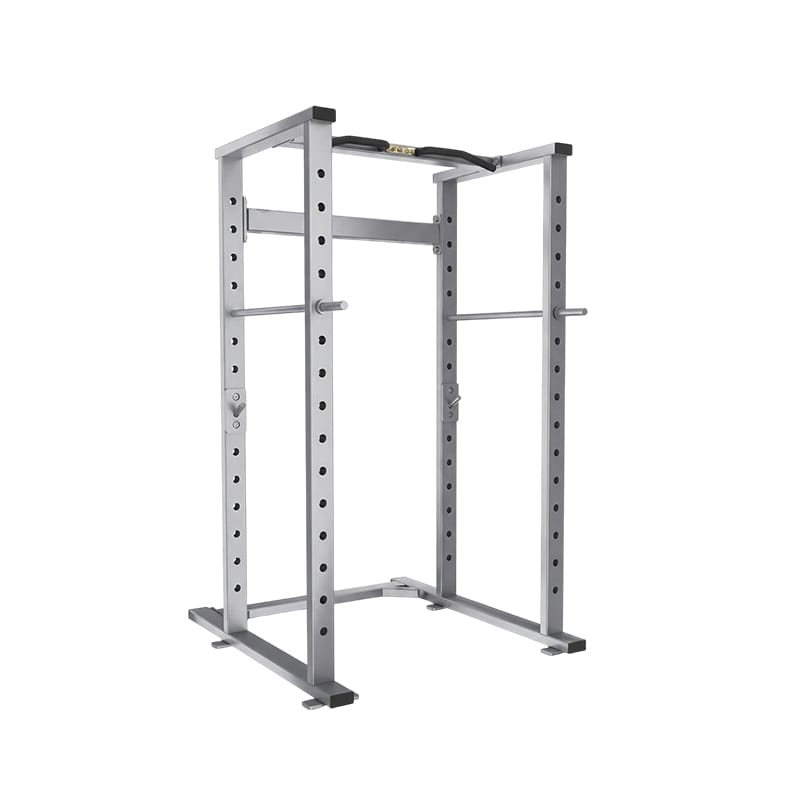
Use the commercial gym equipment handover checklist as the acceptance bridge between the relocation team and facility operations. Review the relevant aerobic equipment and strength equipment categories when preparing model-specific sheets.
Close Open Items and Update Facility Records
A commercial gym equipment relocation checklist needs a clear defect process. Classify each item as accepted, rejected, pending, or not applicable. If safe operation is uncertain, isolate the equipment, prevent member access, and assign closure to an authorized person.
Update the asset register, floor plan, service location, emergency information, cleaning route, inspection schedule, and staff orientation materials. The commercial gym equipment relocation checklist should state who approved each update and where the final record is retained.
Before reopening the area, walk the floor from a member’s perspective. Confirm circulation, sightlines, storage, adjustment space, warning labels, cleaning access, and emergency routes. Then obtain final acceptance signatures for the relocation scope and list any work that remains excluded.
Commercial Gym Equipment Relocation FAQ
Can facility staff move equipment themselves?
Only when the task, equipment instructions, workplace rules, competence, route, and handling method support it. Large, powered, anchored, or complex equipment may require specialists.
Should equipment be tested before and after the move?
Yes. Use the commercial gym equipment relocation checklist to document pre-move condition and an approved post-installation functional check, helping distinguish existing defects from relocation issues.
What should happen to missing components?
Record the missing item against the correct asset, prevent use when it affects safe operation, and assign replacement or investigation responsibility.
Can a moved machine reopen immediately?
It should reopen only after every required commercial gym equipment relocation checklist item for reinstallation, inspection, functional checks, defect closure, and acceptance has been completed.
How should relocation photographs be stored?
Link them to the asset identifier and relocation record with dates and descriptive filenames, while following the organization’s privacy and retention policies.
Make the New Location Operationally Ready
A commercial gym equipment relocation checklist keeps identity, condition, components, handling, reinstallation, testing, and acceptance connected throughout a move. It reduces ambiguity without replacing competent technical judgment.
Review the commercial gym equipment relocation checklist before shutdown and again before reopening. Explore Corexo commercial fitness equipment or contact Corexo when planning equipment documentation for a commercial fitness project.