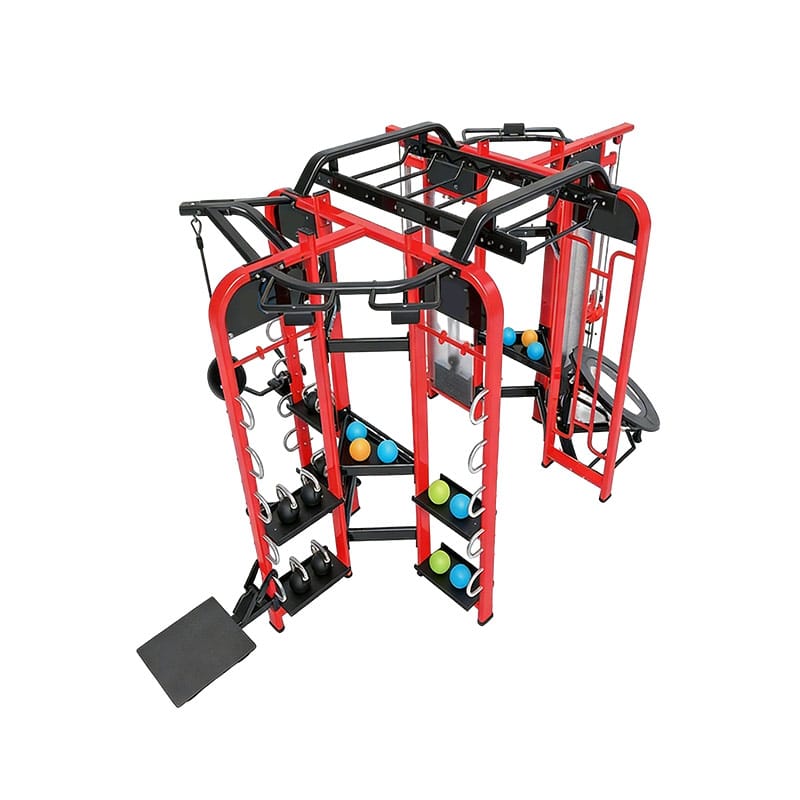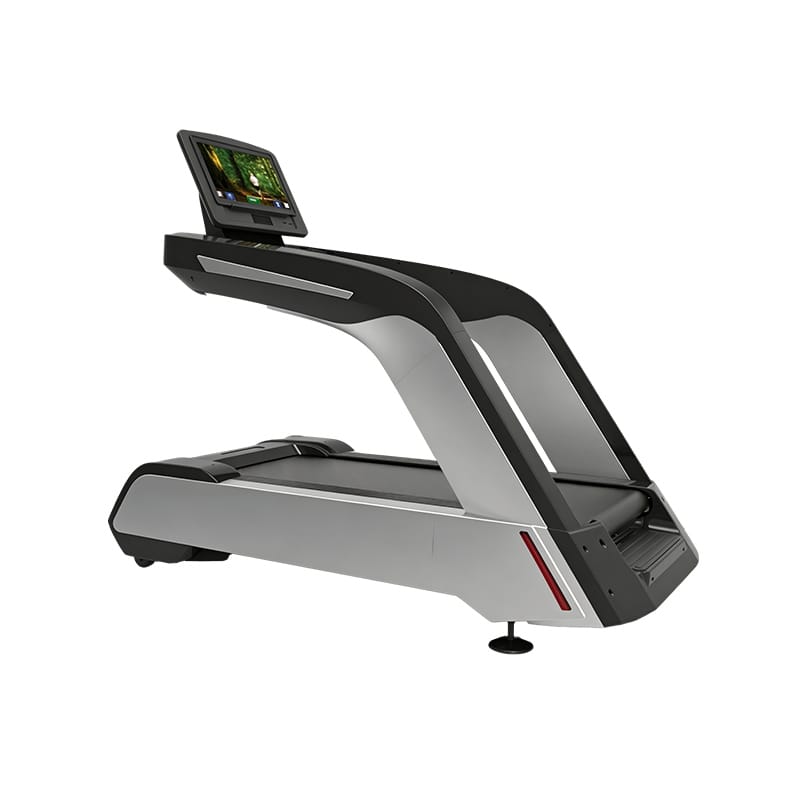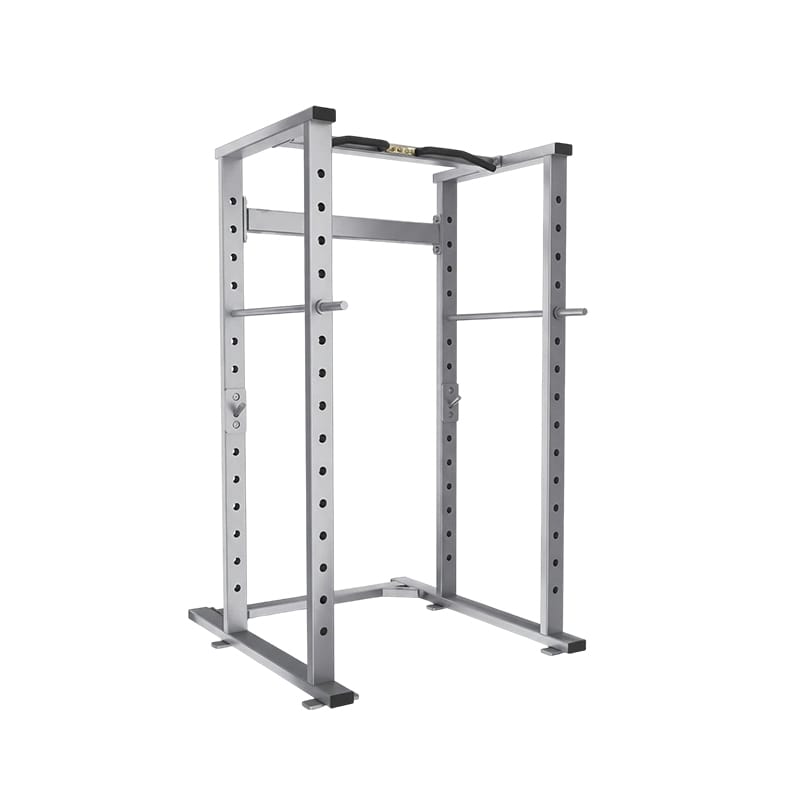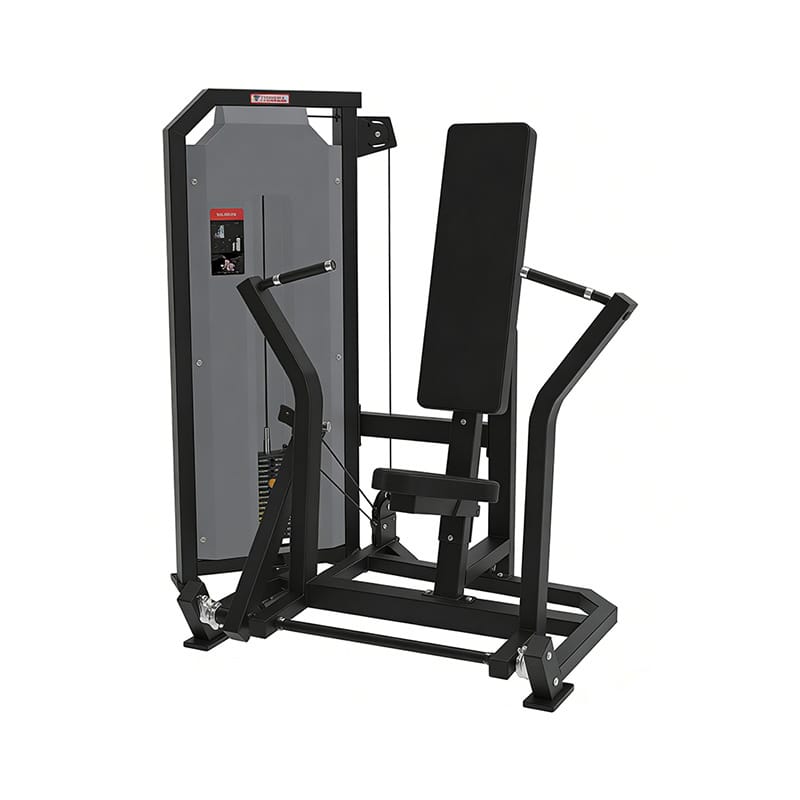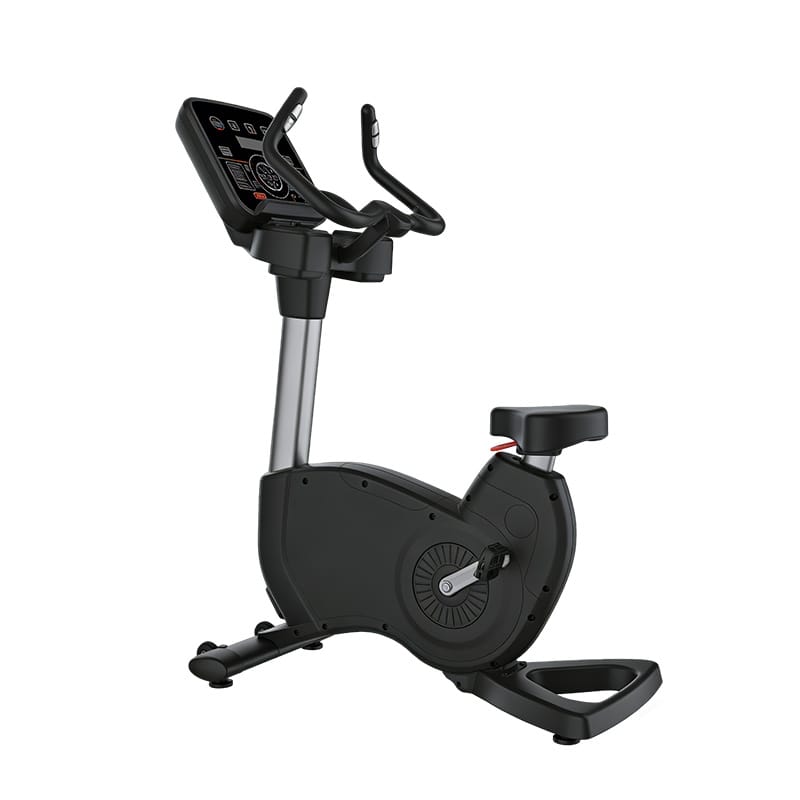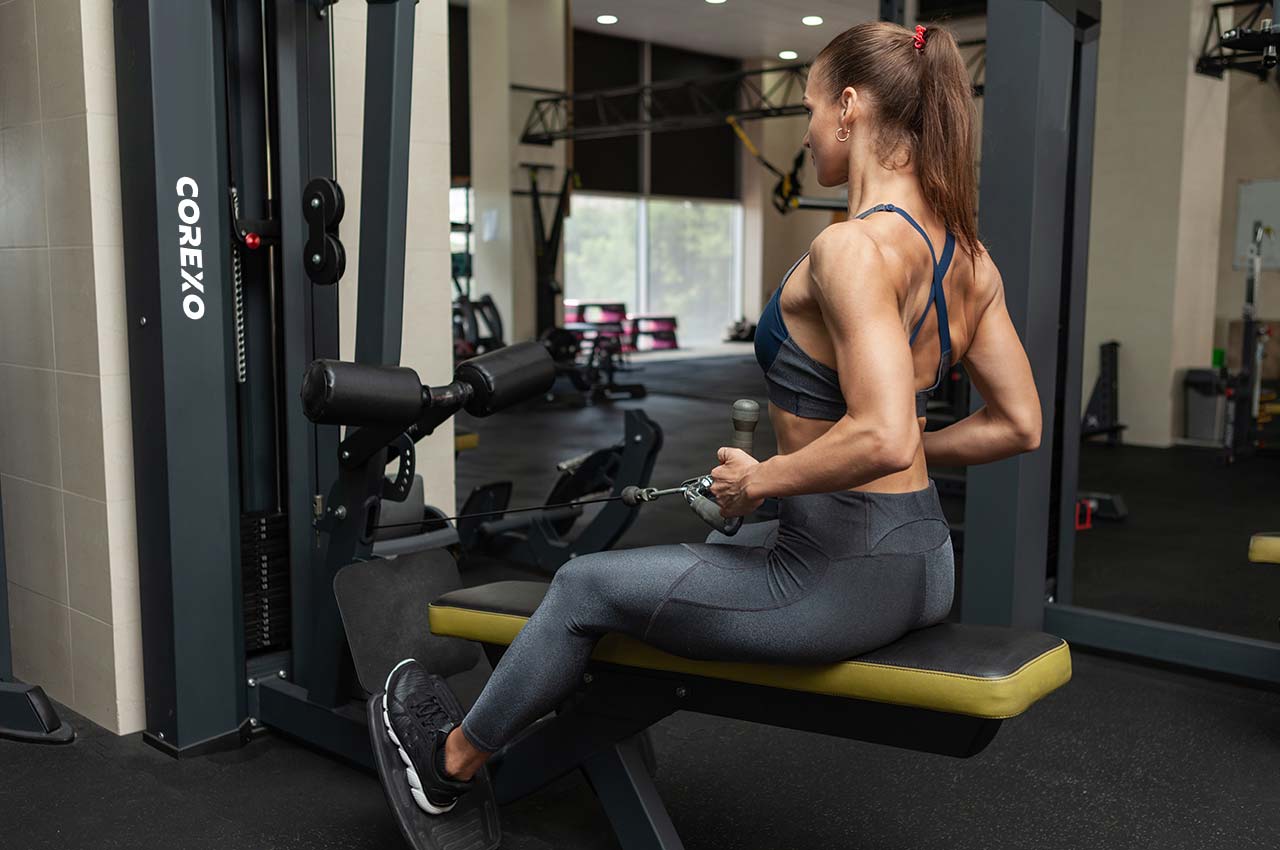
A commercial gym equipment package should be selected as part of a complete facility plan, not as an isolated catalog item. Commercial buyers must connect user demand, programming, floor capacity, safety, maintenance, delivery, and lifecycle cost. This guide turns those questions into a practical purchasing framework for gym owners, distributors, architects, and project teams.
Ubersuggest reports approximately 210 monthly searches for “commercial gym equipment package.” That demand reflects a real buyer need: understanding what to specify before requesting a quotation. The right decision begins with the operating brief and ends with documented acceptance after installation.
Commercial Role and Use Case
The main role of this equipment is coordinated cardio, strength, free-weight, functional, accessory, and support equipment procurement. Define the intended members, training methods, peak occupancy, supervision level, and expected hours of use before comparing models. A hotel fitness room, membership club, corporate wellness center, and performance facility may use similar equipment but require very different capacity, durability, and support.
Translate the program into measurable requirements. Estimate sessions per day, likely concurrent users, exercise changeover frequency, accessibility needs, and the experience level of the target audience. Separate essential functions from optional variety. This prevents buyers from paying for complexity that staff cannot support or selecting a unit that creates queues during busy periods.

Buyer Evaluation Checklist
Start with the movement or station mix, then examine adjustment logic and user transitions. For Corexo commercial equipment portfolio, relevant review points include cardio-strength balance, station counts, user profiles, peak-time capacity, duplicate demand, accessories, installation scope, spare parts, and documentation. Test the complete user journey: approach, setup, exercise, attachment change, exit, and reset for the next member.
- Confirm that intended exercises match the programming brief and target user groups.
- Check adjustment labels, start positions, grip options, and increment visibility from normal user positions.
- Review pinch points, cable or linkage paths, guards, stops, and any areas requiring staff instruction.
- Measure the realistic operating envelope with a person using the longest movement path.
- Record included attachments, optional accessories, storage locations, and replacement availability.
A product demonstration should use representative users rather than only an experienced salesperson. Observe shorter and taller users, beginners, and people who may need extra transfer space. Note whether common adjustments are intuitive and whether staff can explain safe setup consistently. Use the same scoring sheet for every shortlisted model so attractive styling does not outweigh operating fit.
Layout, Access, and Capacity
Manufacturer dimensions describe the frame, not the full planning zone. Add entry routes, moving components, user reach, attachment swings, spotting or coaching space, and service access. Place the equipment on a scaled plan and test circulation under peak conditions. The U.S. Access Board guidance on clear floor space and turning space is a useful planning reference, while project-specific accessibility requirements should be confirmed by the responsible design professional.
Keep required routes clear and avoid allowing benches, handles, plates, or personal items to migrate into circulation. Coordinate the equipment zone with columns, mirrors, doors, emergency routes, HVAC outlets, lighting, and cleaning access. OSHA’s walking-working surfaces rule reinforces the need to maintain orderly, sanitary passageways in workplaces.
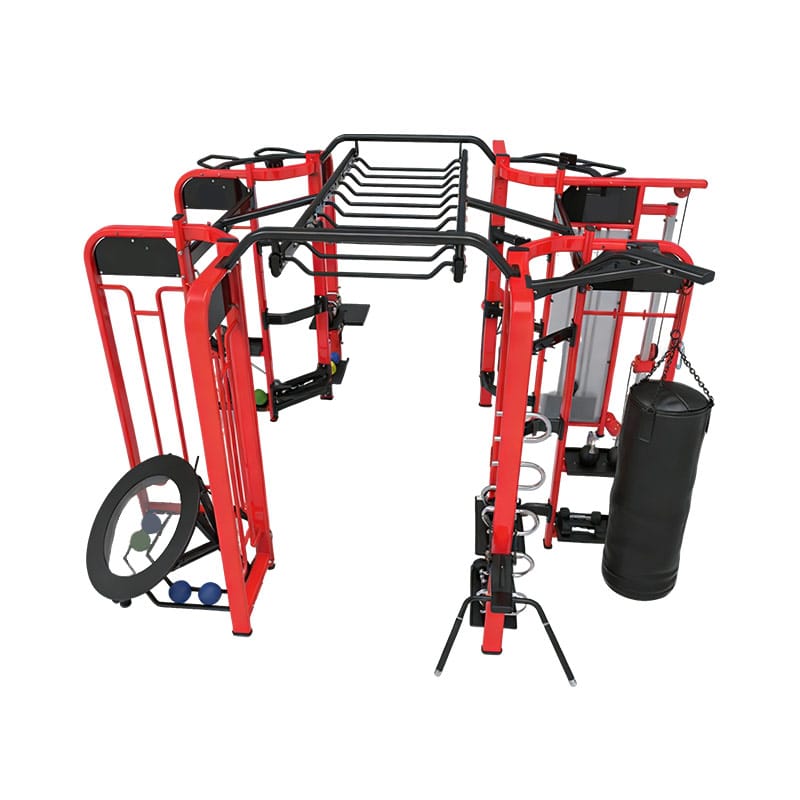
Capacity must be planned from demand, not from nominal station count alone. Estimate how long a typical user occupies each function, how many exercises are programmed there, and whether one user blocks another. When demand is concentrated, duplicate a high-use function or pair it with complementary equipment. A compact frame can still create a large operating footprint if users approach from several sides.
Construction, Documentation, and Serviceability
Commercial fitness equipment should arrive with clear specifications, installation instructions, maintenance guidance, warranty terms, and a parts pathway. Review the manufacturer’s stated compliance and test basis. ISO 20957-1 provides general safety requirements and test methods for stationary training equipment; buyers should ask which standards apply to the exact model and configuration being offered.
Inspect frame joints, contact surfaces, upholstery or grips, adjustment hardware, fasteners, bearings, cables, pulleys, guards, labels, and finish quality as applicable. Service personnel need realistic access to wear components without moving multiple machines. Ask for exploded diagrams, part identifiers, preventive-maintenance intervals, recommended lubricants, inspection criteria, and expected lead times for common replacement items.
Warranty length alone is not a service plan. Clarify who performs diagnosis, who pays travel and labor, which components are excluded, and what evidence is required for a claim. Confirm electrical or anchoring requirements when relevant. The ACSM Health/Fitness Facility Standards and Guidelines overview is also a useful reference for broader facility risk-management responsibilities.
Procurement, Delivery, and Acceptance
Issue a written request for quotation that fixes scope and makes bids comparable. Include model and configuration, color, upholstery, included attachments, freight terms, delivery route constraints, unloading responsibility, assembly, positioning, anchoring if required, packaging removal, commissioning, training, documents, warranty, spare parts, and taxes. Link this work to a commercial gym equipment procurement checklist.
- Approve a product data sheet and layout before placing the order.
- Document door, elevator, corridor, floor-loading, and staging constraints.
- Define factory, dispatch, receiving, assembly, and final acceptance checkpoints.
- Require serial numbers, manuals, maintenance schedules, and warranty contacts at handover.
- Keep a written punch list with owners and closeout dates for every exception.
At receiving, compare quantities and packages with the shipping documents before signing. Photograph damaged packaging, identify shortages, and quarantine questionable items. The receiving inspection checklist helps structure that record. After assembly, verify stability, fasteners, adjustment travel, movement quality, labels, accessories, finish, and actual placement against the approved plan.
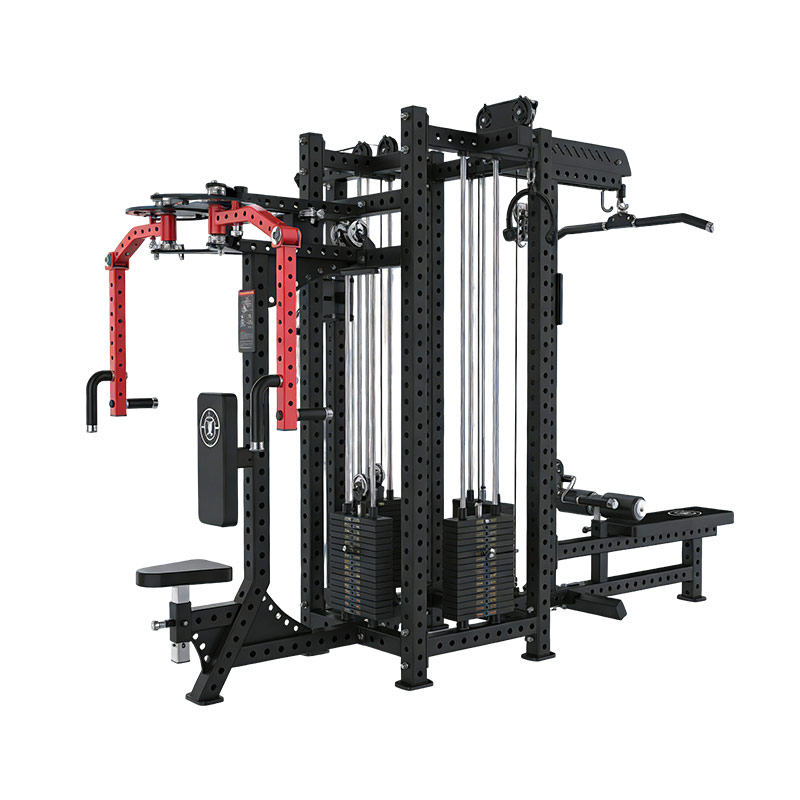
Operations and Lifecycle Planning
Create an equipment register from day one. Record model, serial number, location, installation date, warranty period, supplier contact, service history, and critical spare parts. Assign inspection frequencies according to manufacturer instructions, usage, environment, and observed wear. Use a service log checklist so corrective work remains traceable.
Daily staff checks should identify loose hardware, damaged upholstery or grips, abnormal movement, frayed cables, missing pins, unreadable labels, unstable accessories, contamination, and obstructed circulation. Faulty equipment should be removed from use through a clear lockout and escalation process. Cleaning methods must be compatible with the manufacturer’s materials; use the equipment cleaning checklist to align housekeeping and maintenance.
Evaluate ownership cost across the planned life of the asset. Include freight, installation, floor protection, preventive maintenance, wear parts, staff time, downtime, and eventual replacement—not only the purchase price. Standardizing selected components across a facility may reduce parts inventory and training complexity, but only when the standardized choice still fits users and programming.
Frequently Asked Questions
What should buyers confirm first?
Confirm the programming brief, intended users, peak demand, available operating envelope, and service support. These decisions determine the suitable configuration more reliably than appearance or headline specifications.
How much floor space is required?
Use the manufacturer’s frame dimensions as a starting point, then add user movement, entry, adjustments, accessories, circulation, accessibility, cleaning, and maintenance zones. Verify the result on a scaled project drawing.
Which documents should be requested?
Request specifications, installation instructions, user guidance, maintenance schedules, warranty terms, parts information, applicable compliance statements, serial-number records, and commissioning documents.
How should competing quotations be compared?
Normalize the scope before comparing price. Confirm the same accessories, freight, installation, training, warranty, spare parts, documentation, and acceptance obligations are included in every bid.
Where can a buyer request project support?
Review the Corexo commercial equipment portfolio, browse Corexo commercial fitness equipment, and contact Corexo with the project brief, layout, quantity, destination, and required delivery schedule.
Conclusion
A successful commercial gym equipment package purchase aligns equipment function with people, space, operations, and service. Write the brief, verify the operating envelope, compare equivalent scope, inspect delivery, and keep maintenance evidence. For a coordinated proposal, send Corexo your facility type, target users, floor plan, expected volume, destination, and opening date.