Commercial Gym Equipment Storage Checklist: Contents
- Define storage zones
- Store free weights
- Control accessories
- Separate spares and chemicals
- Manage out-of-service equipment
- Inspect and improve storage
- Frequently asked questions
A commercial gym equipment storage checklist helps facility teams keep weights, bars, attachments, mats, accessories, cleaning supplies, spare parts, and out-of-service equipment in defined locations. Good storage supports clear circulation, faster inspections, accurate inventories, and a floor that members and staff can use without avoidable obstruction.
This commercial gym equipment storage checklist is intended for commercial gyms, hotels, apartments, offices, schools, and training centers. Adapt it to manufacturer instructions, the approved layout, local fire and accessibility rules, workplace requirements, member behavior, and the actual equipment mix.
Define Storage Zones Around Real Workflows
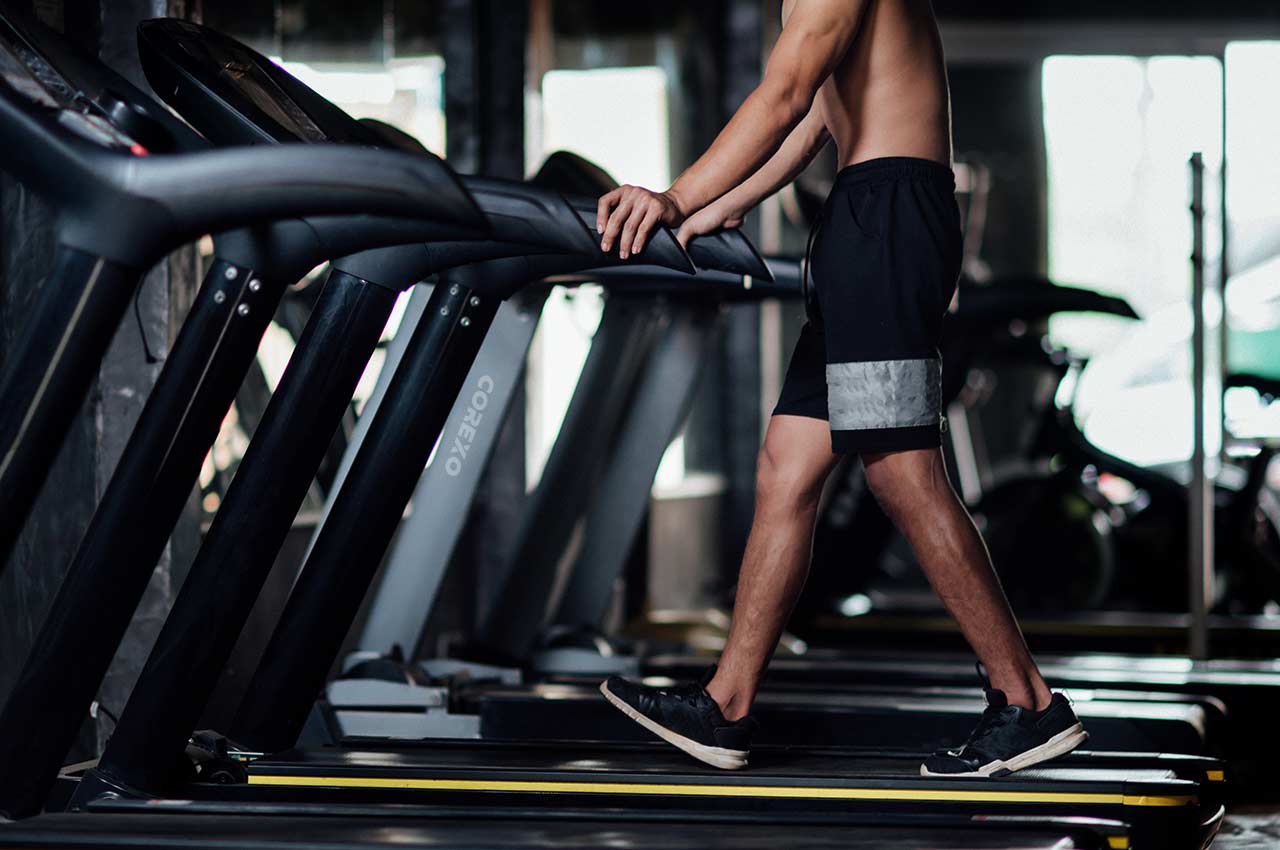
Begin the commercial gym equipment storage checklist by mapping what is stored, who uses it, how often it moves, and where it must return. Separate member-accessible items from staff-only supplies, technical parts, chemicals, deliveries, waste, and equipment awaiting service.
A storage position should not block entrances, emergency routes, electrical panels, ventilation, member circulation, equipment adjustments, or cleaning access. The OSHA walking-working surfaces resources provide general U.S. workplace context on keeping passageways and working surfaces orderly. Apply the rules that govern the actual facility.
Use the commercial gym equipment storage checklist with the commercial gym equipment layout guide. Mark storage footprints on the plan rather than placing racks only after every machine is installed. Include space for safe retrieval, return, cleaning, and inspection.
- Member-accessible free weights and accessories
- Class equipment and mobile training tools
- Staff cleaning equipment and approved consumables
- Technical spares, tools, manuals, and service records
- Incoming deliveries and unpacking materials
- Isolated equipment and parts awaiting authorized decisions
Store Free Weights, Bars, and Plates Predictably
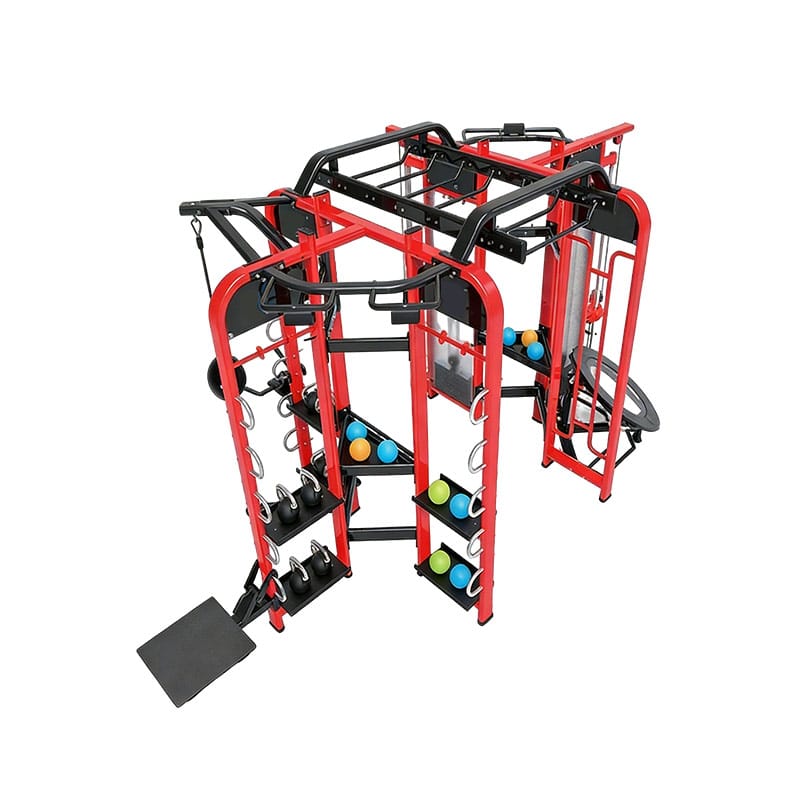
A commercial gym equipment storage checklist should give every dumbbell, kettlebell, plate, bar, collar, and adjustable component a stable location. Match storage equipment to the size, shape, and intended load of the items. Do not improvise shelves, hooks, or pegs that were not designed for the purpose.
Place frequently used items where members can retrieve them without excessive reaching, twisting, or crossing another exercise station. Keep heavy items in positions that support controlled handling. The NIOSH lifting equation resources describe factors affecting certain two-handed lifting tasks, but facility teams still need a site-specific assessment for varied gym equipment.
| Item group | Storage control | Daily check |
|---|---|---|
| Dumbbells and kettlebells | Dedicated, load-appropriate rack | Correct position and stable rack |
| Weight plates | Compatible horns or plate trees | Balanced loading and clear access |
| Bars | Purpose-designed horizontal or vertical holder | No protrusion into circulation |
| Small accessories | Labeled bin, hook, or compartment | Count, condition, and dry storage |
The commercial gym equipment storage checklist should also specify what staff do when a rack is full, damaged, unstable, or being used incorrectly. Overflow on the floor is not an acceptable permanent storage method. Record the issue and adjust capacity or the equipment mix.
Control Attachments, Mats, and Mobile Accessories
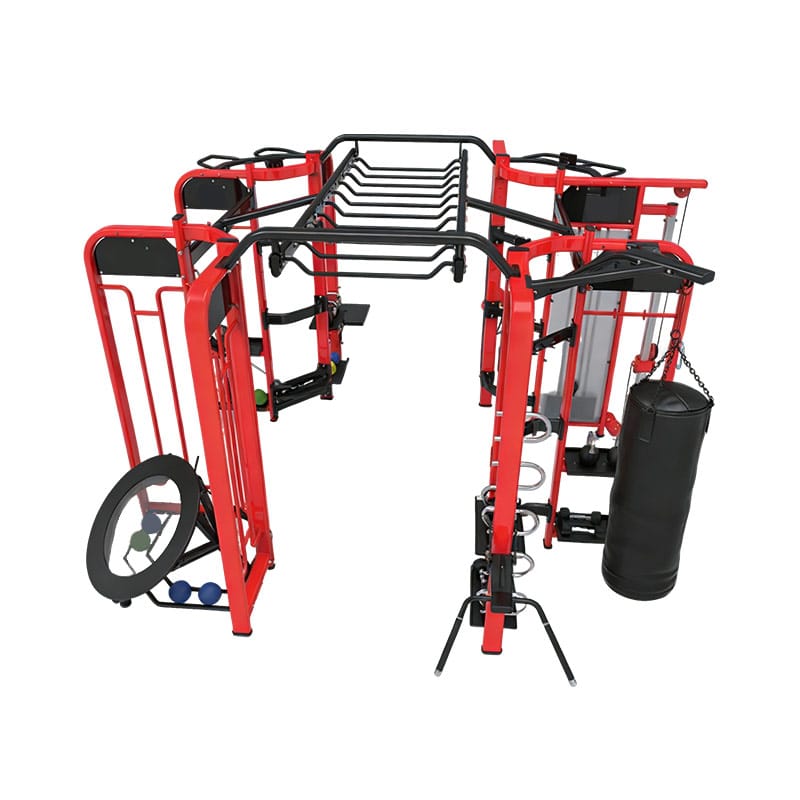
Include handles, ropes, straps, bands, pins, steps, mats, rollers, medicine balls, and class accessories in the commercial gym equipment storage checklist. Small items cause recurring floor disorder when nobody owns the count, storage location, or return process.
Store attachments close to compatible equipment without placing them inside moving mechanisms or across access routes. Labels can show the equipment family, permitted location, and expected quantity. Avoid claims that an accessory is universally compatible; follow the relevant product instructions.
Mats and textile items should be dry before stacking or rolling. The CDC guidance for athletic facilities recommends cleaning shared equipment and avoiding shared personal items in the context of skin-infection prevention. Connect the commercial gym equipment storage checklist to the facility’s commercial gym equipment cleaning checklist.
Use issue-and-return controls for staff-only accessories or items that regularly disappear. A simple location code and count can be more reliable than a complex inventory system that employees do not maintain. Review missing or damaged items during the commercial gym equipment storage checklist inspection.
Separate Technical Spares, Tools, and Chemicals
A commercial gym equipment storage checklist must distinguish member equipment from maintenance stock. Keep model-specific cables, belts, pins, fasteners, upholstery components, lubricants, electrical parts, manuals, and service tools in a controlled staff area with useful identification.
Record part numbers, compatible models, quantity, receipt date where relevant, and the person authorized to issue an item. Do not fit a spare merely because its dimensions appear similar. Link stock records to the equipment maintenance checklist and service history.
Chemicals require their own controls. The OSHA Hazard Communication resources explain U.S. employer responsibilities relating to labels, Safety Data Sheets, and employee information and training. The commercial gym equipment storage checklist should identify approved storage, incompatible materials, protective equipment, spill procedures, and restricted access according to applicable requirements.
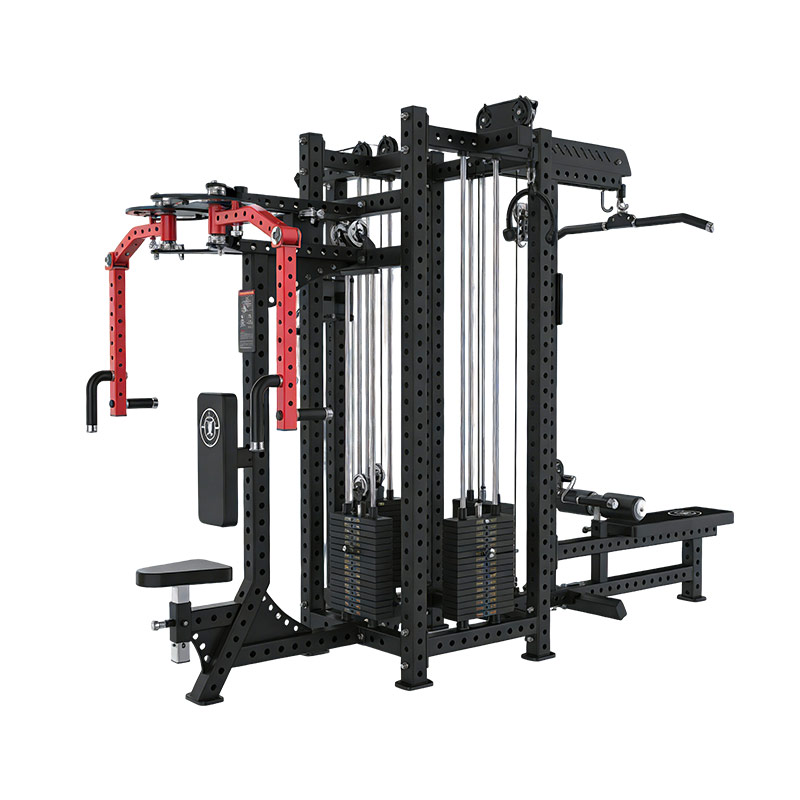
Manage Out-of-Service Equipment and Removed Parts
Never let a storage room become an undocumented holding area for damaged equipment. The commercial gym equipment storage checklist should identify the asset, reported condition, isolation date, responsible person, intended decision, and target review date.
Prevent members and unauthorized staff from using or removing isolated items. Store dismantled components so they cannot fall, roll, expose sharp edges, or be mistaken for approved spares. If powered equipment is involved, follow applicable isolation procedures and use qualified personnel.
Accurate model information supports later safety checks. The U.S. Consumer Product Safety Commission recalls page is one example of an authoritative source used to review published recall information. Add the model, serial or asset number, and document location to the commercial gym equipment storage checklist.
When equipment will be relocated or returned to service, use the commercial gym equipment relocation checklist and commercial gym equipment handover checklist to control movement, reinstallation, functional checks, and acceptance.
Inspect Storage and Correct Recurring Problems
Assign daily floor resets and periodic documented reviews in the commercial gym equipment storage checklist. A daily check can focus on misplaced items and blocked access; a periodic review can assess rack condition, capacity, labels, inventory accuracy, moisture, housekeeping, and repeated behavior.
- Storage racks remain stable and visibly undamaged.
- Loads stay within the intended rack configuration.
- Items do not project into walking or exercise space.
- Emergency, electrical, and service access remains clear.
- Accessories are clean, dry, counted, and returned.
- Technical stores and chemicals remain restricted.
- Out-of-service items have current labels and owners.
Investigate patterns rather than repeatedly moving the same items. A return point may be too far away, too small, poorly labeled, difficult to use, or incompatible with the member workflow. Update the commercial gym equipment storage checklist and layout when the evidence shows a design problem.
Commercial Gym Equipment Storage FAQ
How often should storage be inspected?
Use frequent floor resets plus a documented commercial gym equipment storage checklist interval based on usage, equipment type, member behavior, staffing, and observed problems.
Can spare parts be stored beside member accessories?
Technical parts and tools should normally remain in controlled staff storage so they are identified, issued, and fitted only by authorized people.
What should staff do when a storage rack is full?
Stop using the floor as overflow storage. Review capacity, inventory, layout, and the equipment mix, then provide an approved solution.
Should damaged accessories remain in their normal location?
No. Identify, isolate, record, and route them through the facility’s defect process so they cannot return to use accidentally.
Who owns the storage checklist?
A facility manager should approve the commercial gym equipment storage checklist, while named floor, cleaning, and technical roles complete the checks relevant to their work.
Make Correct Storage the Easy Default
A commercial gym equipment storage checklist works when every item has a suitable location, access remains clear, responsibilities are defined, and recurring problems lead to layout or capacity improvements.
Review the commercial gym equipment storage checklist with staff and update it as the equipment mix changes. Explore Corexo commercial fitness equipment or contact Corexo when planning an organized commercial fitness space.