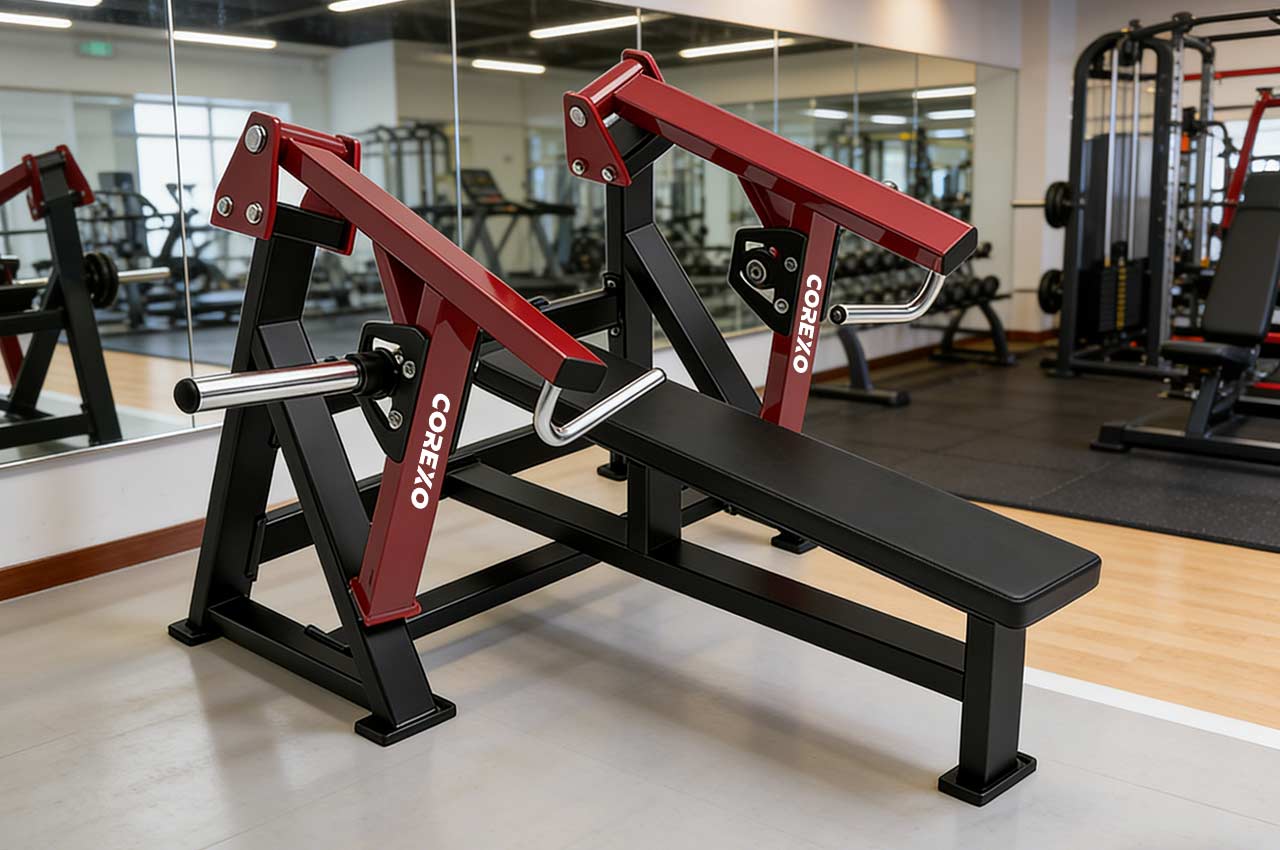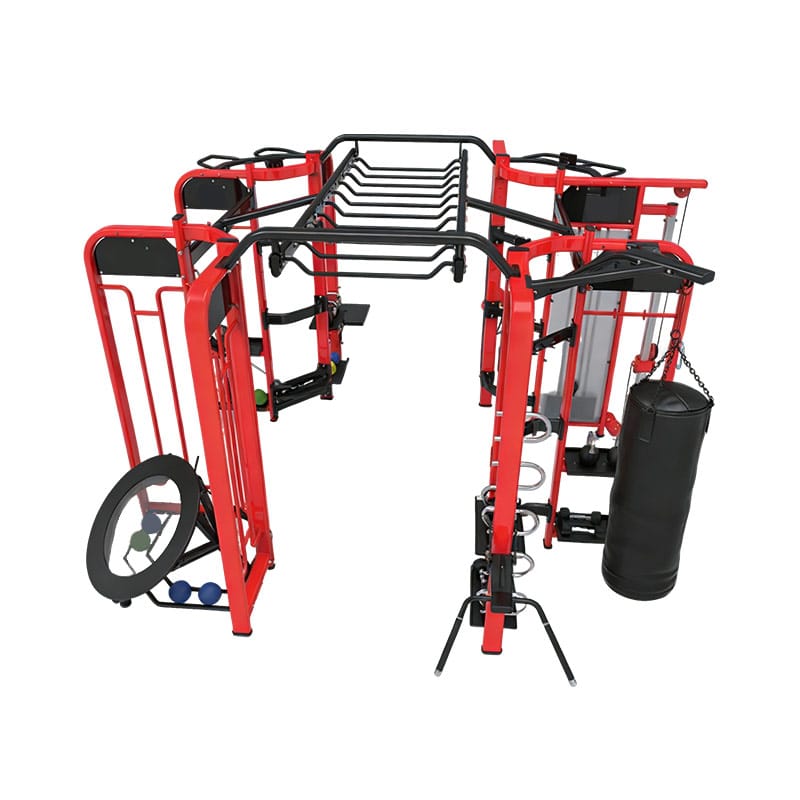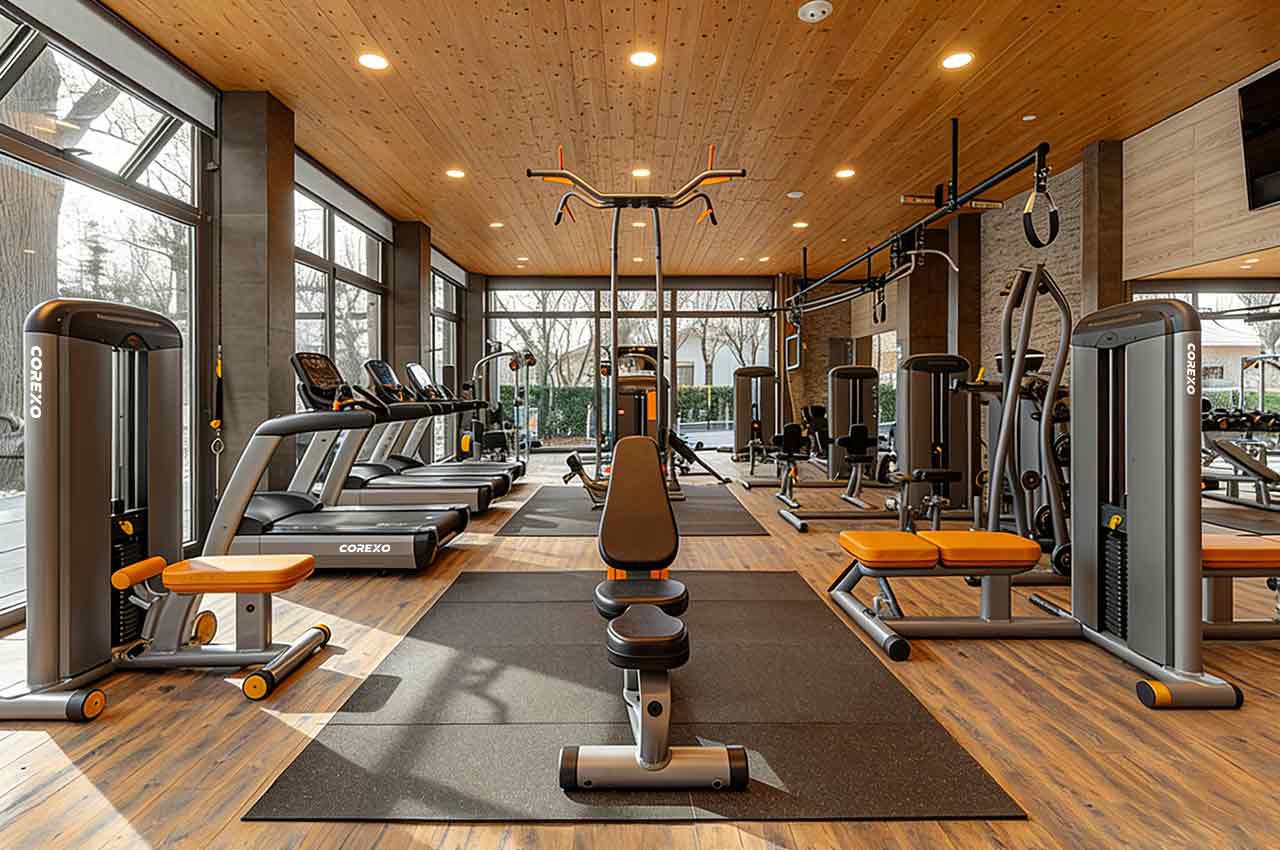
In most commercial fitness spaces, equipment decisions tend to focus on large machines, flooring layouts, or training zones. Yet in practice, one of the most frequently used and most structurally stressed pieces is the weight training bench.
It looks simple on the surface, but in real gym environments, it quietly carries a heavy workload every day—different users, different training styles, and constant movement between stations. Over time, this is exactly where differences in design, materials, and manufacturing standards become very obvious.
This article takes a practical approach to what actually matters when selecting a bench for commercial use, especially from a manufacturing and long-term operation perspective.
Table of Contents
Commercial Gym Reality: Why Bench Quality Becomes a Daily Issue
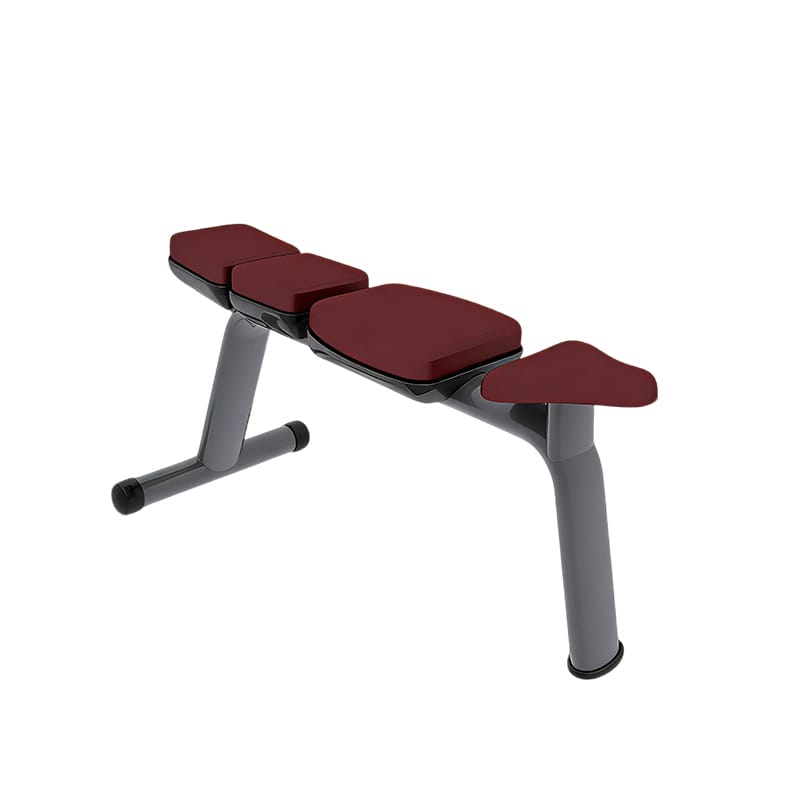
Walk into any busy gym during peak hours and the pattern is always the same: benches are constantly in use, rarely empty, and often under uneven loading conditions.
A weight training bench in this environment is not just supporting exercises—it is absorbing repetitive impact, quick adjustments, and high-frequency transitions.
From an operational standpoint, the real challenges usually come from:
- Frame stability after long-term use
- Cushion deformation under repeated pressure
- Wobbling during incline adjustments
- Wear at pivot and joint points
- Surface fatigue in high-contact areas
These issues do not appear immediately, which is why many buyers only notice the difference after the equipment has been in use for a while.
Understanding What “Commercial Grade” Really Means
The term “commercial grade” is often used loosely, but in actual manufacturing terms, it is defined by structural expectations rather than appearance.
A properly designed commercial weight training bench typically focuses on:
- Load distribution rather than just load capacity
- Structural geometry that prevents lateral movement
- Reinforced welding points instead of basic frame assembly
- Consistent material thickness across all load-bearing sections
- Long-cycle durability under repeated daily use
In other words, the design is not optimized for one-time strength—it is built for repetition over time.
Bench Structure Breakdown: What Actually Impacts Performance
Instead of looking at the bench as a whole product, it is more practical to break it into functional systems.
Frame System
The steel frame determines how the bench behaves under load. Small differences in tubing thickness or joint design often translate into noticeable stability differences during pressing movements.
Adjustment System
For adjustable models, the incline mechanism is a key stress point. Poor alignment here can lead to uneven positioning or long-term loosening.
Cushion System
Padding is not just about comfort. Density and rebound behavior directly affect training control and posture stability.
Base Contact System
The way the bench interacts with the floor influences safety more than most users realize. Anti-slip design becomes critical in high-traffic environments.
Types of Weight Training Bench Used in Real Gym Layouts
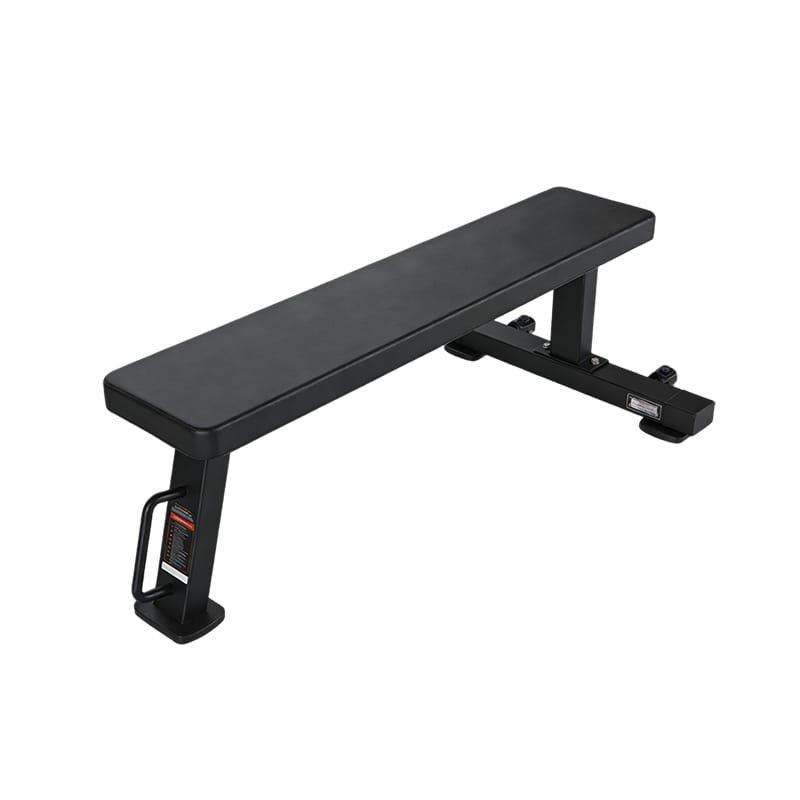
In actual gym planning, benches are rarely selected in isolation. They are matched with training zones.
Flat Bench
Used where simplicity and stability are prioritized. Often placed in high-traffic strength zones.
Adjustable Bench
Common in general training areas. Supports multiple movement patterns without changing equipment.
Integrated Rack Bench
Used in structured lifting zones where barbell training is the focus.
Compact Folding Bench
Typically used in smaller facilities or secondary training spaces where flexibility matters.
Multi-Purpose Training Bench Systems
Found in newer gym concepts where one unit is expected to support multiple training styles.
Adjustable vs Flat Bench: The Decision Is Not as Simple as It Looks
This comparison is often treated as a preference issue, but in commercial environments it is more about training flow.
Adjustable benches introduce flexibility but also add mechanical complexity. More moving parts usually means more maintenance points.
Flat benches remove that complexity entirely, focusing on consistent stability and predictable performance.
In practice, most professional gyms do not choose one or the other—they balance both based on training zones and user behavior.
What Gym Operators Actually Look For (Beyond Specifications)
From a procurement perspective, specifications only tell part of the story. What matters more is how the equipment behaves over time.
Experienced buyers usually focus on:
- Whether the bench stays stable after months of use
- How quickly adjustment mechanisms loosen
- Whether padding retains its shape under continuous load
- How the frame responds under uneven force
- Whether the equipment feels consistent across multiple units
These are not lab conditions—they are operational conditions.
Manufacturing Perspective: Why Production Method Changes Everything
The difference between a standard bench and a reliable commercial one often comes down to production discipline.
In a controlled manufacturing environment, the process typically follows a structured flow:
Steel cutting is executed with precision to ensure consistent geometry
Welding is reinforced at stress concentration points rather than only visible joints
Surface treatment is applied to improve corrosion resistance in high-humidity environments
Cushion materials are selected based on density and rebound behavior
Final assembly includes repeated alignment and stability checks
Each stage influences long-term performance more than most buyers initially expect.
Common Misjudgments in Equipment Selection
A large portion of equipment issues in commercial gyms comes from early selection mistakes rather than usage problems.
Some of the most common include:
- Choosing equipment based mainly on visual design
- Ignoring how often the bench will actually be used
- Underestimating the impact of small structural differences
- Overlooking adjustment mechanism durability
- Treating all “strength benches” as functionally identical
Once equipment is installed, these decisions are difficult to reverse without operational disruption.
Direct Manufacturing Supply and Its Practical Impact
Working directly with a manufacturing source changes more than cost structure—it changes control over consistency.
For commercial gym projects, this usually translates into:
- More consistent product standards across batches
- Better alignment between design and actual usage
- Easier adaptation for project-specific requirements
- More stable long-term supply planning
- Reduced variation between units in the same facility
This is particularly important in multi-location gym chains or large training centers.
Long-Term Performance: Maintenance Is Part of the Design Equation
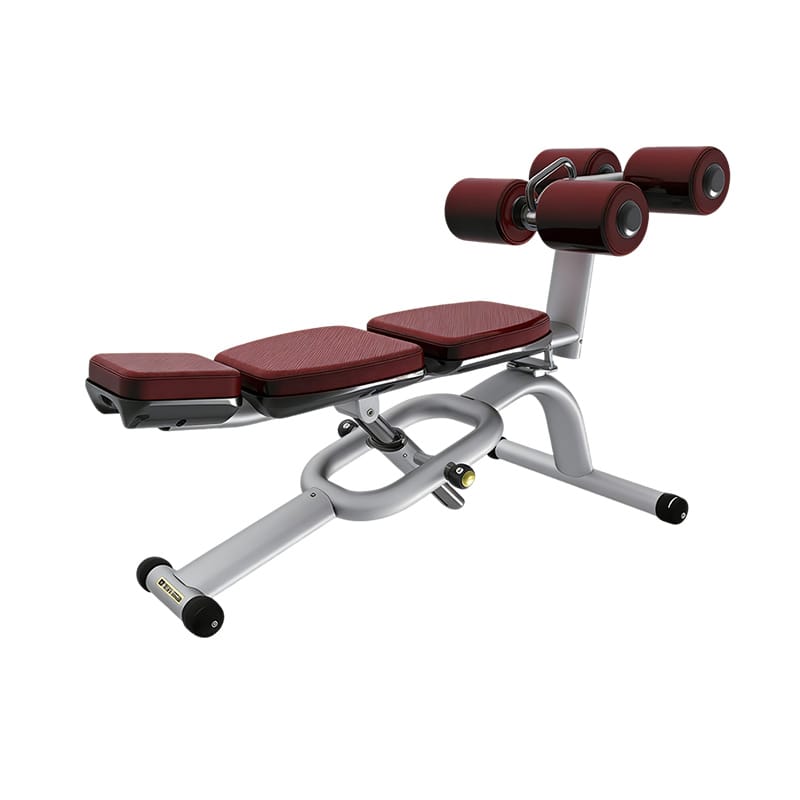
Even well-designed equipment requires basic upkeep to maintain performance consistency.
In commercial environments, maintenance usually focuses on:
- Checking structural joints at regular intervals
- Monitoring adjustment points for looseness
- Keeping cushion surfaces clean and intact
- Ensuring floor contact remains stable
- Replacing worn components before performance drops
Maintenance is less about repair and more about preserving consistency across high usage cycles.
Conclusion
A weight training bench is often underestimated because of its simple appearance. However, in commercial gym environments, it becomes one of the most frequently tested pieces of equipment in the entire facility.
The real difference between average and reliable equipment is not visible in catalog images—it shows up in long-term stability, structural consistency, and how the bench behaves after repeated daily use.
For gym operators, distributors, and project planners, the most effective approach is to evaluate equipment not just as a product, but as part of a long-term operational system. When that perspective is applied, selection becomes clearer, and performance outcomes become more predictable.
FAQ
What is a weight training bench used for in a commercial gym?
A weight training bench is used for strength exercises such as bench press, dumbbell training, incline and decline workouts, and core stability training in commercial fitness facilities.
What makes a weight training bench suitable for commercial use?
Commercial-grade benches are designed with reinforced steel frames, stable structural geometry, and high-durability materials to withstand frequent daily use in gyms.
Should a gym choose an adjustable or flat weight training bench?
Both are commonly used. Flat benches offer higher stability for heavy lifting, while adjustable benches provide more training variety for different muscle groups.
How long does a commercial weight training bench usually last?
Service life depends on usage intensity and maintenance, but a properly manufactured commercial bench can perform reliably for long-term daily gym operation when well maintained.
Why is buying directly from a manufacturer important?
Direct sourcing from a weight training bench manufacturer helps ensure consistent quality control, stable supply, and better customization options for commercial gym projects.