Table of Contents
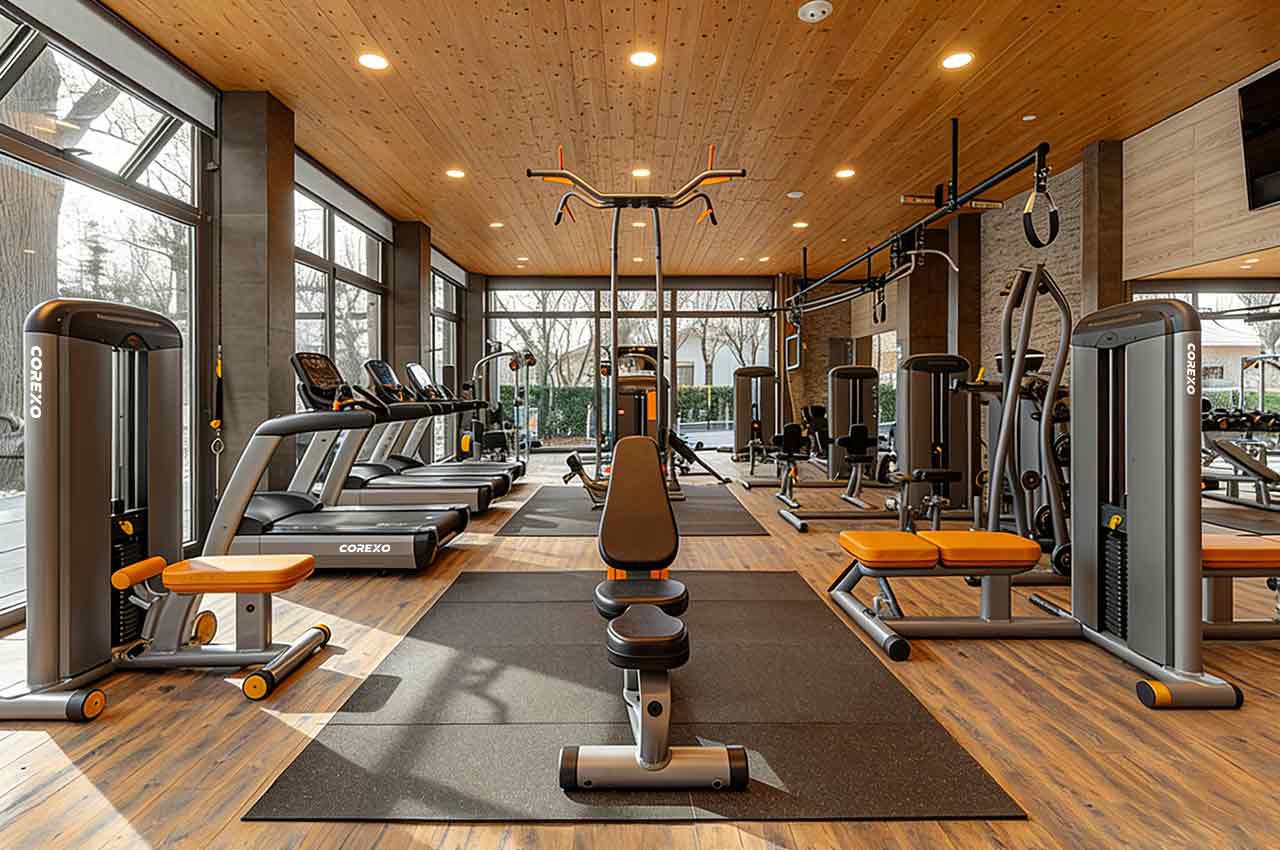
Plate loaded strength equipment is a strong choice for commercial gyms, training centers, athletic facilities, and serious strength zones. It gives users the feel of free-weight loading while keeping movement patterns more guided than a barbell-only area. For project buyers, the value of plate loaded strength equipment is not only about heavy training. It is about building a strength zone that feels durable, clear, progressive, and commercially practical.
This article explains how to choose plate loaded strength equipment for a commercial project without duplicating the role of selectorized machines, benches, racks, or free weights. It is written for gym owners, distributors, fitness chain buyers, training center managers, and facility planners who need equipment that can serve daily users and advanced lifters over the long term.
The focus is practical: where plate loaded strength equipment fits, what to check before buying, how to plan the surrounding space, and how to combine it with the rest of a complete strength area.
What Plate Loaded Strength Equipment Does Well
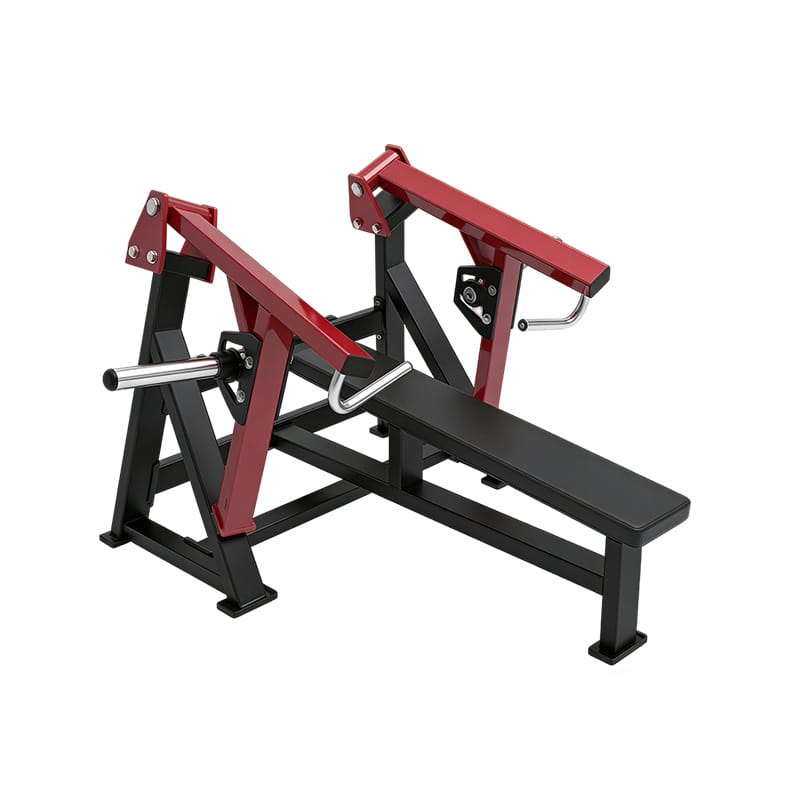
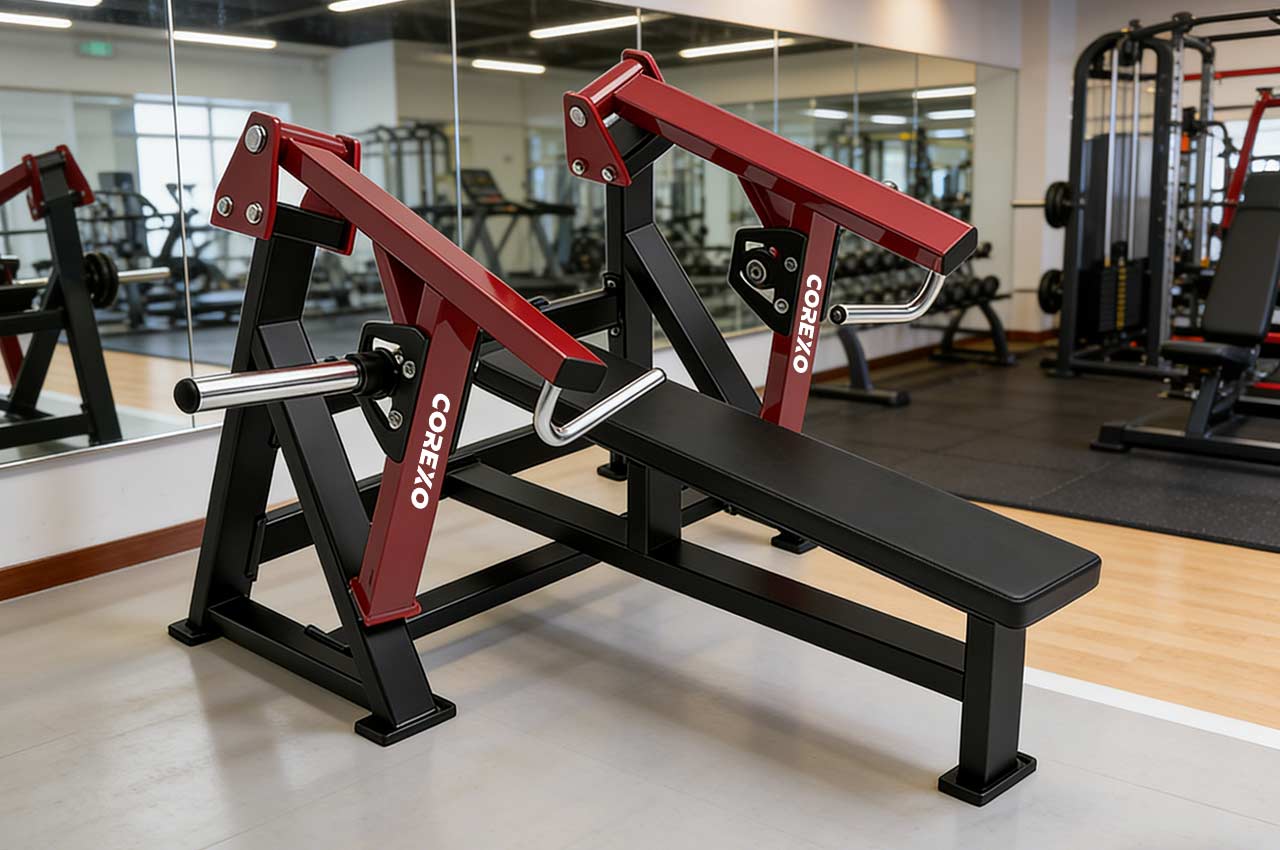
Plate loaded strength equipment is designed around external weight plates. Users adjust resistance by loading or removing plates, which makes the training experience more physical and progressive. Compared with selectorized machines, plate loaded strength equipment can feel closer to traditional strength training while still guiding the user’s movement path.
This makes it attractive for facilities that want a serious strength identity. A commercial gym may use plate loaded strength equipment to serve intermediate and advanced members. A training center may use it for focused pressing, pulling, and lower-body movements. A distributor may include it in a product portfolio for customers who want equipment that looks and feels strong. Education resources from organizations such as the National Strength and Conditioning Association can also help facility teams think more clearly about strength program quality and user progression.
The broader concept of strength training includes many equipment types, from free weights to machines. Plate loaded strength equipment occupies a useful middle ground because it can support progressive loading while offering more movement guidance than many free-weight exercises.
When Buyers Should Choose Plate Loaded Machines
Plate loaded strength equipment is most useful when the facility has users who understand basic loading, unloading, and exercise setup. It can work in general commercial gyms, but it usually performs best when the space also includes staff, trainers, signage, or a user base that is comfortable with resistance training.
For beginner-heavy hotels, small apartments, or unsupervised office gyms, selectorized machines may be easier because users can adjust resistance with a pin. For commercial gyms and training centers, plate loaded strength equipment can create a stronger training experience and support heavier progression.
Buyers planning a full strength area should compare both categories. Corexo’s commercial strength training equipment guide explains how selectorized, plate-loaded, free power, and multi-station equipment can work together.
Start With the Movement Pattern
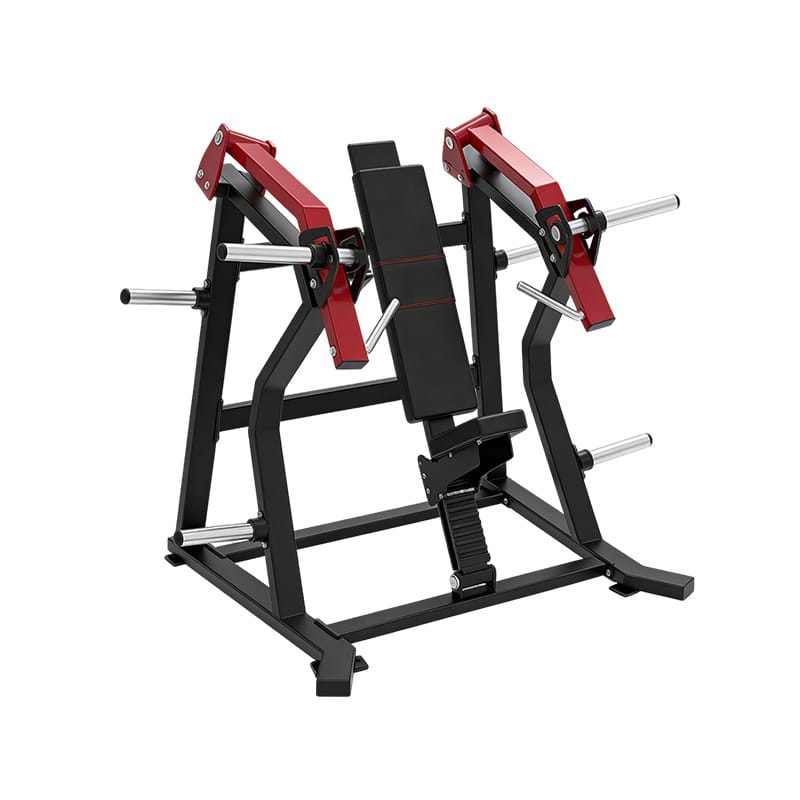
A common mistake is buying plate loaded strength equipment by product count rather than movement coverage. A useful strength zone should cover major patterns: horizontal press, incline or shoulder press, row or pull, lower-body press or squat pattern, posterior chain support, and accessory movements. The exact mix depends on the facility’s audience.
For a compact commercial gym, the buyer may choose fewer plate loaded strength equipment pieces and combine them with selectorized machines and benches. For a serious training center, the buyer may build a larger plate-loaded area with dedicated upper-body and lower-body options. The goal is not to buy every machine. The goal is to give users a logical training path.
Corexo’s strength training equipment category can help buyers compare machine families for different movement needs.
Space Planning Around Plates and User Flow
Plate loaded strength equipment requires more planning space than its footprint suggests. Users need room to approach the machine, load plates, remove plates, store plates, adjust seats or handles, and move around other lifters safely. If machines are placed too tightly, users may block walkways while loading or unloading.
The best layout places plate loaded strength equipment near plate storage and related strength tools. For example, pressing machines can sit near benches and racks, while lower-body machines may need wider clearance. Clear walking lanes help users move plates without crossing directly through exercise positions.
Safety organizations such as OSHA publish guidance around walking-working surfaces that reinforces a simple operational idea: traffic paths should remain clear. In a gym, this means plate storage and machine spacing are not cosmetic details. They affect daily safety and ease of use.
Durability Factors That Matter in Commercial Use
Plate loaded strength equipment should be evaluated by frame structure, welding consistency, pivot points, grip quality, upholstery, surface coating, weight horns, movement smoothness, and stability under uneven loading. Because users manually load plates, the machine must tolerate frequent contact, heavy handling, and repeated setup changes.
Standards bodies such as ASTM International provide a useful reminder that equipment design, testing, and safety considerations matter in public-use environments. Buyers should ask suppliers about structure, materials, inspection access, and after-sales support instead of relying only on product photos.
Maintenance should also be simple. Staff should be able to check bolts, grips, upholstery, bushings, bearings, moving arms, and plate horns during routine inspections. The easier the inspection process, the more likely it is that the facility will keep the plate loaded strength equipment in good working condition.
Plate Loaded Equipment Planning Checklist
| Planning Area | What to Check | Why It Matters |
|---|---|---|
| User level | Intermediate members, advanced lifters, coached clients, or general users | Defines whether plate loading is appropriate |
| Movement coverage | Pressing, pulling, lower body, and accessory patterns | Prevents duplicated machines and missing training needs |
| Plate storage | Weight horns, nearby trees, and clear return positions | Reduces clutter and improves safety |
| Frame quality | Structure, welds, pivots, handles, upholstery, and coating | Supports heavy commercial use |
| Spacing | Loading side clearance, walkways, and user approach paths | Makes the strength zone easier to use during busy periods |
How to Combine Plate Loaded and Selectorized Equipment
A strong commercial facility does not need to choose only one machine type. Selectorized machines are useful for beginners, circuit training, and quick adjustments. Plate loaded strength equipment is useful for users who want heavier loading, a more serious strength feel, and visible progression. Together, they can make the strength area more complete.
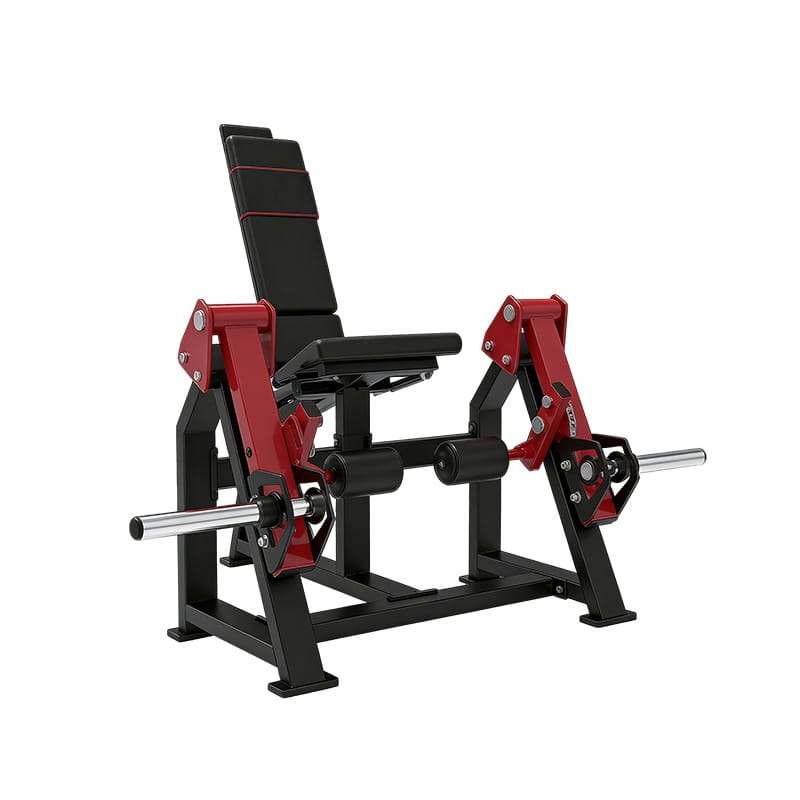
For example, a gym might use selectorized machines for entry-level chest press, lat pulldown, leg extension, and seated row, then add plate loaded strength equipment for incline press, bench press, leg training, and advanced pulling or pressing movements. This creates a natural path from guided beginner use to more demanding strength work.
Buyers can also connect plate loaded strength equipment with racks, benches, and free power equipment. Corexo’s free power equipment category is relevant when planning the full strength floor around benches and frames.
Facility-Specific Planning Advice
Commercial gyms
Commercial gyms can use plate loaded strength equipment to give the strength floor a more professional feel. It should be placed where advanced users have enough room to load plates, but still close enough to the main strength zone that the workout flow feels connected. Corexo’s commercial gym solutions page is useful for project-wide planning.
Training centers
Training centers often benefit from plate loaded strength equipment because coached users may need stable, repeatable loading for performance work. It can sit beside racks, benches, functional training equipment, and open floor space. The training center equipment page can help buyers think about broader zone planning.
Hotels, apartments, and offices
These spaces can use plate loaded strength equipment, but only when the user base and supervision level make sense. Many hospitality and residential projects may prefer selectorized or compact multi-station machines. For mixed-use facilities, Corexo’s hotel and apartment fitness equipment solutions can help balance durability, simplicity, and space.
Common Buying Mistakes
- Buying plate loaded machines without planning plate storage
- Duplicating the same movement pattern while missing key muscle groups
- Placing machines too close together for safe loading and unloading
- Ignoring upholstery, grip, pivot, and surface coating quality
- Assuming plate loaded strength equipment is suitable for every unsupervised facility
These mistakes are avoidable when buyers think in terms of real daily operation. Plate loaded strength equipment should make the strength area stronger and clearer, not more crowded or harder to supervise.
FAQ
What is plate loaded strength equipment?
Plate loaded strength equipment is resistance equipment that uses weight plates rather than a fixed weight stack. Users add or remove plates to adjust resistance.
Is plate loaded strength equipment suitable for beginners?
It can be used by beginners with proper instruction, but selectorized machines are often simpler for unsupervised new users. Plate loaded strength equipment is especially useful for intermediate and advanced users.
How should plate storage be planned?
Plate storage should be close to the machines without blocking walkways. Weight horns, plate trees, and clear return positions help keep the area organized.
Can plate loaded machines replace free weights?
No. Plate loaded strength equipment should complement free weights, racks, benches, selectorized machines, and functional training equipment. Each category serves a different training need.
Conclusion
Plate loaded strength equipment can give a commercial strength area more training depth, stronger visual identity, and better progression options for serious users. The key is to choose equipment by movement coverage, user profile, structure, spacing, plate storage, and maintenance access.
Corexo supports commercial gym, training center, distributor, and project buyers with strength equipment solutions, including the MOY plate-loaded series. To compare product options, visit the strength training equipment category or contact Corexo for project configuration support.