Table of Contents
Introduction
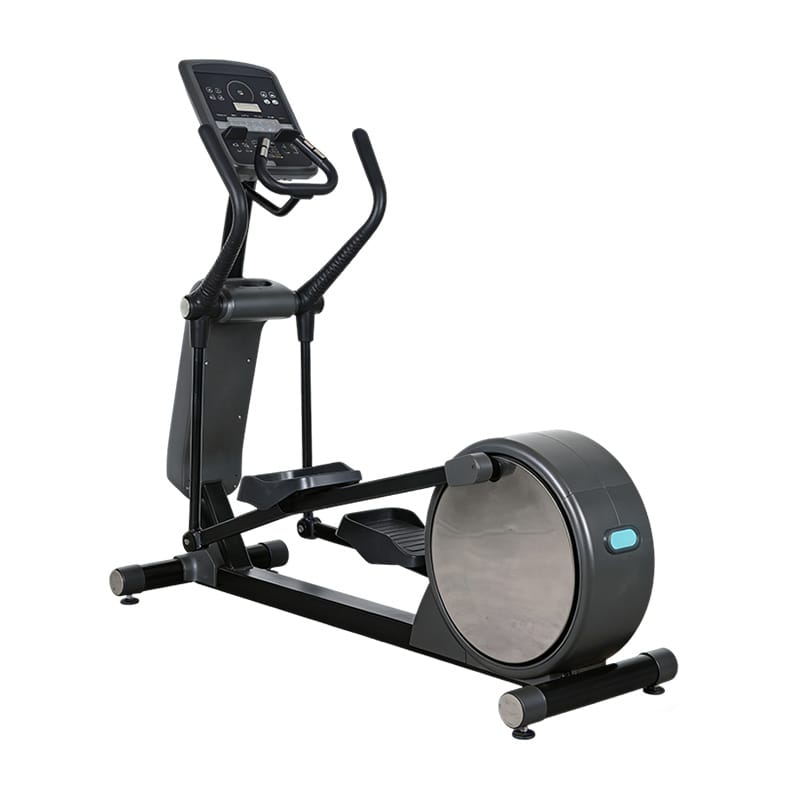
A sit down elliptical trainer represents a significant evolution in home fitness equipment. Unlike traditional standing ellipticals, this seated version allows users to perform low-impact cardiovascular workouts while comfortably seated. As manufacturers, we’ve observed growing demand for joint-friendly exercise equipment that accommodates users with mobility limitations, seniors, and individuals recovering from injuries.
The seated elliptical design combines the smooth, gliding motion of a standard elliptical with ergonomic seating support. This combination makes it particularly valuable for home gyms where versatility and accessibility matter. Whether you’re new to fitness or seeking gentle rehabilitation equipment, a sit down elliptical trainer offers an effective solution.
What Is a Sit Down Elliptical Trainer and How It Works
A sit down elliptical trainer, also known as a seated elliptical or recumbent elliptical, features a seated design with a backrest and moving pedals that follow an elliptical path. The machine operates through a magnetic resistance system connected to a flywheel, creating smooth, continuous motion without the jarring impact associated with running or traditional cardio equipment.
Key mechanical components explained
Flywheel system: The flywheel creates resistance and momentum, ensuring smooth pedaling motion. Most quality models feature magnetic flywheels that operate quietly and require minimal maintenance.
Pedal motion track: Unlike stationary bikes with circular pedaling, elliptical trainers follow an oval-shaped path that mimics natural walking motion while reducing stress on knees and hips.
Seat and ergonomic design: The recumbent-style seat provides lumbar support, allowing users to exercise for extended periods without back strain. Adjustable seats accommodate different user heights.
The resistance mechanism typically offers multiple levels, allowing progression from gentle warm-ups to more intense cardiovascular sessions. Magnetic resistance systems operate silently, making these machines ideal for home use.
Benefits of Using a Sit Down Elliptical Trainer
Low impact on knees and joints
The primary advantage of seated elliptical trainers lies in their low-impact nature. The seated position eliminates body weight stress on joints, while the elliptical motion avoids the harsh pounding of running or jumping. This makes the equipment particularly suitable for individuals with arthritis, knee problems, or hip conditions.
Suitable for long-duration cardio workouts
Because users remain seated and supported, they can maintain cardio sessions for longer periods than standing equipment might allow. Extended sessions maximize calorie burn and cardiovascular benefits without fatigue-related form breakdown.
Helps with fat burning and weight management
A sit down elliptical trainer engages multiple muscle groups simultaneously – quadriceps, hamstrings, glutes, calves, and core. When combined with moving handlebars, the upper body joins the workout, increasing overall calorie expenditure. Moderate-intensity sessions can burn 300-500 calories per hour depending on resistance and user weight.
Improves cardiovascular endurance
Regular use strengthens the heart and improves circulation. The continuous motion elevates heart rate into target cardiovascular zones, enhancing aerobic capacity over time.
Ideal for rehabilitation and elderly users
Physical therapists frequently recommend seated ellipticals for post-surgery rehabilitation. The controlled, low-impact motion helps restore mobility and strength without risking re-injury. Seniors benefit from the safety of seated exercise, maintaining fitness without fall risks associated with standing equipment.
Sit Down Elliptical Trainer vs Recumbent Bike
Understanding the differences helps buyers choose appropriate equipment for their needs.
| Feature | Sit Down Elliptical Trainer | Recumbent Bike |
|---|---|---|
| Motion Pattern | Elliptical (oval) path mimicking walking | Circular pedaling motion |
| Muscle Engagement | Legs, core, arms (with moving handles) | Primarily lower body muscles |
| Calorie Burn (moderate pace) | 400-600 per hour | 300-400 per hour |
| Joint Impact | Very low – no weight bearing | Low – seated support |
| Upper Body Workout | Yes, with dual-action handles | No |
| Space Required | Medium footprint | Medium to large footprint |
| Learning Curve | Easy – natural walking motion | Easy – cycling motion |
| Best For | Full-body cardio, rehabilitation, seniors | Lower body focus, cycling enthusiasts |
Which one should you choose?
For weight loss: The sit down elliptical trainer burns more calories due to full-body engagement, making it more effective for fat loss goals.
For rehabilitation: Both machines work well, but the elliptical’s natural walking motion often feels more intuitive for patients recovering from lower body injuries or surgeries.
For daily cardio training: If you prefer variety and want upper body involvement, the elliptical trainer offers more comprehensive workouts. Recumbent bikes suit those who specifically want to focus on leg strength and cycling-style cardio.
Key Features to Look for Before Buying
Adjustable resistance levels
Quality models offer 8-20 resistance levels, allowing progression as fitness improves. Magnetic resistance provides smooth, quiet operation and consistent challenge across all levels.
Comfortable seat and back support
Look for well-padded seats with adjustable positions. The best models offer reclining backrests with multiple angles, accommodating different body types and preferences. Side handles provide stability when mounting or dismounting.
Compact design for home use
Measure your available space before purchasing. Many models feature step-through designs for easy access. Foldable options exist for those needing to save space between workouts.
Noise level
Magnetic resistance systems operate nearly silently, allowing use while watching television or during early morning/late evening hours without disturbing others.
Build quality and frame durability
Steel frames with quality welds indicate durability. Check weight capacity ratings – higher capacities suggest sturdier construction. Warranties of 2-5 years on the frame demonstrate manufacturer confidence.
Advanced features in modern models
Digital monitor/LCD display: Track time, distance, speed, calories, and heart rate. Backlit screens remain readable in various lighting conditions.
Heart rate tracking: Contact sensors in side handles or wireless chest strap compatibility enable heart rate monitoring for targeted training zones.
Pre-set workout programs: Guided programs vary resistance automatically, preventing workout boredom and ensuring progressive training.
Foldable or portable design: Wheels and folding mechanisms facilitate storage and repositioning.
Sit Down Elliptical Trainer for Home Use
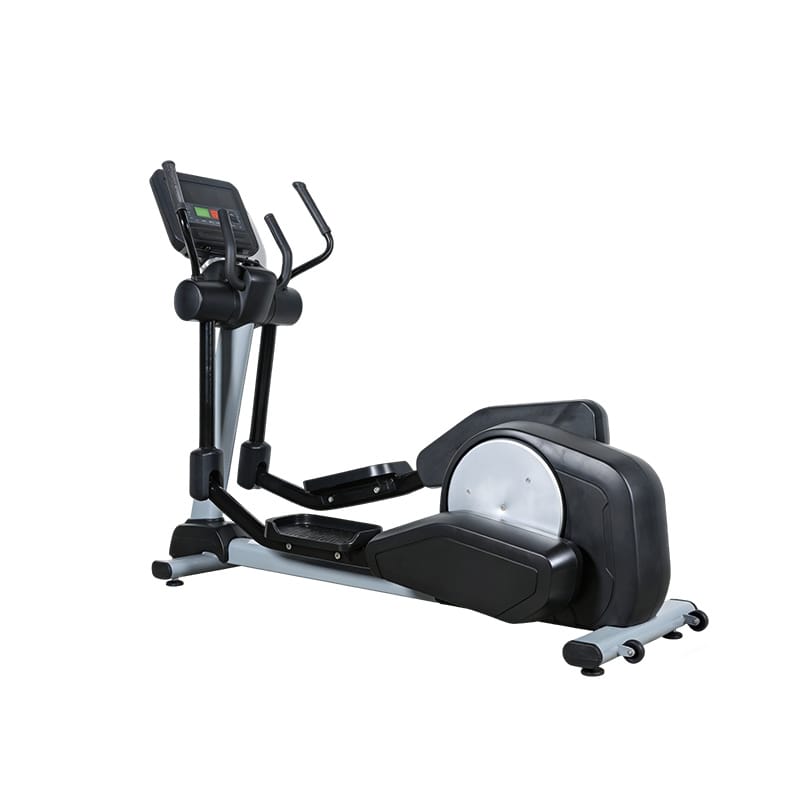
The compact footprint and quiet operation make seated ellipticals ideal for residential settings. Unlike treadmills that generate significant noise and vibration, magnetic resistance ellipticals operate nearly silently, suitable for apartments and homes with shared walls.
Space-saving designs accommodate smaller rooms without sacrificing functionality. Many users place these machines in home offices, bedrooms, or living areas, enabling exercise during television watching or while listening to podcasts.
Ideal home user profiles
Office workers: Combat sedentary behavior with desk-side pedaling during work hours. Under-desk models exist specifically for this purpose.
Seniors: The seated design eliminates balance concerns while providing effective cardiovascular exercise.
Beginner fitness users: Low impact and intuitive motion make these machines accessible to those new to exercise.
Sit Down Elliptical Trainer for Seniors and Rehabilitation
The aging population increasingly seeks fitness equipment that accommodates physical limitations while delivering health benefits. Sit down elliptical trainers meet these needs through:
- Safe, seated position eliminating fall risks
- Low-impact motion protecting joints
- Adjustable resistance for gradual progression
- Easy entry and exit via step-through frames
Medical facilities and physical therapy clinics regularly incorporate seated ellipticals into rehabilitation programs. The controlled motion helps patients regain strength and mobility following knee replacements, hip surgeries, or cardiac events.
Safety considerations
Proper resistance settings: Start with low resistance and increase gradually. Seniors should maintain conversational pace during workouts.
Recommended usage time: Begin with 10-15 minute sessions, progressing to 20-30 minutes as endurance improves. Daily use is safe and beneficial.
Medical consultation guidance: Individuals with cardiovascular conditions, severe arthritis, or recent surgeries should consult healthcare providers before beginning any exercise program.
How to Use a Sit Down Elliptical Trainer Correctly
Proper seating posture
Sit fully back in the seat with your lower back supported by the backrest. Position the seat so your knees maintain a slight bend at full pedal extension – avoid locking knees or excessive bending. Keep your spine neutral and shoulders relaxed.
Warm-up and cool-down routine
Begin with 3-5 minutes at low resistance to warm muscles and increase blood flow. End sessions with 2-3 minutes of easy pedaling, followed by gentle stretching.
Recommended workout duration for beginners
New users should start with 10-15 minute sessions at comfortable resistance. As fitness improves, extend duration to 20-30 minutes. Aim for 3-4 sessions weekly initially, progressing to daily use if desired.
Common mistakes to avoid
- Setting resistance too high too soon
- Hunching forward or gripping handles too tightly
- Using only legs without engaging arms (on models with moving handles)
- Skipping warm-up or cool-down periods
Beginner workout plan example
Week 1-2: 10 minutes daily, resistance level 2-3, focus on smooth motion
Week 3-4: 15 minutes daily, resistance level 3-4, incorporate arm movement
Week 5+: Progress to 20-30 minute sessions, gradually increasing resistance
Buying Guide: How to Choose the Right Model
Home vs commercial use selection
Home models prioritize compact size and quiet operation. Commercial versions feature heavier construction for frequent use but require more space and investment. For most home users, residential models provide excellent durability at reasonable prices.
Weight capacity considerations
Standard models support 250-300 pounds. Heavy-duty versions accommodate up to 400 pounds. Choose a model rated at least 25 pounds above your weight for optimal durability and safety.
Size and footprint evaluation
Measure your intended location, allowing extra space for access and movement. Typical footprints range from 50-70 inches long by 25-35 inches wide.
Resistance system comparison
Magnetic resistance offers the quietest, smoothest operation. Air resistance models exist but generate more noise. Belt drive systems provide quiet operation but may require occasional maintenance.
Budget vs premium models
Budget models ($200-500): Basic features, lighter construction, fewer resistance levels Mid-range ($500-1500): Better durability, more features, stronger warranties
Premium ($1500+): Commercial-grade construction, advanced electronics, extended warranties
Manufacturer insights
What affects long-term durability: Quality of welds, frame thickness, bearing quality, and resistance system construction determine lifespan. Higher-weight-capacity models typically feature more robust construction.
How factory testing ensures quality: Reputable manufacturers conduct stress testing on frames and moving parts, cycle testing resistance systems, and verify electronic components before shipping.
Why direct manufacturing reduces cost: Factory-direct sales eliminate distributor and retailer markups, providing equivalent quality at lower prices. Direct manufacturers also offer better customization options for commercial buyers.
Maintenance and Care Tips
Cleaning and dust prevention
Wipe down the frame and seat after each use to remove sweat. Dust the console and moving parts weekly. Avoid harsh chemicals – mild soap and water work effectively.
Lubrication and mechanical checks
Most magnetic resistance systems require no lubrication. Check pedal connections and moving joints monthly for looseness or unusual sounds. Tighten bolts as needed.
Seat and pedal maintenance
Inspect seat padding for wear. Clean pedal surfaces to maintain grip. Check pedal straps (if equipped) for fraying.
Extending machine lifespan
Store in temperature-controlled environments away from direct sunlight. Use equipment mats to protect floors and reduce vibration. Follow manufacturer weight limits.
Long-term performance optimization
Regular inspection schedule: Monthly checks of all connections and moving parts
Replacement of worn parts: Contact manufacturers for replacement straps, seats, or resistance components
Storage recommendations: If storing long-term, cover the machine to prevent dust accumulation
Why Choose a Manufacturer-Direct Sit Down Elliptical Trainer
Cost advantage from factory direct supply
Direct-to-consumer sales eliminate middleman markups of 30-50%, providing better value. Manufacturers can offer competitive pricing while maintaining quality standards.
Customization options (OEM/ODM)
Commercial buyers benefit from customization capabilities – brand colors, specific resistance ranges, custom programming, and tailored features for particular markets or applications.
Quality control advantages
Factory-direct products undergo consistent quality control without third-party handling risks. Direct communication with manufacturers ensures prompt resolution of any issues.
Bulk order and commercial supply support
Gyms, rehabilitation centers, and senior living facilities can order in quantity with volume pricing and coordinated delivery. Manufacturers provide commercial warranties and ongoing support.
Consistent product upgrades based on demand
Direct manufacturer relationships enable feedback incorporation into future models. Buyers benefit from continuous improvement based on real-world usage patterns.
Common Mistakes to Avoid When Buying
Choosing based only on price
The cheapest option rarely represents the best value. Consider construction quality, warranty coverage, and long-term durability alongside price.
Ignoring resistance system quality
Smooth, consistent resistance matters more than maximum resistance levels. Test models in person when possible, or read detailed reviews about resistance feel and range.
Overlooking size and space requirements
A machine that doesn’t fit your space won’t get used. Measure carefully, accounting for access and movement around the equipment.
Buying without checking warranty or support
Minimum warranties of 1-2 years on parts and 2-5 years on frames indicate reasonable quality. Longer warranties suggest manufacturer confidence. Confirm parts availability and service options before purchasing.
Conclusion
A sit down elliptical trainer offers an excellent solution for low-impact cardiovascular exercise in home settings. The seated design makes fitness accessible to seniors, rehabilitation patients, and anyone seeking joint-friendly workouts. When selecting a model, prioritize adjustable resistance, comfortable seating, quiet magnetic operation, and adequate warranty coverage.
As manufacturers, we’ve designed these machines to accommodate diverse user needs – from gentle rehabilitation sessions to more intense cardio workouts. The combination of full-body engagement, low impact, and home convenience makes seated elliptical trainers valuable additions to any fitness setup.
Whether you’re recovering from injury, maintaining fitness during aging, or simply prefer seated exercise, a quality sit down elliptical trainer delivers consistent health benefits with minimal joint stress. Choose a model that fits your space, matches your fitness goals, and comes from a reputable manufacturer offering solid warranty support.
FAQ
What is a sit down elliptical trainer?
A sit down elliptical trainer is a low-impact cardio machine that combines elliptical motion with a seated design. It allows users to perform cardiovascular workouts while sitting comfortably, making it ideal for seniors, rehabilitation patients, and those with joint concerns.
Who should use a seated elliptical trainer?
This equipment suits seniors seeking safe exercise, individuals recovering from injuries or surgeries, people with arthritis or mobility limitations, and anyone wanting joint-friendly cardio workouts at home.
How many calories does a sit down elliptical burn?
Moderate-intensity sessions on a seated elliptical trainer burn approximately 400-600 calories per hour, depending on resistance level, user weight, and workout duration.
Is a sit down elliptical better than a recumbent bike?
For full-body workouts and higher calorie burn, the elliptical trainer offers advantages. For pure lower body focus or cycling-style motion, the recumbent bike may suit better. Both provide excellent low-impact exercise.
What features matter most when buying?
Prioritize adjustable magnetic resistance (8+ levels), comfortable padded seat with back support, quiet operation, sturdy frame construction, and adequate warranty coverage. Digital displays and heart rate monitoring add value for tracking progress.