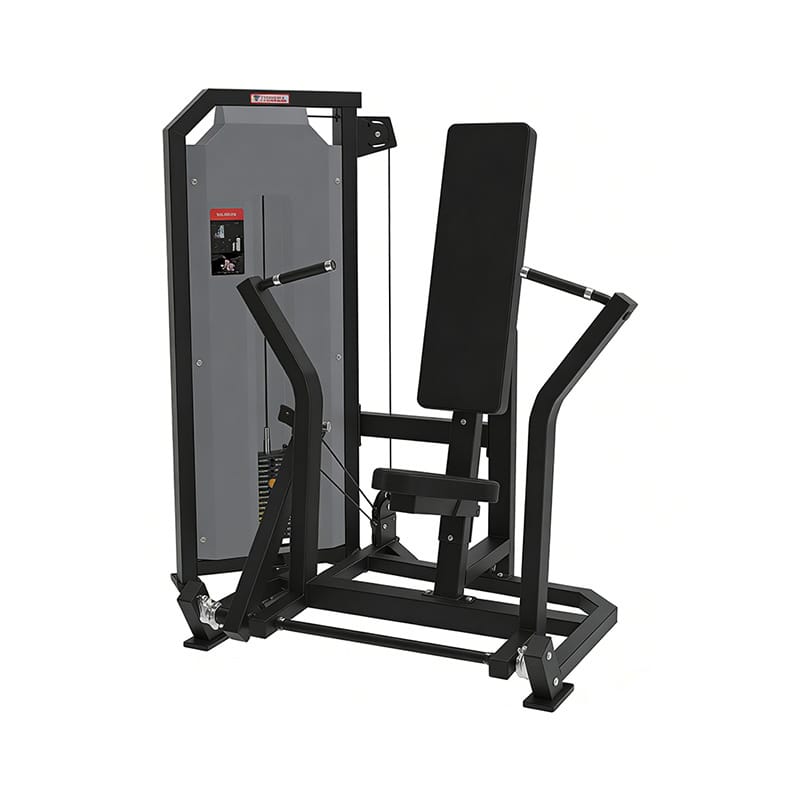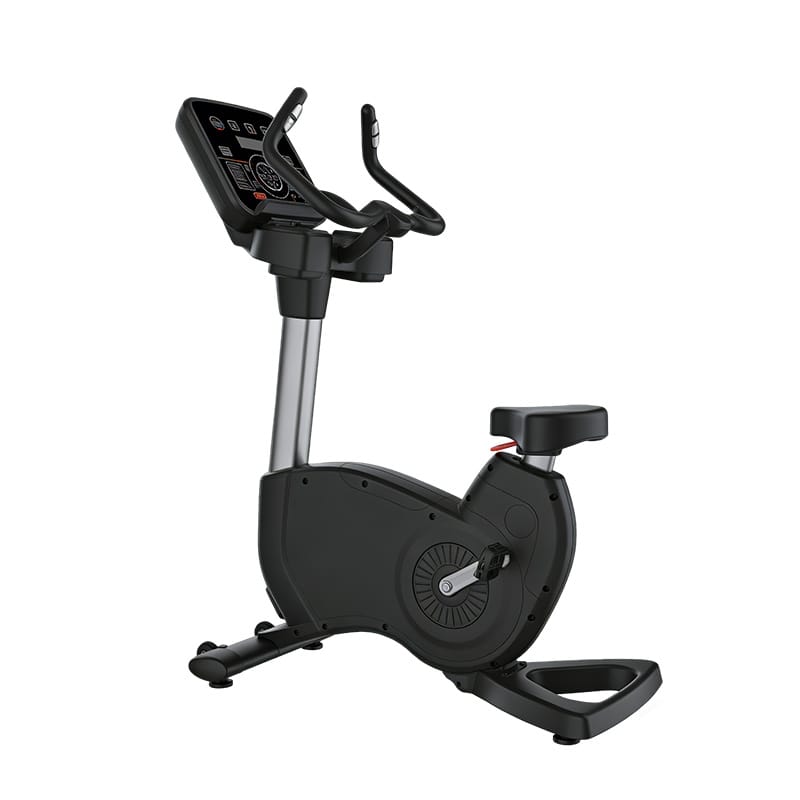
tabla de contenido
comienzo
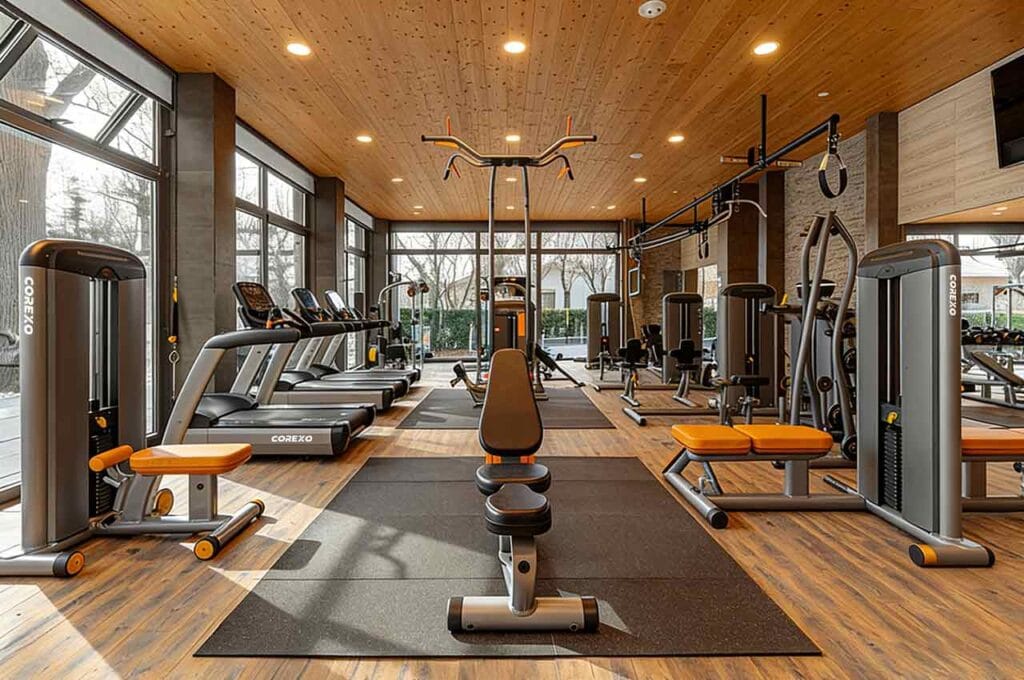
Un gimnasio exitoso no se crea llenando una habitación vacía con máquinas. Se construye a través de la lógica de movimiento, el comportamiento del usuario, la planificación de seguridad, el acceso al mantenimiento y las opciones de equipos que pueden manejar años de uso diario. Es por eso que el diseño de equipos de gimnasio comercial se ha convertido en un tema de planificación serio para los propietarios de gimnasios, operadores de hoteles, desarrolladores de apartamentos, gerentes de bienestar corporativo y compradores de proyectos de acondicionamiento físico.
Cuando se planifica bien un diseño, los miembros se mueven naturalmente del calentamiento al entrenamiento de fuerza, cardio, entrenamiento funcional y recuperación. El personal puede limpiar y mantener el equipo sin interrumpir a los usuarios. El espacio se siente abierto, profesional y fácil de entender. Lo que es más importante, el equipo respalda los objetivos comerciales en lugar de crear problemas operativos.
Para los compradores que planifican una nueva instalación o actualizan una existente, el mejor punto de partida no es un catálogo. Es una comprensión clara de quién usará el espacio, con qué frecuencia se utilizará el equipo y qué zonas crean más valor. t proporciona Equipo de fitness comercial Para gimnasios, hoteles, apartamentos, oficinas y centros de formación, por lo que esta guía aborda la planificación de diseño desde una perspectiva de proyecto práctico en lugar de una perspectiva de decoración.
Lo que realmente significa el diseño del equipo de gimnasio comercial
El diseño de equipos de gimnasio comercial es el proceso de organizar máquinas de cardio, máquinas de fuerza, equipos de pesas libres, estantes, bancos, sistemas de entrenamiento funcional, espacio de circulación y áreas de servicio en un entorno de acondicionamiento físico utilizable.
Un diseño no se trata solo de apariencia. Afecta:
Experiencia de miembro
Eficiencia de entrenamiento
Durabilidad del equipo
Gestión de la seguridad
Limpieza y mantenimiento
control de ruido
flujo de tráfico
futura expansión
Posicionamiento de marca
Costo de funcionamiento diario
En muchos proyectos, los compradores comienzan preguntando: “¿Cuántas máquinas podemos caber en este espacio?” Una mejor pregunta es: “¿Cuántos usuarios pueden entrenar de forma segura y cómoda en este espacio sin crear conflictos de equipos?”
Esa diferencia importa. Un gimnasio lleno de gente puede parecer completo en las fotos, pero puede sentirse frustrante durante las horas pico. Por otro lado, un diseño de equipo de gimnasio comercial bien planificado puede hacer que un espacio más pequeño se sienta más valioso porque cada área tiene una función clara.
Comience con el tipo de usuario antes de elegir el equipo
Antes de seleccionar máquinas, defina el grupo de usuarios principal. Un gimnasio comercial para entrenamiento de fuerza serio no utilizará la misma lógica de diseño que el gimnasio de un hotel o una sala de bienestar de la oficina.
Por ejemplo, un gimnasio comercial de servicio completo generalmente necesita un equilibrio más fuerte entre pesas libres, equipos de resistencia cargados con placa, máquinas selectoras, cardio y entrenamiento funcional. Un gimnasio o apartamento puede necesitar un equipo más silencioso, compacto y más fácil de usar. Un gimnasio de oficina puede requerir máquinas de espacio eficiente que soportan sesiones de entrenamiento cortas durante los descansos.
Páginas de aplicación de Corexo para Gimnasios comerciales, Espacios de fitness de hotel y apartamentos, y Gimnasios de oficina Refleje esta diferencia exacta: la misma categoría de equipo puede servir diferentes objetivos de negocio dependiendo del entorno.
Una pregunta de planificación útil es: ¿Qué deberían poder completar los usuarios en una sola visita?
Para un club de fitness comercial, los usuarios pueden esperar un entrenamiento de cuerpo completo con múltiples opciones de entrenamiento. Para un gimnasio de hotel, los usuarios pueden querer un entrenamiento simple antes de viajar o reuniones. Para un gimnasio de oficina, los usuarios pueden preferir cardio eficiente, entrenamiento de fuerza básico y estiramiento. Para un centro de capacitación, los usuarios pueden necesitar equipos de fuerza más pesado, estantes y estaciones funcionales.
Una vez que el perfil de usuario está claro, la lista de equipos se vuelve más precisa.
Construye el diseño alrededor de las zonas de entrenamiento
Un fuerte diseño de equipo de gimnasio comercial generalmente incluye varias zonas en lugar de máquinas dispersas. La zonificación ayuda a los usuarios a comprender el espacio rápidamente y ayuda a los operadores a administrar el equipo de manera más eficiente.
Las zonas comunes de gimnasio comercial incluyen:
zona cardiovascular
Zona de fuerza selecta
Zona de resistencia cargada con placa
Zona de peso libre
Zona de bastidor y marco
Zona de entrenamiento funcional
Área de estiramiento y movilidad
Área de almacenamiento y accesorio
Área de recepción o consulta
Espacio de acceso de mantenimiento
El objetivo no es separar todo por completo. El objetivo es crear un camino de entrenamiento natural.
Por ejemplo, a menudo se colocan equipos cardiovasculares donde la visibilidad y la ventilación son mejores. Las máquinas de resistencia se pueden agrupar por parte del cuerpo o patrón de movimiento. Las pesas y los estantes libres necesitan más espacio porque los usuarios se mueven alrededor del equipo con mancuernas, barras y bancos. Las áreas de entrenamiento funcional necesitan espacio abierto en el piso, no solo máquinas.
Un diseño que sigue el comportamiento de entrenamiento siempre funcionará mejor que un diseño basado solo en las dimensiones del producto.
Zonas de equipamiento recomendadas para diferentes tipos de instalaciones
La siguiente tabla muestra una forma práctica de hacer coincidir las zonas de equipos con diferentes espacios comerciales. No reemplaza un plan de diseño personalizado, pero puede ayudar a los compradores a evitar elegir equipos al azar.
| Tipo de instalación | Zonas de prioridad | Enfoque de equipo recomendado | Meta de diseño |
|---|---|---|---|
| Gimnasio comercial | Fuerza, Cardio, Pesas libres, Estantes, Entrenamiento Funcional | Máquinas selectoras, Máquinas con carga de placas, Bancos, Estantes, Máquinas de cardio | Apoyar el alto tráfico y las variadas necesidades de formación |
| Gimnasio del hotel | Cardio, fuerza compacta, estiramiento | Máquinas elípticas, bicicletas, cintas de correr, unidades de resistencia multifuncionales | Crea un espacio de fitness para invitados tranquilo y fácil de usar |
| Sala de fitness de | Cardio, fuerza básica, espacio de entrenamiento libre | Equipo cardio compacto, bancos, mancuernas, máquinas multiestaciones | Atiende a los residentes con espacio limitado y operación simple |
| Gimnasio de oficina | Cardio, fuerza de la luz, movilidad | Cardio de bajo ruido, resistencia selectora, área de estiramiento | Apoyar entrenamientos diarios cortos y bienestar de los empleados |
| centro de formación | Resistencia, Racks, Sistemas Funcionales | Equipo de resistencia de alta resistencia, marcos de potencia, bancos, estaciones de entrenamiento funcional | Apoyar el entrenamiento intensivo y la durabilidad a largo plazo |
Para proyectos con espacio limitado, el equipo no debe ser seleccionado solo por popularidad. Debe seleccionarse por frecuencia de uso, cobertura de capacitación, facilidad de operación y requisitos de mantenimiento.
El equipo de entrenamiento de fuerza debe anclar el diseño
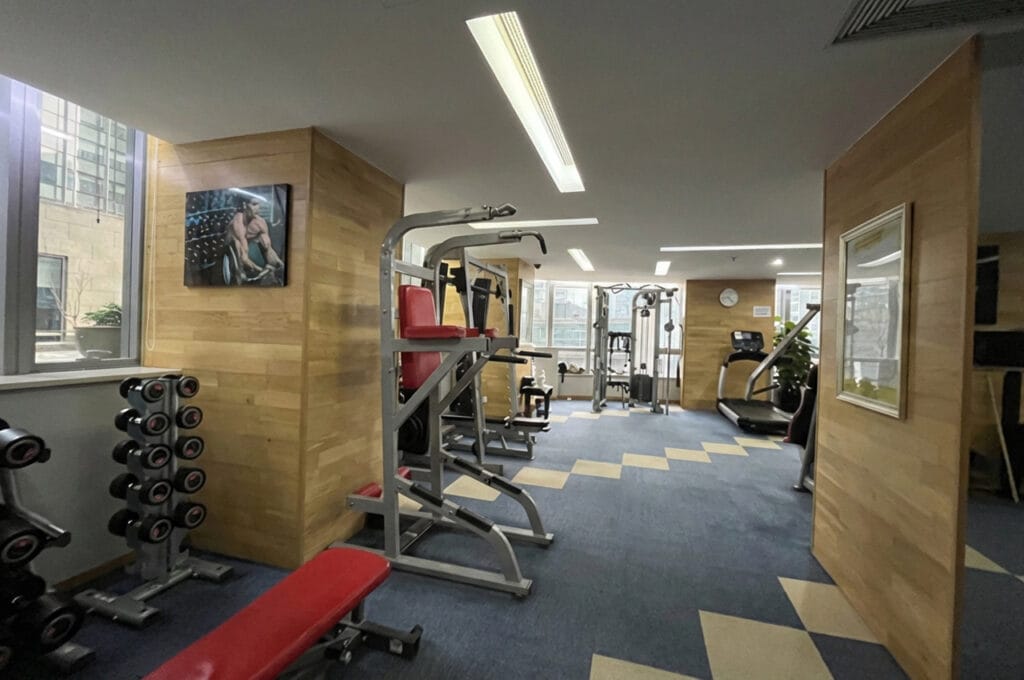
El entrenamiento de fuerza es una de las zonas más importantes en la planificación moderna del gimnasio. Muchos usuarios ahora esperan más que equipos de cardio básicos. Quieren equipos que apoyen el desarrollo muscular, la fuerza funcional, la formación del cuerpo y el entrenamiento progresivo.
Por esta razón, un fuerte diseño de equipo de gimnasio comercial a menudo coloca el equipo de fuerza en el centro de la instalación. t Equipo de entrenamiento de fuerza La categoría incluye soluciones comerciales diseñadas para un uso estable, carga repetida y operación de instalaciones a largo plazo.
Las zonas de fuerza se pueden planificar de diferentes maneras:
por parte del cuerpo, como pecho, espalda, hombros, piernas y brazos
Por patrón de movimiento, como empujar, tirar, sentarse, bisagra y núcleo
Por nivel de entrenamiento, como máquinas selectoras para principiantes y máquinas avanzadas cargadas de placas
por flujo de tráfico, colocando máquinas de alto uso en áreas de acceso más fáciles
Para la mayoría de los gimnasios comerciales, las máquinas de fuerza selectorizadas funcionan bien cerca del camino principal de entrenamiento porque son más fáciles de usar para los miembros generales. El equipo cargado con placas se puede colocar más cerca de las zonas de peso libre porque generalmente atrae a los usuarios que están más familiarizados con el entrenamiento de fuerza.
El punto importante es la consistencia. Cuando se agrupa lógicamente equipos similares, los usuarios pasan menos tiempo buscando y más tiempo entrenando.
El diseño cardiovascular se trata de comodidad, visibilidad y control de ruido
El equipo cardiovascular es a menudo lo primero que los usuarios notan cuando ingresan a un gimnasio. Crea energía visual y ayuda al espacio a sentirse activo. Sin embargo, las zonas cardiovasculares requieren más planificación que simplemente colocar máquinas en filas.
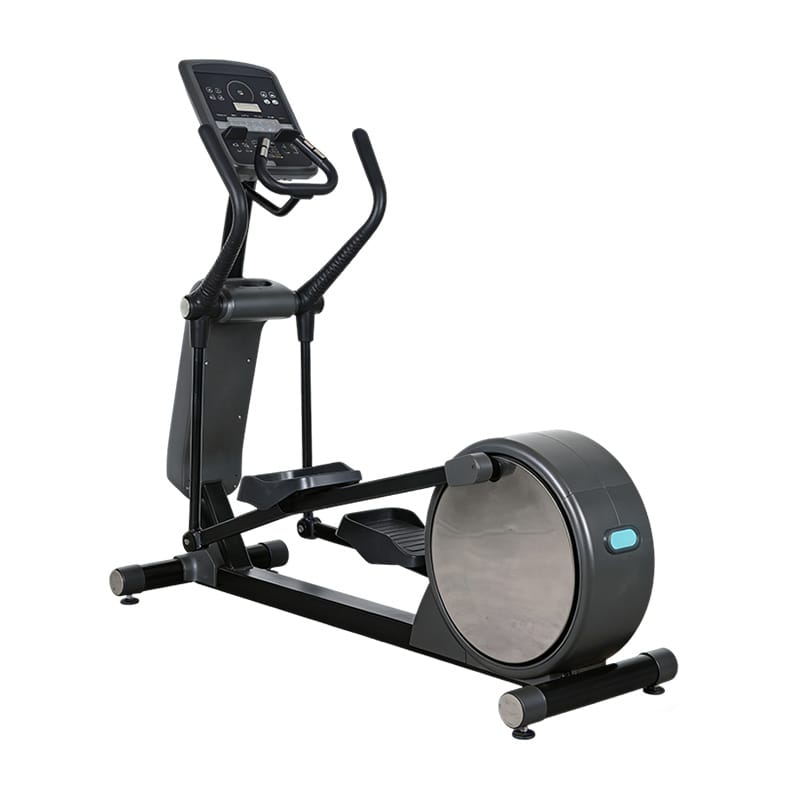
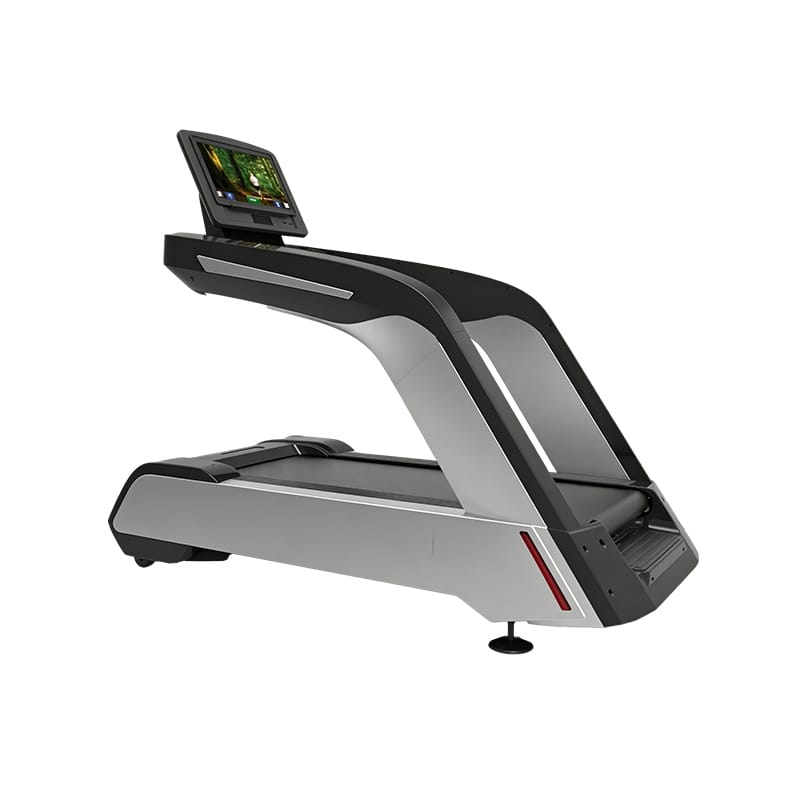
Corexo Equipo de entrenamiento aeróbico Incluye bicicletas comerciales, máquinas elípticas, escaladores de escaleras y opciones relacionadas con la cinta de correr. Estas máquinas necesitan un diseño que considere el espaciado, la ventilación, la privacidad del usuario, los ángulos de visualización de la pantalla y el ruido.
Un diseño cardiovascular práctico debe considerar:
Espacio de caminata claro detrás de las máquinas
Distancia cómoda entre los usuarios
buen flujo de aire
Fácil acceso a la energía donde sea necesario
Suelo estable
Control de ruido cerca de zonas tranquilas
Visibilidad del personal o recepción
una transición natural a la fuerza o las zonas de estiramiento
Para hoteles, apartamentos y gimnasios de oficina, la operación de bajo ruido es especialmente importante porque el área de fitness puede estar cerca de habitaciones, oficinas o espacios residenciales compartidos. En estos ambientes, la zona cardio debe colocarse con cuidado para reducir la vibración y la transferencia de sonido.
Para gimnasios comerciales más grandes, se puede usar equipo cardiovascular para crear un área frontal visual abierta, mientras que el equipo de mayor resistencia se coloca más profundamente en el piso de entrenamiento.
Las zonas de peso y racks libres necesitan más espacio del que esperan los compradores
Las áreas de peso libre a menudo se subestiman durante la planificación de la disposición. Un banco, un estante con mancuernas o un cuadro de potencia no solo necesita su propia huella. También necesita espacio de movimiento del usuario a su alrededor.
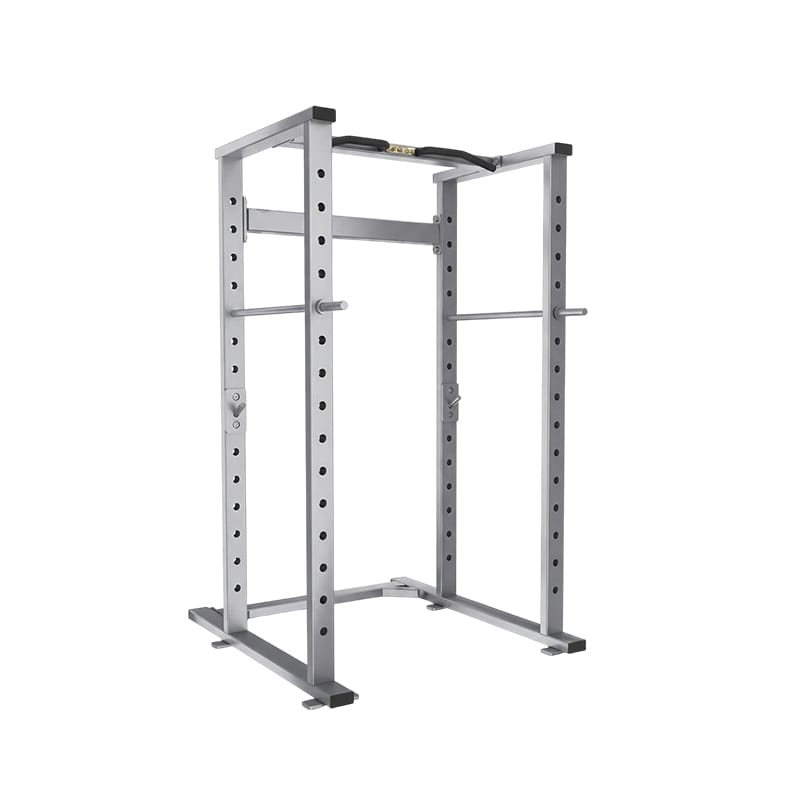
Corexo Equipo de energía gratuito Incluye equipos como Bancos de entrenamiento y Estantes y marcos. Estos productos son esenciales para el entrenamiento de fuerza serio, pero requieren una colocación reflexiva.
Un área de peso libre debe evitar las esquinas estrechas. Los usuarios pueden llevar mancuernas, ajustar bancos, cargar placas o moverse entre bastidores. Si el espacio es demasiado reducido, la zona se vuelve incómoda y potencialmente insegura.
Un mejor enfoque es planificar la zona de peso libre como un área de movimiento activa. Los bancos deben tener suficiente espacio circundante para presionar, remo y con mancuernas. Los bastidores no deben bloquear los principales senderos para caminar. El almacenamiento de placas debe estar lo suficientemente cerca para la comodidad, pero no colocado donde crea un riesgo de tropiezo.
Para los gimnasios comerciales de primera calidad, el área de peso y estante libre a menudo se convierte en un punto de venta importante. Una zona de fuerza limpia, espaciosa y bien organizada puede influir fuertemente en la forma en que los usuarios perciben toda la instalación.
Las máquinas multiestaciones ayudan a mejorar la eficiencia del espacio
No todos los espacios comerciales de fitness pueden soportar una gran cantidad de máquinas de una sola función. Aquí es donde las máquinas multiestaciones se vuelven valiosas.
Corexo Máquinas multiestaciones Puede soportar múltiples movimientos de entrenamiento dentro de un sistema de equipo. Para hoteles, apartamentos, gimnasios de oficina y instalaciones comerciales compactas, esto puede ayudar a mejorar la cobertura de capacitación sin abarrotar el piso.
Las máquinas multiestaciones son útiles cuando el comprador quiere proporcionar:
Entrenamiento de la parte superior del
Entrenamiento de la parte inferior del
Movimiento basado en cables
Entrenamiento básico de fuerza para usuarios generales
Mayor variedad de ejercicios en espacio limitado
Gestión de equipos más simple
La clave es la colocación. Una máquina de estaciones múltiples no debe ser apretada en una esquina sobrante. Necesita acceso desde diferentes lados porque varios usuarios pueden entrenar al mismo tiempo. Si la estación se coloca demasiado cerca de una pared u otro equipo, su valor funcional se reduce.
En un diseño de equipo de gimnasio comercial inteligente, las unidades de estaciones múltiples pueden actuar como un puente entre las máquinas de resistencia selectorizadas y las áreas de entrenamiento libres.
Las áreas de entrenamiento funcional necesitan espacio abierto, no solo equipo
El entrenamiento funcional se ha convertido en una parte importante de los entornos de acondicionamiento físico modernos. Los usuarios quieren espacio para ejercicios de peso corporal, movimientos de cables, estiramientos, trabajo de movilidad, calentamientos y entrenamiento en grupos pequeños.
Este tipo de área no se puede planificar como una fila de máquina. Necesita espacio abierto.
Una zona de entrenamiento funcional puede incluir:
Soportes de entrenamiento multifuncionales
sistemas de cable
Puntos de entrenamiento de suspensión
Espacio de pelota medicinal
Alfombrillas de estiramiento
Herramientas de movilidad
Almacenamiento de accesorios pequeño
Carriles de movimiento abiertos
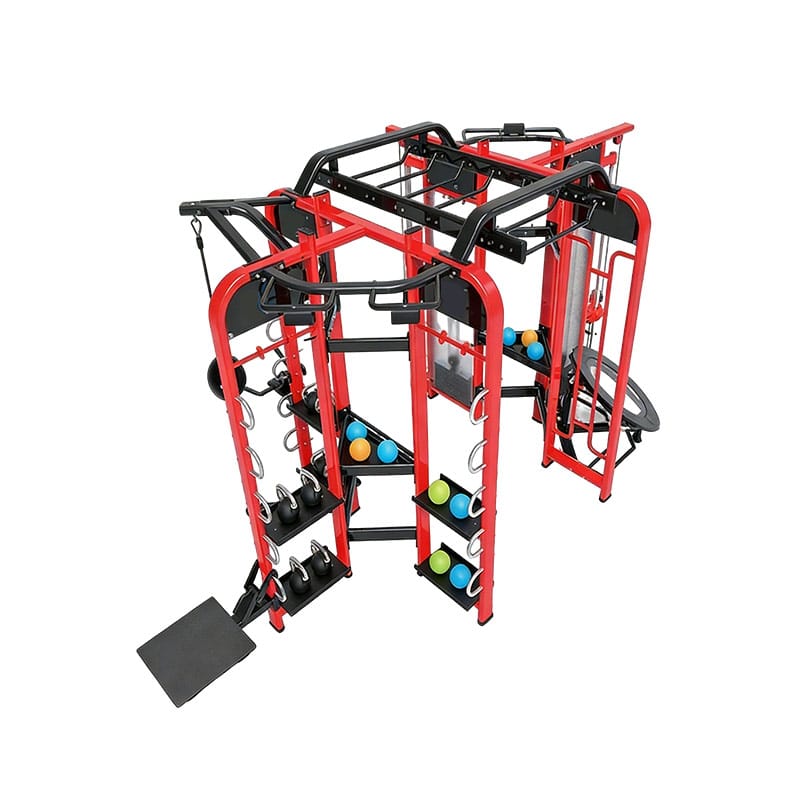
Corexo Serie de soporte de entrenamiento multifuncional FT Puede apoyar las necesidades de capacitación flexibles, especialmente cuando la instalación quiere crear una experiencia de capacitación más dinámica.
Para los gimnasios comerciales, las áreas funcionales pueden mejorar el compromiso de los miembros. Para hoteles y oficinas, permiten a los usuarios completar entrenamientos rápidos sin necesidad de muchas máquinas. Para los centros de formación, las zonas funcionales soportan el coaching, el acondicionamiento y la programación en grupo.
El diseño debe mantener esta área visible pero no disruptiva. No debe bloquear el tráfico entre las zonas principales, y debe tener suficiente espacio en el piso para un movimiento seguro.
La seguridad y la accesibilidad deben planificarse desde el principio
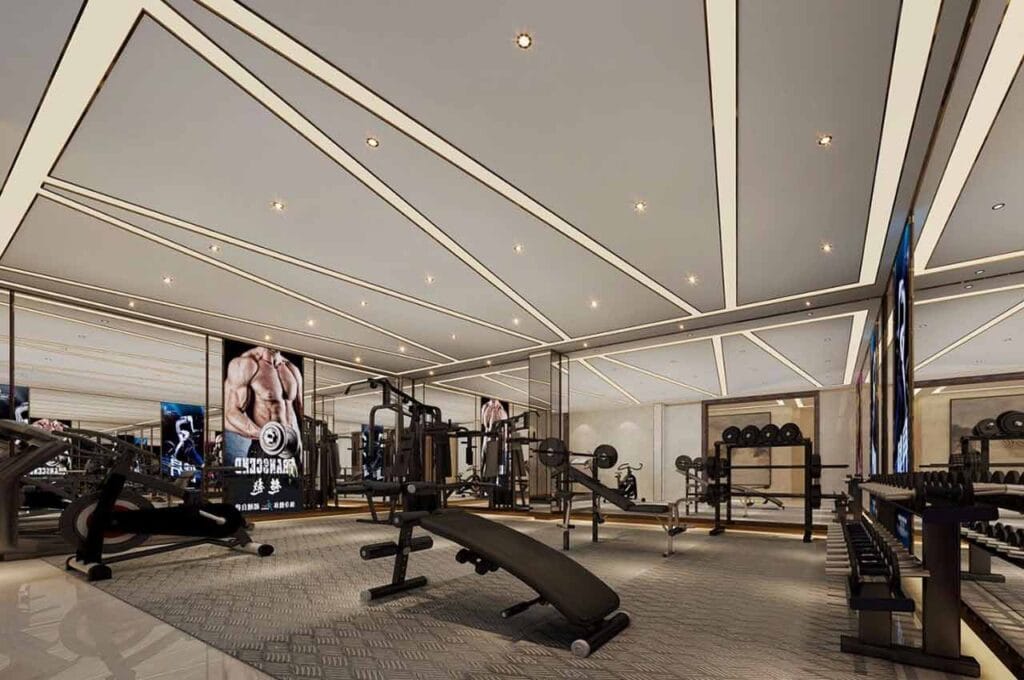
Nunca se debe agregar seguridad después de instalar el equipo. Debe dar forma al diseño desde el principio.
El American College of Sports Medicine ofrece estándares y pautas de instalaciones para instalaciones de salud y acondicionamiento físico a través de su Normas y pautas de centros de salud/acondicionamiento físico. Para la accesibilidad, la Junta de Acceso de EE. UU. explica que al menos uno de cada tipo de máquina de ejercicio debe tener espacio despejado en el piso y ser atendido por una ruta accesible en las instalaciones aplicables. Su orientación sobre Instalaciones deportivas Es útil para los compradores que consideran la planificación de diseño inclusivo.
En la planificación práctica del gimnasio, la seguridad incluye:
Caminos de circulación claros
Suficiente espacio alrededor de equipos de mudanza
Suelo estable
buena iluminación
Acceso de emergencia visible
Salidas desbloqueadas
Gestión segura de cables y energía
Distancia adecuada alrededor de las rejillas y pesas libres
Planificación de rutas accesible donde sea necesario
La planificación de emergencias también importa. La guía de OSHA sobre Planes y procedimientos de evacuación Destaca la importancia de identificar las salidas primarias y secundarias. Para un gimnasio, esto significa que el equipo nunca debe crear confusión o bloqueo durante una emergencia.
Un hermoso diseño no es suficiente. El diseño de un equipo de gimnasio comercial debe permanecer seguro durante las horas pico, cuando los usuarios se mueven, levantan, caminan, descansan y entrenan al mismo tiempo.
Haga coincidir la elección del equipo con el mantenimiento a largo plazo
Muchos compradores de gimnasios se enfocan en el día de la inauguración. Los operadores experimentados se centran en el tercer año.
Una máquina que parece atractiva en la instalación puede convertirse en una carga si es difícil de limpiar, difícil de mantener, ruidosa bajo un uso repetido o inconsistente en todos los lotes. Por eso, los equipos comerciales deben evaluarse desde una perspectiva operativa a largo plazo.
Los factores importantes relacionados con el mantenimiento incluyen:
Estabilidad del marco
Consistencia de soldadura
Durabilidad del acabado superficial
Calidad de cables y poleas
Rendimiento de rodamiento
Resistencia al desgaste del cojín
Facilidad de limpieza
Disponibilidad de piezas de repuesto
Mecanismos de ajuste simples
Claro soporte de instalación y servicio
Corexo se enfoca en la fabricación de equipos comerciales de fitness con estabilidad, durabilidad, bajo ruido y fácil mantenimiento como direcciones importantes del producto. Para los compradores que planifican múltiples ubicaciones o proyectos a largo plazo, estos detalles pueden marcar una gran diferencia.
Una buena disposición de equipos de gimnasio comercial también debe permitir que el personal acceda al equipo para su inspección y limpieza. Las máquinas colocadas demasiado estrechamente pueden reducir el espacio utilizable y aumentar la dificultad de mantenimiento.
Planifique el flujo de tráfico como un viaje de usuario real
Un diseño de gimnasio debe sentirse natural incluso para un visitante por primera vez. Los usuarios deben ser capaces de entender a dónde ir sin preguntar al personal por cada paso.
Un viaje práctico del usuario puede verse así:
entrada o recepción
Calentamiento cardio
Máquinas de fuerza selectorizadas
Peso libre o zona de estantería
Entrenamiento funcional
Estiramiento y enfriamiento
Salir o zona de casilleros
Esto no significa que cada usuario siga el mismo camino. Significa que el diseño debe apoyar el movimiento sin confusión.
Por ejemplo, los principiantes pueden preferir primero las máquinas selectoras porque son más fáciles de entender. Los usuarios avanzados pueden moverse directamente a bastidores o pesas libres. Los huéspedes del hotel solo pueden usar áreas de cardio y estiramiento. Los trabajadores de oficina pueden preferir un cortocircuito con cardio, fuerza básica y movilidad.
El diseño debe admitir diferentes comportamientos sin crear conflictos.
Un error común es colocar máquinas de mucho tráfico en caminos estrechos. Otro error es separar el equipo relacionado demasiado lejos. Si los bancos están lejos de las mancuernas, o el almacenamiento de placas está lejos de los bastidores, los usuarios se moverán de manera ineficiente y crearán tráfico innecesario en el piso.
Escenario de planificación práctico: gimnasio comercial de tamaño mediano
Imagine un gimnasio comercial de tamaño mediano que quiera atender a los usuarios de fitness en general, a los miembros centrados en la fuerza y a los principiantes. El propietario tiene suficiente espacio para múltiples zonas pero no espacio ilimitado.
Una estrategia de diseño práctico podría ser:
Coloque el equipo de cardio cerca del frente o frente a la ventana para crear una actividad visual y fomentar el fácil acceso.
Grupos de fuerza selectorizando máquinas de entrenamiento para que los principiantes puedan seguir un camino de cuerpo completo simple.
Coloque las máquinas con carga de placas más cerca del área de peso libre porque el comportamiento del usuario es similar.
Crea una zona de banco y bastidor dedicada con suficiente espacio libre para el entrenamiento con pesas y barra.
Use equipo de estaciones múltiples para agregar variedad de entrenamiento sin consumir demasiada superficie.
Mantenga un área de entrenamiento funcional lo suficientemente abierta para estirar, trabajar con núcleo y entrenamiento en grupos pequeños.
Coloque el almacenamiento de accesorios cerca del área funcional, no al otro lado de la habitación.
Mantenga las rutas de servicio despejadas para la limpieza y el mantenimiento del personal.
Reserve espacio de expansión futuro si el gimnasio planea agregar más equipo de fuerza más adelante.
Este enfoque es más efectivo que simplemente llenar cada pared con máquinas. Le da a cada zona un propósito comercial y mejora la experiencia del usuario.
Para un comprador de proyectos, este tipo de planificación también puede facilitar la comunicación con el proveedor. En lugar de pedir “un juego completo de equipo de gimnasio”, el comprador puede solicitar equipos basados en zonas, tipo de usuario y tráfico esperado.
Lista de verificación de selección de equipos para compradores de proyectos
Antes de confirmar el diseño de un equipo de gimnasio comercial, los compradores deben revisar cuidadosamente la lista de equipos.
Las preguntas útiles incluyen:
¿Cada máquina coincide con el grupo de usuarios objetivo?
¿Existe un equilibrio entre el cardio, la fuerza, el peso libre y el entrenamiento funcional?
¿Son de fácil acceso las máquinas de alto uso?
¿Hay suficiente espacio alrededor de bancos, estantes y piezas móviles?
¿Puede el personal limpiar y mantener el equipo fácilmente?
¿El equipo es adecuado para uso comercial de alta frecuencia?
¿El marco, el cojín, el sistema de ajuste y las piezas móviles están diseñadas para uso a largo plazo?
¿Puede el proveedor soportar OEM/ODM o personalización del color si es necesario?
¿Es estable el suministro de piezas de repuesto?
¿Puede el proveedor ayudar con la configuración del diseño y el proyecto?
Corexo admite configuraciones personalizadas para proyectos de fitness comerciales. Los compradores que necesitan soporte de diseño, coincidencia de equipos o planificación de proyectos pueden contactar a Corexo a través de la Página de contacto.
Errores comunes de diseño de equipos de gimnasio comerciales
Incluso los compradores experimentados pueden cometer errores de diseño al planificar un gimnasio. Estos son algunos de los problemas más comunes.
Elegir equipo antes de definir el grupo de usuarios
Tratando de colocar demasiadas máquinas en el espacio
Ignorar el espacio libre alrededor de las rejillas y bancos
Tratar las máquinas de cardio como decoración en lugar de equipos de entrenamiento activo
Colocación de equipos ruidosos cerca de áreas tranquilas
Olvidar el almacenamiento de accesorios y placas
No deja espacio para estirar o movilidad
Ignorar el acceso al mantenimiento
Mezclar zonas principiantes y avanzadas sin lógica clara
Uso de equipos de estilo residencial en entornos comerciales
Planificación solo para el día de la inauguración en lugar de la operación a largo plazo
La mejor solución es planificar desde el uso real. Piense en el movimiento de la hora pico, los diferentes tamaños corporales, los diferentes niveles de entrenamiento, las rutinas de limpieza y cómo funcionará el espacio después de meses de uso diario.
Por qué es importante el soporte del fabricante en la planificación de diseño
Un diseño de equipo de gimnasio comercial es más fácil de planificar cuando el proveedor entiende tanto el uso de equipos como el proyecto. Un fabricante no solo proporciona máquinas. Un fabricante confiable puede ayudar a los compradores a pensar en la coincidencia de productos, la durabilidad, la personalización, la consistencia del suministro y el soporte post-venta.
Esto es especialmente importante para:
Nuevas aperturas de gimnasio
Mejoras en el gimnasio del hotel
Proyectos de gimnasio de apartamentos
Espacios de bienestar de oficina
Pedidos a granel de distribuido
Planificación de equipos de centro de formación
Ampliación de instalaciones de múltiples ubicaciones
Corexo proporciona fuerza comercial, cardio, potencia libre y equipo de entrenamiento funcional para diferentes escenarios de aplicación. Para los compradores que aún están comparando las listas de equipos, trabajar con un proveedor centrado en la fabricación puede reducir las conjeturas y mejorar el resultado final.
Cómo las tendencias de salud influyen en el diseño del gimnasio
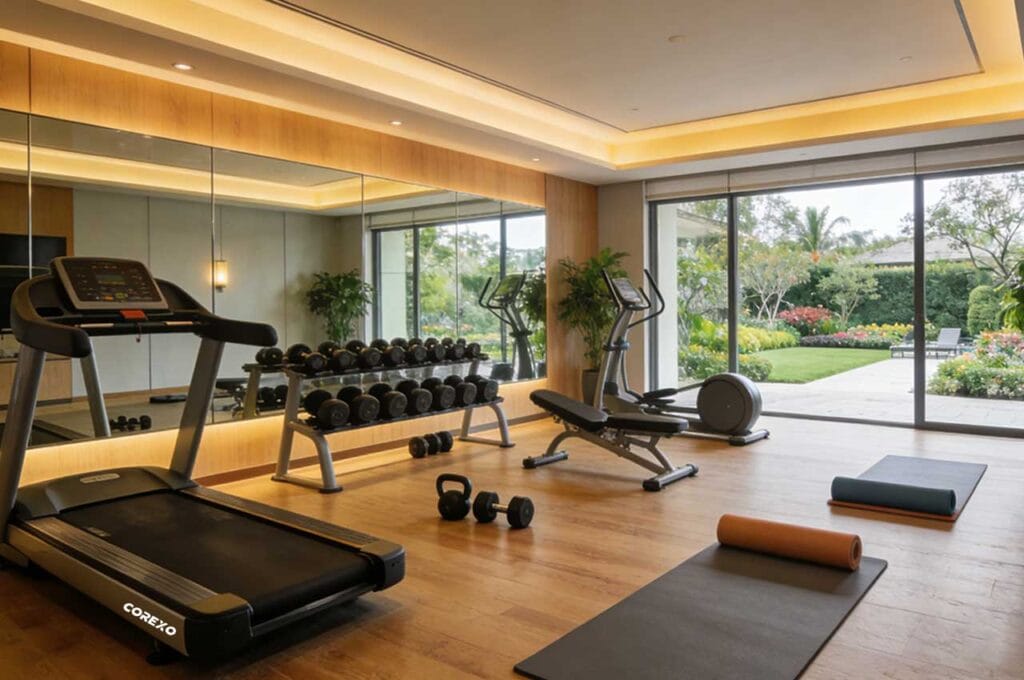
El diseño del gimnasio también debe responder a cómo las personas realmente entrenan hoy. organizaciones de salud pública como la CDV y el Organización Mundial de la Salud Enfatice tanto la actividad aeróbica como la actividad de fortalecimiento muscular para adultos. Esto respalda un enfoque equilibrado para la planificación del gimnasio en lugar de una instalación solo de cardio o solo de fuerza.
Para los compradores de gimnasios comerciales, esto significa que el diseño debe proporcionar oportunidades de entrenamiento cardiovascular y de fuerza. Un gimnasio con solo cardio puede parecer incompleto para los usuarios que desean un entrenamiento de resistencia. Un gimnasio con solo equipo de fuerza pesada puede sentirse intimidante para los principiantes. Un diseño equilibrado de equipos de gimnasio comercial puede servir a más usuarios y crear más razones para repetir visitas.
Esta es una de las razones por las que los espacios de fitness modernos a menudo incluyen:
Cardio para resistencia y calentamiento
Fuerza selectora para entrenamiento de resistencia guiado
Pesas libres para entrenamiento de fuerza progresiva
Estantes para levantamiento avanzado
Áreas funcionales para movilidad y acondicionamiento
Áreas de estiramiento para enfriamiento y flexibilidad
Un gimnasio que admita múltiples estilos de entrenamiento puede atraer grupos de usuarios más amplios y mejorar el uso a largo plazo.
idea de narración
El diseño de equipos de gimnasio comercial no es solo una tarea de diseño. Es una decisión comercial que afecta la satisfacción del usuario, la seguridad, la vida del equipo, la eficiencia del mantenimiento y el crecimiento futuro.
Los diseños más fuertes comienzan con el grupo de usuarios, luego construyen zonas de entrenamiento claras en torno al comportamiento de movimiento real. Equipo de entrenamiento de fuerza, máquinas de cardio, pesas libres, bastidores, bancos, máquinas multiestaciones y áreas de entrenamiento funcional, todos necesitan su propia lógica de planificación. Cuando estas zonas funcionan juntas, el gimnasio se siente profesional, cómodo y más fácil de operar.
Para los compradores de proyectos, la clave es evitar pensar solo en términos de cantidad de máquina. Un mejor diseño de equipo de gimnasio comercial se centra en la cobertura de entrenamiento, el flujo de tráfico, la durabilidad, el acceso al servicio y el valor a largo plazo. Si está planeando una nueva sala de ejercicios o actualizando una existente, Corexo puede ayudar a combinar el equipo comercial con su espacio, perfil de usuario y requisitos del proyecto.
Para discutir un plan de equipo personalizado, visite el Corexo Productos de equipos de fitness comerciales página o Contacto Corexo para el apoyo al proyecto.
preguntasrán el
¿Qué es el diseño de equipos de gimnasio comercial?
El diseño de equipos de gimnasio comercial es la planificación de máquinas de cardio, equipos de fuerza, pesas libres, estantes, bancos, áreas de entrenamiento funcional, espacio de almacenamiento y circulación dentro de un gimnasio comercial.
¿Por qué es importante el diseño para un gimnasio comercial?
Un buen diseño mejora el flujo de usuarios, la eficiencia de la capacitación, la seguridad, el acceso a la limpieza, la gestión de equipos y la experiencia general de los miembros. También ayuda al gimnasio a operar más suavemente durante las horas pico.
¿Qué equipo debe incluir un gimnasio comercial?
Un gimnasio comercial generalmente incluye equipos de cardio, máquinas de fuerza selectosa, pesas libres, bancos, bastidores, máquinas cargadas de placas, equipo de entrenamiento funcional y espacio de estiramiento. La lista final debe coincidir con los usuarios de destino y el tamaño de la instalación.
¿Cómo planeo un diseño de equipo de gimnasio pequeño comercial?
Para un pequeño gimnasio comercial, priorice cardio compacto, equipo de resistencia multifuncional, pesas libres esenciales, senderos despejados y espacio abierto. Evite abarrotar la habitación con demasiadas máquinas de una sola función.
¿Debería ocupar más espacio cardio o equipo de fuerza?
Depende del tipo de instalación y del grupo de usuarios. Un gimnasio comercial general generalmente necesita un diseño equilibrado, mientras que el gimnasio del hotel puede necesitar opciones de cardio más simples y de resistencia compacta. Un centro de entrenamiento puede requerir más fuerza y espacio en el estante.
¿Cuánto espacio libre se necesita alrededor del equipo de gimnasio?
El espacio libre depende del tipo de equipo, el patrón de movimiento y los requisitos locales. Los bastidores, bancos y pesas libres generalmente necesitan más espacio circundante que las máquinas selectoras porque los usuarios se mueven a su alrededor durante el entrenamiento.
¿Puede Corexo ayudar con la planificación de equipos comerciales de gimnasio?
Sí. 1TP3 T ofrece equipos de fitness comerciales para gimnasios, hoteles, apartamentos, oficinas y centros de formación, con opciones de productos que cubren entrenamiento de fuerza, cardio, equipos de potencia gratuitos y sistemas de entrenamiento funcional.
¿Cuál es el mayor error en la planificación del diseño del gimnasio?
El mayor error es elegir el equipo antes de entender el grupo de usuarios y el flujo de entrenamiento. Esto a menudo conduce a la hacinamiento, un equilibrio deficiente del equipo, un mantenimiento difícil y una experiencia de usuario más débil.