اختيار الحق مطحنة منحدر بالنسبة لصالة الألعاب الرياضية ، فإن قرار الاستثمار طويل الأجل يؤثر بشكل مباشر على تجربة المستخدم ومتانة المعدات والأداء التجاري بشكل عام. على عكس معدات اللياقة البدنية المنزلية غير الرسمية ، يجب أن تتحمل أجهزة الجري التجارية من الدرجة التجارية الاستخدام اليومي المستمر ، ودعم المستخدمين من مستويات اللياقة البدنية المختلفة ، والحفاظ على أداء مستقر في ظل ظروف تدريب عالية الكثافة. بالنسبة لأصحاب الصالة الرياضية وموزعي اللياقة البدنية وفرق المشتريات ، يتطلب اختيار النموذج المناسب توازنًا دقيقًا بين الجودة الهندسية والميزات الوظيفية وكفاءة التكلفة.
بصفتنا شركة محترفة لتصنيع معدات اللياقة البدنية متخصصة في أنظمة جهاز المشي ، بما في ذلك نماذج المطحنة المنحدرة لكل من التطبيقات التجارية والمنزلية ، فإننا ندعم باستمرار العملاء العالميين في اختيار الآلات التي تلبي المتطلبات التشغيلية الحقيقية. تم تصميم هذه المقالة لتوفير دليل منظم وعملي يعتمد على خبرة الإنتاج ورؤى هندسة المنتجات ومتطلبات السوق الحقيقية ، مما يساعدك على اتخاذ قرار شراء مستنير مع تحسين أداء البحث العضوي لموقعك على الويب.
جدول المحتويات
فهم ما هو جهاز المشي المنحدر وكيف يعمل
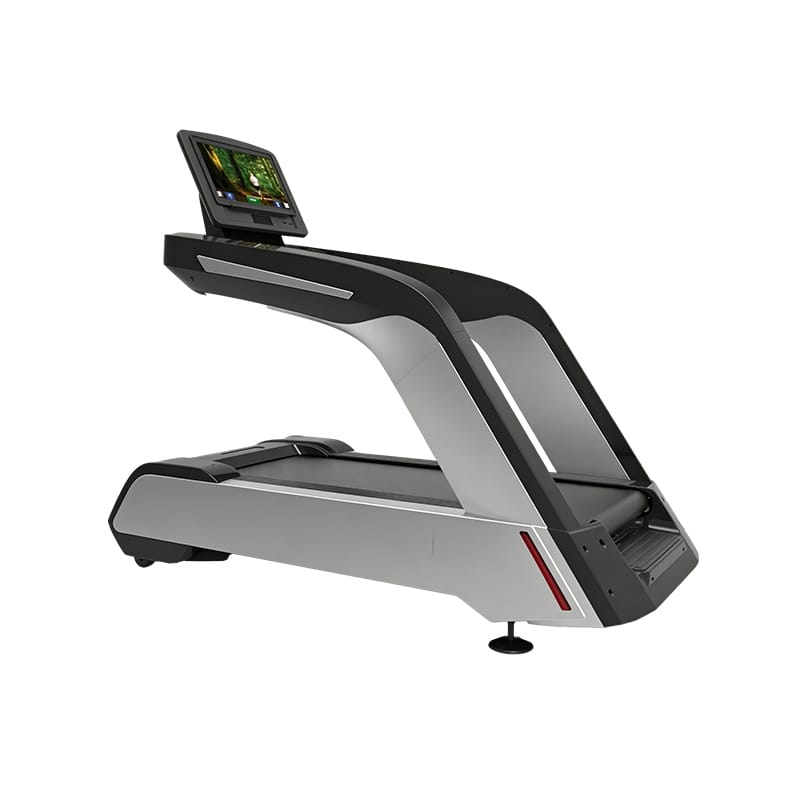
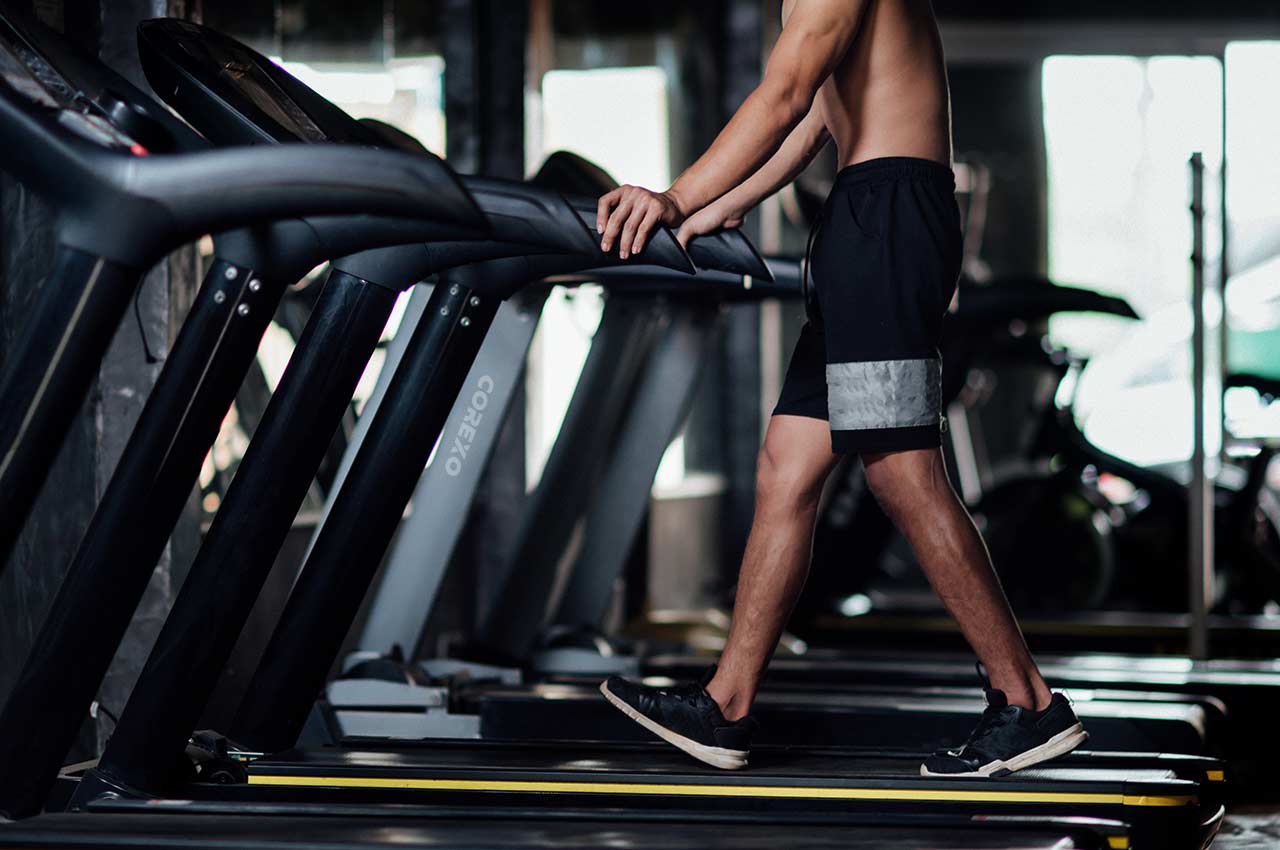
جهاز الجري المنحدر هو آلة لياقة مصممة لمحاكاة المشي أو الجري صعودًا عن طريق ضبط زاوية سطح الجري. تزيد حركة الانحدار هذه من المقاومة بشكل طبيعي ، مما يجعل التمرين أكثر صعوبة دون الحاجة إلى سرعة أعلى. يستخدم على نطاق واسع في الصالات الرياضية ومراكز إعادة التأهيل وبيئات التدريب الرياضي الاحترافية نظرًا لكفاءته في تحسين أداء القلب والأوعية الدموية وقوة الجزء السفلي من الجسم.
ما الذي يجعل تدريب الانحدار مختلفًا عن تمارين المطحنة المسطحة
مقارنةً بتمارين المشي المسطحة التقليدية، فإن التدريب المائل يقدم مقاومة الجاذبية، مما يجبر الجسم على إشراك المزيد من مجموعات العضلات أثناء الحركة. وهذا يؤدي إلى زيادة إنفاق الطاقة وتحسين كفاءة التدريب. عادة ما يختبر المستخدمون تنشيطًا أكبر في الألوية والعجول وأوتار الركبة ، مما يجعل مطاحن التمدد فعالة بشكل خاص في برامج حرق الدهون ونحت الجسم.
آلية أساسية وراء أنظمة ضبط الميل
تعمل المطاحن المنحدرة بشكل عام باستخدام نظامين رئيسيين: تعديل الميل الآلي وتعديل الميل الهيدروليكي أو اليدوي. تستخدم الأنظمة الآلية على نطاق واسع في معدات الصالة الرياضية التجارية لأنها تسمح بتغييرات سلسة ودقيقة وقابلة للبرمجة أثناء التدريبات. تعد الأنظمة الهيدروليكية أكثر شيوعًا في الطرز المبتدئة ، حيث توفر الوظائف الأساسية بتكلفة أقل ولكن مع مرونة أداء محدودة.
لماذا يهم نطاق الانحدار للاستخدام التجاري والمنزلي
يحدد نطاق الانحدار مدى تنوع جهاز المشي لشدة التدريب المختلفة. يسمح نطاق انحدار أوسع للمستخدمين بالتبديل بين تمارين المشي الخفيفة وجلسات الجري عالية الكثافة. في بيئات الصالة الرياضية التجارية ، يعمل نطاق منحدر أوسع على تحسين استخدام المعدات لأنه يدعم كل من الرياضيين المبتدئين والمتقدمين داخل نفس الجهاز.
الفوائد الرئيسية لأجهزة المشي المنحدرة في برامج التدريب على الجيم
يتم دمج أجهزة المشي المنحدرة على نطاق واسع في برامج اللياقة البدنية الحديثة لأنها تقدم نتائج فعالة في وقت تدريب أقصر. إن قدرتها على زيادة كثافة التمرين دون زيادة السرعة تجعلها مناسبة لكل من برامج إنقاص الوزن وأنظمة تدريب التحمل.
كفاءة حرق السعرات الحرارية العالية مقارنة بأجهزة المشي القياسية
يزيد المشي المنحدر بشكل كبير من استهلاك الأكسجين ، مما يؤدي إلى ارتفاع حرق السعرات الحرارية مقارنة بالجري المسطح بنفس السرعة. هذا يجعل مطاحن الانحدار فعالة للغاية للمستخدمين الذين يركزون على فقدان الدهون وتحسين التمثيل الغذائي ، خاصة في HIIT المنظم أو برامج التدريب المتقطعة المستخدمة بشكل شائع في الصالات الرياضية.
تنشيط العضلات في عضلات المؤخرة وأوتار الركبة والعجول
عندما يتم ضبط جهاز المشي على منحدر ، ينقل الجسم جهدًا بشكل طبيعي نحو عضلات السلسلة الخلفية. هذا يؤدي إلى مشاركة أقوى لعضلات الألوية وأوتار الركبة والعجول. مع مرور الوقت، يساعد ذلك على تحسين قوة الجزء السفلي من الجسم واستقرار الموقف والأداء الرياضي، مما يجعله مطاحن مائلة خيار مفضل لتدريب القلب الذي يركز على القوة.
تحسين أداء القلب والأوعية الدموية والقدرة على التحمل
يعزز التدريب المائل المنحدر المتسق قدرة القلب والرئة من خلال زيادة الطلب على القلب والأوعية الدموية. مع تكيف المستخدمين مع مقاومة الميل ، تتحسن قدرتهم على التحمل ، مما يسمح لهم بالحفاظ على تمارين أطول وأكثر كثافة. هذا يجعل المطاحن المنحدرة مكونًا رئيسيًا في مناطق القلب الرياضية الاحترافية.
الاختيار بين المطاحن التجارية والمنزلية
تتطلب بيئات الاستخدام المختلفة مواصفات جهاز المشي المختلفة. تتطلب الصالات الرياضية التجارية متانة أعلى واتساق الأداء ، بينما تعطي الصالات الرياضية المنزلية الأولوية للتصميم المدمج وسهولة الاستخدام. يساعد فهم هذه الاختلافات في ضمان قرارات استثمارية أفضل.
| ميزة | جهاز مشي منزلي | صالة رياضية تجارية |
|---|---|---|
| قوة المحرك | 1.5–3.0 حصان | 3.0-7.0 حصان |
| سعة الاستخدام اليومي | 1-3 ساعات | 8-15 ساعة أو أكثر |
| هيكل الإطار | خفيف الوزن من الصلب أو الألومنيوم | فولاذ مقوى ثقيل |
| نظام الميل | منحدر أساسي آلي | منحدر قابل للبرمجة متقدم |
| تردد الصيانة | من الانخفاض إلى المتوسط | مطلوب صيانة دورية مهنية |
| العمر المتوقع | 3-5 سنوات | 5-10 + سنوات |
تم تصميم مطاحن الانحدار التجاري للتشغيل المستمر في البيئات ذات الازدحام الشديد. يستخدمون محركات أقوى وإطارات معززة وأنظمة تحكم مطورة لضمان الاستقرار حتى في ظل الأحمال الثقيلة ودورات الاستخدام المتكررة.
قوة المحرك ومواصفات الأداء الهامة
يعد أداء المحرك أحد أهم العوامل الفنية عند تقييم جهاز المشي المنحدر. إنه يحدد مدى سلاسة عمل الجهاز ، والمدة التي يمكن أن تعمل فيها بشكل مستمر ، ومدى جودة تعاملها مع أوزان المستخدم المختلفة وشدة التدريب.
القدرة الحصانية المستمرة (CHP) مقابل قوة الذروة
تشير القدرة الحصانية المستمرة (CHP) إلى الإخراج المستدام الذي يمكن أن يحافظ عليه المحرك أثناء التشغيل المنتظم. هذا أكثر أهمية بكثير من ذروة القدرة الحصانية ، التي لا تمثل سوى رشقات نارية قصيرة من القوة. بالنسبة لمعدات الصالة الرياضية التجارية ، يضمن تصنيف CHP أداءً ثابتًا خلال الدورات التدريبية الطويلة دون ارتفاع درجة الحرارة أو انخفاض الأداء.
نطاق السرعة وقدرة تعديل مستوى الانحدار
يجب أن يوفر جهاز المشي المنحدر عالي الجودة نطاقًا واسعًا لدعم أهداف التدريب المختلفة ، من جلسات إعادة التأهيل البطيئة للمشي إلى تمارين الجري عالية السرعة. بالإضافة إلى ذلك ، يجب أن يستجيب تعديل المنحدر بسرعة وسلاسة ، خاصة في برامج التدريب المتقطع حيث تتغير الكثافة بشكل متكرر.
الاستقرار والأداء تحت حمل المستخدم الثقيل
يجب أن تظل معدات الصالة الرياضية مستقرة تحت الاستخدام المستمر من قبل العديد من المستخدمين لأوزان الجسم المختلفة. يضمن تصميم الإطار القوي مع محرك عالي العزم عدم اهتزاز جهاز المشي أو إبطائه أو يفقد دقة الانحدار أثناء التدريبات المكثفة.
نطاق الانحدار والتحكم في كثافة التمرين
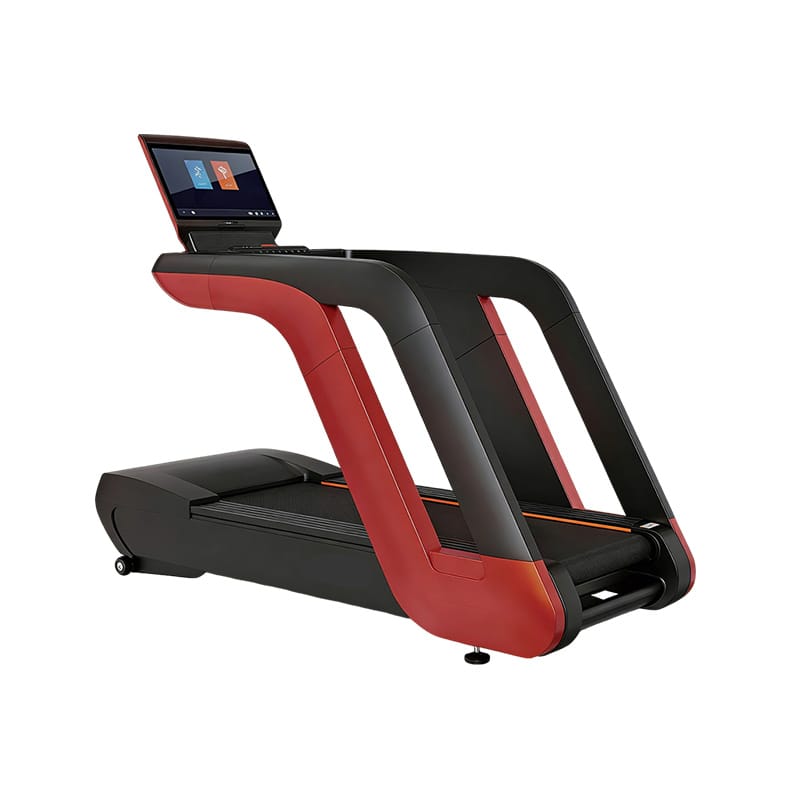
يلعب تعديل المنحدر دورًا مركزيًا في تخصيص التمرين. يسمح للمستخدمين بالتحكم في كثافة التدريب دون تغيير السرعة ، مما يجعله أداة متعددة الاستخدامات لبرامج اللياقة البدنية.
إعدادات منخفضة للمبتدئين واستخدام إعادة التأهيل
تعتبر مستويات الانحدار المنخفضة ، عادةً بين 11TP6 و 5% ، مثالية للمبتدئين وجلسات الإحماء والتدريب على إعادة التأهيل. توفر هذه الإعدادات مقاومة لطيفة مع تقليل تأثير المفاصل ، مما يجعلها مناسبة للمستخدمين الذين يتعافون من الإصابة أو أولئك الجدد في اللياقة البدنية.
مستويات انحدار عالية للتدريب المتقدم على حرق الدهون
تزيد إعدادات الانحدار الأعلى ، التي تتجاوز غالبًا 10% أو أكثر ، بشكل كبير من كثافة التمرين. يستخدم هذا المستوى بشكل شائع في تدريب HIIT وتكييف التحمل وبرامج حرق الدهون المتقدمة ، حيث يكون الهدف الأساسي تعظيم إنفاق السعرات الحرارية.
أنظمة ضبط الميل الأوتوماتيكي في الآلات الحديثة
حديث مطاحن مائلة غالبًا ما تتضمن أنظمة مائلة قابلة للبرمجة يتم ضبطها تلقائيًا أثناء برامج التمرين المحددة مسبقًا. يتيح ذلك للمستخدمين تجربة جلسات تدريب ديناميكية تحاكي تغييرات التضاريس في العالم الحقيقي ، وتحسين المشاركة وكفاءة التدريب.
حجم حزام الجري، ووسادة، وراحة المستخدم
راحة المستخدم هي عامل رئيسي في الرضا عن الصالة الرياضية ومعدلات استخدام المعدات. جهاز المشي المصمم جيدًا يقلل من مخاطر الإصابة ويعزز تجربة التمرين.
عرض الحزام وطوله لتشغيل الصالة الرياضية الآمنة
يوفر حزام الجري الأوسع والأطول مساحة أكبر للحركة ، مما يقلل من خطر الابتعاد أثناء التدريبات عالية السرعة أو عالية المنحدر. في الصالات الرياضية التجارية ، يُفضل أبعاد الحزام الأكبر لأنها تستوعب المستخدمين من مختلف الارتفاعات والأطوال.
تقنية امتصاص الصدمات لتقليل تأثير المفاصل
تم دمج أنظمة التوسيد المتقدمة في المطاحن عالية الجودة لتقليل الضغط على الركبتين والكاحلين وأسفل الظهر. هذه الميزة مهمة بشكل خاص في البيئات التجارية حيث يتم استخدام المعدات بشكل متكرر على مدار اليوم.
المواد السطحية ومقاومة التآكل على المدى الطويل
أحزمة الجري المتينة مصممة باستخدام مواد متعددة الطبقات تقاوم التآكل وتحافظ على قبضتها بمرور الوقت. هذا يضمن أداءً ثابتًا حتى بعد الاستخدام المطول في بيئات الصالة الرياضية ذات الازدحام الشديد.
الميزات الذكية وتكامل التدريب الرقمي
يتم توصيل معدات اللياقة البدنية الحديثة بشكل متزايد وقائمة على البيانات. تأتي المطاحن المنحدرة الآن مع أنظمة رقمية تعزز مشاركة المستخدمين ودقة التدريب.
برامج تدريبية مدمجة وأنماط تدريب
تسمح أوضاع التمرين المبرمجة مسبقًا للمستخدمين باتباع خطط اللياقة البدنية المنظمة دون تعديلات يدوية. تشمل هذه البرامج عادةً أنماط حرق الدهون والتحمل والتدريب المتقطع.
نظم رصد معدل ضربات القلب وتتبع اللياقة البدنية
تتيح المستشعرات المدمجة والاتصال القابل للارتداء تتبع معدل ضربات القلب في الوقت الفعلي. يساعد هذا المستخدمين في الحفاظ على مناطق التدريب المثلى للحصول على نتائج لياقة أفضل وتدريبات أكثر أمانًا.
اتصال بلوتوث وتكامل التطبيقات للصالات الرياضية الحديثة
تدعم العديد من أجهزة المشي التجارية الآن تطبيقات Bluetooth والهاتف المحمول ، مما يسمح للمستخدمين بتتبع التقدم وحفظ بيانات التمرين والمزامنة مع منصات اللياقة البدنية لمراقبة الأداء على المدى الطويل.
ميزات السلامة واعتبارات الصيانة
السلامة والصيانة ضروريان لضمان الكفاءة التشغيلية طويلة الأجل في بيئات الصالة الرياضية.
أنظمة التوقف في حالات الطوارئ وتصميم حماية المستخدم
تساعد ميزات الأمان مثل مفاتيح التوقف في حالات الطوارئ وأنظمة الإغلاق التلقائي في منع وقوع الحوادث أثناء المواقف غير المتوقعة. هذه الأنظمة قياسية في المعدات التجارية.
متطلبات الصيانة اليومية لمشغلي الجيم
تشمل مهام الصيانة الروتينية فحص محاذاة الحزام وتنظيف الغبار من حجرات المحرك وضمان تزييت الأجزاء المتحركة. تساعد الصيانة المناسبة على إطالة عمر المعدات وتقليل تكاليف الإصلاح.
التشحيم وتعديل الحزام والموثوقية طويلة المدى
يعد التشحيم المنتظم لسطح الجري وتعديل شد الحزام الصحيح أمرًا بالغ الأهمية للحفاظ على التشغيل السلس ومنع التآكل المبكر للمكونات الميكانيكية.
لماذا اختيار مصنع مفرغة منحدر مباشر مهم
يوفر العمل مباشرة مع الشركة المصنعة مزايا كبيرة من حيث كفاءة التكلفة وتخصيص المنتج وضمان الجودة. إنه يلغي طبقات التوزيع المتعددة ، مما يسمح للمشترين بالوصول إلى أسعار أكثر تنافسية ودعمًا فنيًا أفضل.
تقدم الشركات المصنعة أيضًا خدمات OEM و ODM ، مما يمكّن الشركات من تخصيص تصميم المطحنة والعلامات التجارية والميزات الوظيفية وفقًا لمتطلبات السوق. هذه المرونة ذات قيمة خاصة لسلاسل الصالة الرياضية والموزعين والعلامات التجارية الخاصة التي تتطلع إلى تمييز نفسها في الأسواق التنافسية.
كيفية تقييم موثوق مطحنة منحدر مورد
يجب أن يُظهر المورد الموثوق قدرة إنتاج قوية وأنظمة مراقبة الجودة المتسقة وخبرة التصدير الدولية. غالبًا ما تكون الشهادات مثل CE و ISO مؤشرات على امتثال التصنيع ومعايير سلامة المنتج.
بالإضافة إلى ذلك ، تعد القدرة الإنتاجية والجداول الزمنية للتسليم من العوامل الحاسمة لمشاريع الشراء واسعة النطاق. يمكن للموردين الذين لديهم إنتاج مستقر للمصنع ضمان التسليم في الوقت المناسب حتى للطلبات بالجملة ، وهو أمر ضروري لسلاسل الصالة الرياضية والموزعين الذين يوسعون عملياتهم.
الأخطاء الشائعة التي يجب تجنبها عند اختيار آلات المشي في صالة الألعاب الرياضية
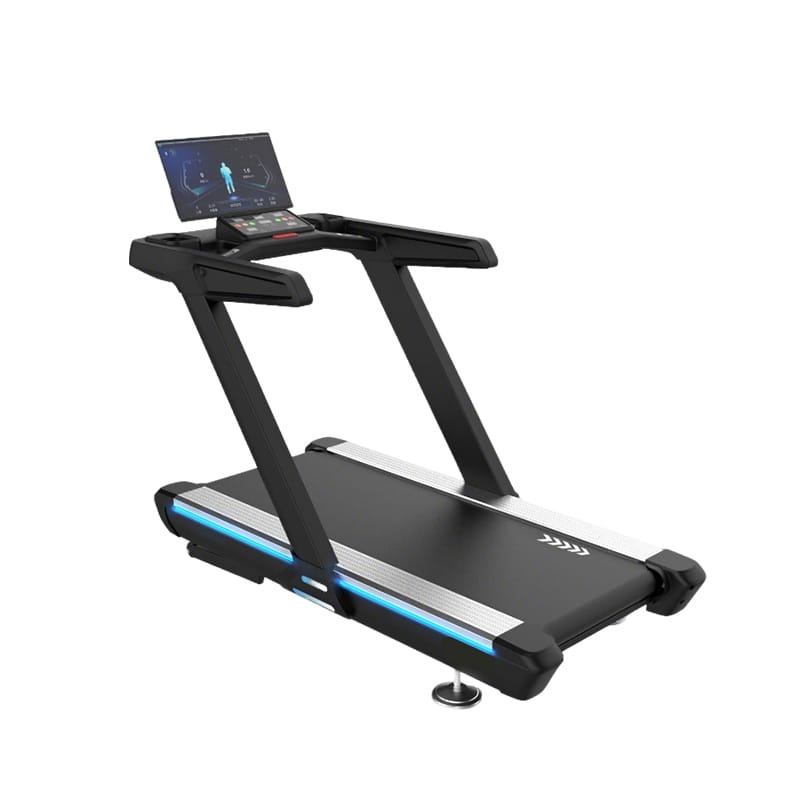
أحد الأخطاء الأكثر شيوعًا هو التركيز فقط على السعر مع تجاهل المواصفات الفنية مثل قوة المحرك وتصنيف دورة العمل. غالبًا ما يؤدي هذا إلى فشل المعدات أو ارتفاع تكاليف الصيانة بمرور الوقت.
هناك مشكلة متكررة أخرى وهي التقليل من متطلبات سعة المستخدم. يجب اختيار معدات الصالة الرياضية بناءً على كثافة الاستخدام الفعلي ، وليس فقط اعتبارات التكلفة الأولية. غالبًا ما يؤدي اختيار المعدات منخفضة الجودة لتقليل الاستثمار مقدمًا إلى نفقات أعلى على المدى الطويل بسبب الإصلاحات والاستبدال.
ختام
اختيار المنحدر الصحيح جهاز تدويس تتطلب صالة الألعاب الرياضية فهمًا شاملاً لمواصفات الأداء والمتانة الهيكلية وعوامل تجربة المستخدم. من السعة الحركية ونطاق الانحدار إلى أنظمة السلامة والتكامل الرقمي ، تساهم كل التفاصيل في القيمة الإجمالية وكفاءة المعدات.
بالنسبة لمشغلي الصالة الرياضية والموزعين والعلامات التجارية للياقة البدنية ، فإن الشراكة مباشرة مع مصنع محترف يضمن تحكمًا أفضل في التكلفة وجودة متسقة وخيارات تخصيص مرنة لتصنيع المعدات الأصلية. إن جهاز المشي المنحدر عالي الجودة ليس مجرد آلة لياقة ولكن أيضًا أحد الأصول طويلة الأجل التي تعزز القدرة التنافسية للصالة الرياضية ورضا المستخدم ونمو الأعمال.
أسئلة وأجوبة
ما هو جهاز المشي المنحدر المستخدم في صالة الألعاب الرياضية؟
يتم استخدام جهاز المشي المنحدر لمحاكاة المشي أو الجري في المنحدرات ، مما يزيد من كثافة التمرين دون زيادة السرعة. يستخدم بشكل شائع في الصالات الرياضية للتدريب على فقدان الدهون ، وتحسين التحمل ، وتقوية عضلات الجزء السفلي من الجسم.
هو ميل جهاز تدويس أفضل من جهاز المشي العادي؟
نعم ، في العديد من البرامج التدريبية يكون أكثر فعالية لأنه يزيد من حرق السعرات الحرارية وينشط المزيد من مجموعات العضلات ، وخاصة الألوية وأوتار الركبة والعجول. يستخدم على نطاق واسع في الصالات الرياضية التجارية لتمارين القلب عالية الكفاءة.
ما هو مستوى الانحدار الأفضل لحرق الدهون؟
لحرق الدهون ، يشيع استخدام مستويات ميل متوسطة إلى عالية بين 6% و 15%. يزيد هذا النطاق من المقاومة ويحسن استجابة معدل ضربات القلب ويساعد على زيادة استهلاك السعرات الحرارية أثناء التدريبات.
كيف أختار جهاز مشي منحدر تجاري لصالة رياضية؟
تشمل العوامل الرئيسية قوة المحرك (يفضل 3.0 حصان أو أعلى) ، وإطار فولاذي متين ، وحزام تشغيل عريض ، ونطاق انحدار قابل للتعديل ، ونظام امتصاص قوي للصدمات. بالنسبة للصالات الرياضية ، يوصى باستخدام نماذج من الدرجة التجارية مع أداء دورة عالية الخدمة.
هل يمكن استخدام أجهزة المشي المنحدرة للمبتدئين؟
نعم ، يمكن للمبتدئين استخدام مستويات ميل منخفضة (1%-5%) للمشي والتدريب على القلب الخفيف. هذا يساعد على تحسين صحة القلب والأوعية الدموية مع تقليل تأثير المفاصل وتقليل مخاطر الإصابة.