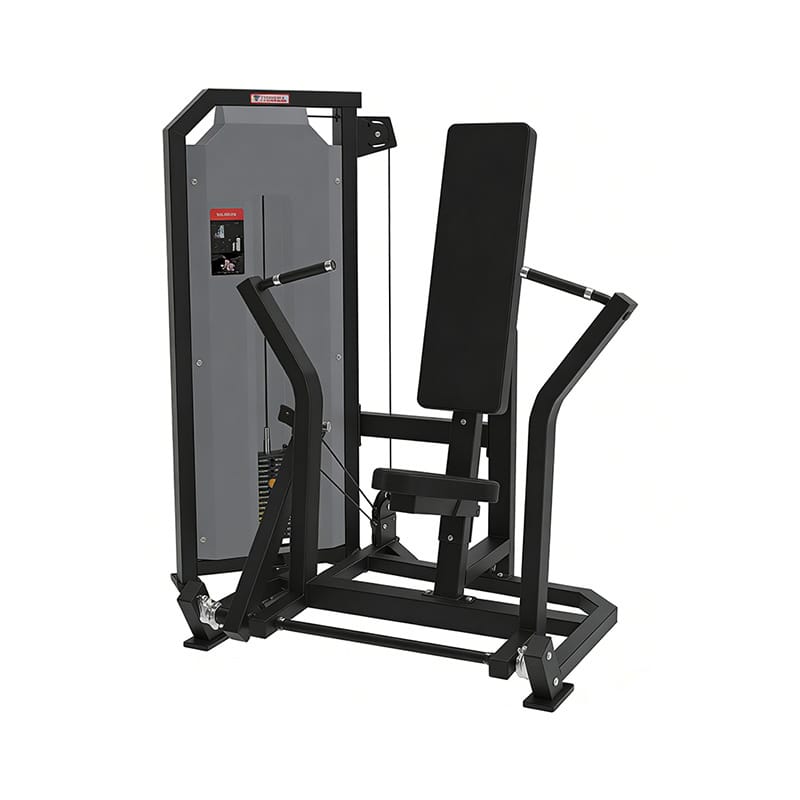
Plate Loaded Chest Press Machine Buyer Guide: Contents
- Define the equipment role
- Check user fit and adjustment
- Plan layout and accessibility
- Review construction and service
- Control procurement and acceptance
- Prepare daily operations
- Frequently asked questions
A plate loaded chest press machine for a commercial facility should be selected from a written operating need, not from appearance or a single headline specification. Buyers should connect the machine to the target users, training program, traffic, floor plan, accessibility, supervision, cleaning, maintenance, parts support, and long-term project responsibilities.
This guide helps gym owners, distributors, developers, hotel and apartment operators, and facility teams evaluate a plate loaded chest press machine for plate-loaded pressing. It is a decision framework rather than a repair or exercise prescription. Confirm final requirements with the current manufacturer instructions, applicable rules, qualified project professionals, and the organization responsible for operation.
Define the Role of the Plate Loaded Chest Press Machine Buyer
Begin by stating the primary search and buying intent in operational language. Record the facility type, expected operating hours, user experience, supervision level, peak periods, and the place of the plate loaded chest press machine within the complete strength offering. This prevents a popular machine from becoming an isolated purchase that weakens the overall program.
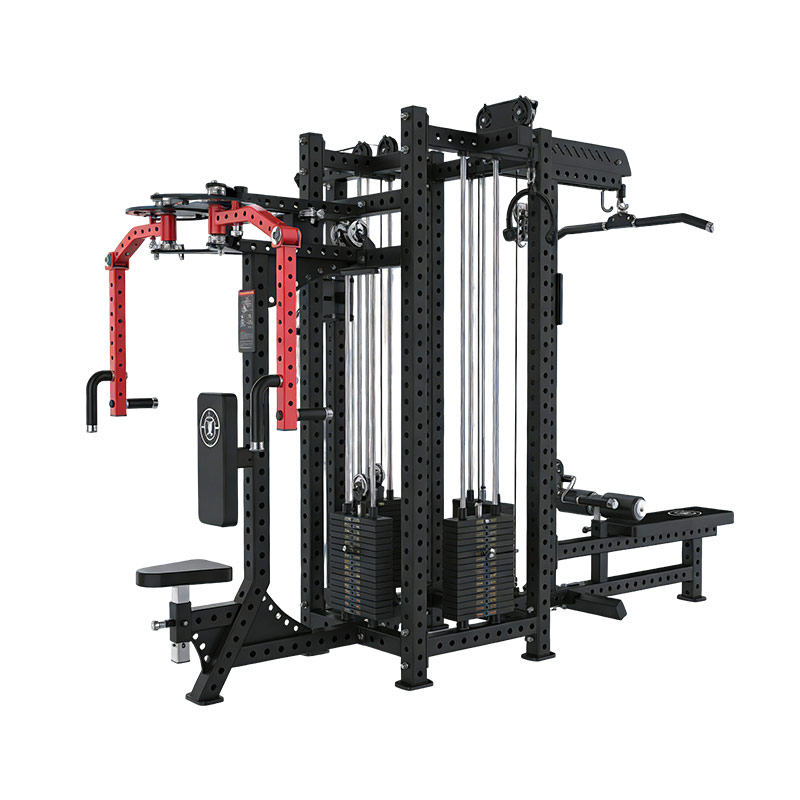
Map the intended movement pattern against the existing mix. The plate loaded chest press machine should add a clear function rather than duplicate another station without a reason. Review push, pull, lower-body, free-weight, plate-loaded, selected-strength, and functional choices together using the commercial strength training equipment guide.
Estimate demand at peak time. Consider how long setup and sets take, whether members will queue, how easily staff can explain the station, and whether a second unit or an alternative movement is needed. Average daily attendance alone can hide a short but important bottleneck.
Write acceptance criteria before contacting suppliers. Include intended use, loading format, adjustment needs, route and doorway limits, operating footprint, installation responsibility, documentation, standards evidence, staff orientation, spare parts, warranty administration, and the tests required before release.
Review MOY3 plate-loaded bench press as a relevant Corexo reference on the product page. Product pages are a starting point; confirm the current offered model, dimensions, configuration, documentation, loading method, installation needs, and commercial terms directly for the project.
Check User Fit, Adjustment, and Operating Clarity
A plate loaded chest press machine should allow the intended population to approach, establish a stable position, make adjustments, control the resistance, complete the movement, and exit without avoidable confusion. Review the full sequence rather than judging a seat, handle, or range in isolation.
Test adjustment range with a representative group where practical. Record seat or pad positions, handle access, starting position, foot support, visibility of instructions, resistance selection, transfer options, and any contact between the user and moving or fixed parts. Do not claim universal fit from one successful trial.
Controls and selectors should be easy to identify and use while the equipment remains controlled. Inspect labels, increments, pins, stops, guards, cables, belts, linkages, pivots, and potential pinch areas. More settings are useful only when users and staff can understand them.
Compare the resistance profile and movement path with the facility’s program. Ask the supplier to explain how geometry, starting position, loading, and adjustment work across the intended user range. Avoid unsupported claims about muscle activation, rehabilitation, or performance.
The ISO 20957-1:2024 overview describes general safety requirements and test methods for stationary training equipment. Equipment-specific parts of the ISO 20957 series can apply. Request the exact standard, edition, classification, and evidence for the offered plate loaded chest press machine rather than relying on a general logo.
Plan the Operating Envelope and Accessible Route
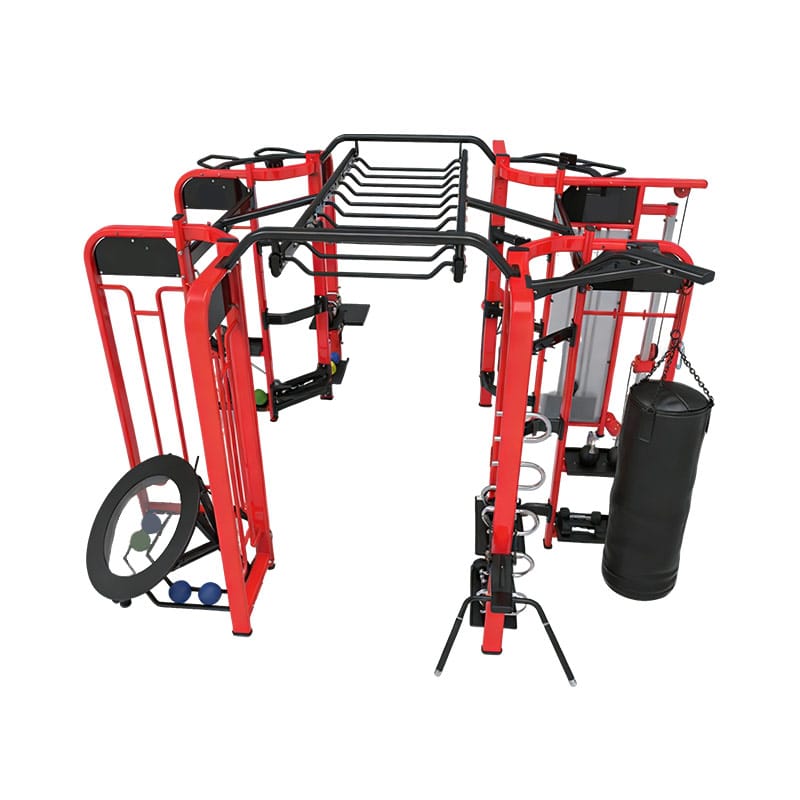
Plan from the verified operating and service envelope, not just the frame dimensions. Add space for entry, adjustment, full movement, transfer, loading or unloading, assistance where applicable, cleaning, inspection, opened covers, and maintenance access.
Keep circulation routes separate from the movement and loading zones. Position the plate loaded chest press machine so users do not back into an aisle or another station. Store accessories, plates, cleaning tools, and service items so they do not obstruct approach or create an unmanaged trip condition.
For U.S. projects, the U.S. Access Board recreation-facility provisions address clear floor space at exercise machines and equipment. The space must be positioned for transfer or use by a person seated in a wheelchair. Apply the complete ADA Standards and local interpretation to the actual project.
The Access Board clear-floor-space guide explains the dimensional building blocks used by the standards. Accessibility depends on the route, clear space, doors, controls, turning areas, and equipment mix, not only the machine selected.
Use a scaled layout and mark every operating zone. For constrained projects, make a physical mock-up with tape or temporary barriers. Recheck the plan after final selection because a small difference in length, loading direction, or service access can change the usable arrangement.
Coordinate flooring, structural support, anchoring where specified, power or data if required, lighting, ventilation, and neighboring equipment. Record who approves each interface so equipment supply, building work, and installation do not leave unresolved gaps.
Review Construction, Documentation, and Serviceability
Inspect the complete product system: frame, finish, upholstery, grips, fasteners, pivots, bearings, cables or belts, pulleys, guards, adjustment mechanisms, resistance components, labels, floor contacts, and wear parts. Ask how each component is inspected, cleaned, adjusted, and replaced.
Request current model-specific manuals before order. Documentation should address transport, assembly, installation, stability or anchoring where applicable, operating conditions, inspection, maintenance, warnings, parts identification, and authorized service. A general brochure does not replace these instructions.
Confirm parts and technical support in writing. Record normal lead times, stock arrangements, warranty claim steps, technical contacts, version control, and the plan for discontinued components. Serviceability can be more important to uptime than an additional cosmetic feature.
Review cleanability around pads, handles, covers, stacks, loading points, and floor contacts. Follow product material and chemical guidance. Link the model-specific routine to the commercial gym equipment cleaning checklist.
The OSHA walking-working-surface rule addresses clean and orderly surfaces, intended loads, access and egress, inspection, maintenance, and correction of hazardous conditions in U.S. workplaces. It does not replace equipment requirements, but it supports disciplined management of the surrounding area.
Control Procurement, Delivery, and Acceptance
Give every shortlisted supplier the same requirement schedule. Ask for a line-by-line compliance response that identifies the offered model, included items, exceptions, assumptions, optional items, buyer responsibilities, evidence, and delivery scope. This makes proposals comparable.
Evaluate total operating fit, not only purchase price. Include transport, route surveys, assembly, installation, anchoring where required, acceptance checks, staff orientation, documentation, preventive maintenance, parts, warranty administration, downtime, relocation, and eventual decommissioning.
Arrange a sample or demonstration when practical. Observe setup, adjustment, stability, movement, resistance changes, noise, labels, cleaning access, and exit. Use the same evaluation form for each candidate and preserve findings with the procurement record.
Prepare receiving controls before shipment. Use the commercial gym equipment receiving inspection checklist to confirm identity, quantity, visible condition, documentation, route readiness, exceptions, and controlled storage.
Do not release the plate loaded chest press machine merely because assembly is complete. Verify installation against current instructions, confirm the operating area, test adjustments and movement, check labels and guards, complete staff orientation, record exceptions, and authorize public use through the facility’s approved process.
Connect final acceptance to the commercial gym equipment installation checklist and preserve the asset identifier, model, serial number, location, manuals, inspection baseline, warranty information, and responsible contacts.
Prepare Inspection, Cleaning, and Staff Response
Create an inspection and maintenance schedule based on current manufacturer instructions, usage, environment, experience, and applicable requirements. Assign each task, define acceptable results, and state what happens when a defect or unusual condition is found.
Give staff a simple reporting path. They should know how to identify the machine, capture the observation, restrict access when required, notify the responsible person, preserve relevant evidence, and avoid unauthorized adjustment or repair.
Use the commercial gym equipment service log checklist to connect inspections, reports, technician findings, parts, restrictions, tests, approvals, and return-to-service decisions to one equipment history.
Review operating data after opening. Look at use patterns, queues, user questions, repeated settings, cleaning time, inspection results, service events, and downtime. Interpret the evidence with context instead of treating one complaint or one high-use count as proof of a design problem.
The ACSM facility standards and guidelines overview connects facility equipment with supervision, emergency planning, operating procedures, signage, and member orientation. Equipment decisions should fit the broader management system.
Plate Loaded Chest Press Machine Buyer Guide FAQ
What should commercial buyers compare first?
Define users, program, traffic, loading method, adjustment, floor space, accessibility, service capability, and documentation before comparing cosmetic features or isolated specifications.
How much space should be allowed?
Use the verified operating and service envelope for the exact model, then add required routes, transfer space, loading access, cleaning access, and local code clearances. Do not use frame dimensions alone.
What documents should the supplier provide?
Request current installation, operation, inspection, maintenance, parts, warranty, and safety information, plus applicable standards and test evidence for the exact offered model.
How should the machine be accepted?
Verify identity, condition, completeness, installation, stability or anchoring where specified, adjustments, labels, movement, surrounding space, documents, staff orientation, and formal release.
How often should the equipment be reviewed?
Use the manufacturer’s current instructions and a facility-approved schedule adjusted for use, environment, findings, incidents, and service history. Avoid inventing one universal interval.
Turn Search Demand Into a Defensible Equipment Decision
Ubersuggest reports approximately 1,300 monthly U.S. searches for the exact phrase “plate loaded chest press machine.” Search volume signals interest, but the purchasing decision still depends on project fit. Define the need, test user setup, plan the full operating envelope, verify serviceability, compare proposals consistently, and control acceptance.
Explore Corexo commercial fitness equipment and contact Corexo to discuss plate loaded chest press machine requirements, supporting documentation, layout coordination, and a project-specific equipment mix.