Table of Contents
Functional training equipment has become a practical planning choice for commercial gyms, boutique studios, hotel fitness rooms, apartment fitness centers, office gyms, and performance training centers. Buyers no longer want a room filled only with fixed machines. They need a zone where users can push, pull, rotate, squat, carry, stretch, and train with more freedom while still keeping the space organized and safe.
For project owners, the question is not simply whether functional training equipment looks modern. The real question is whether it helps the facility serve more users, support different training goals, reduce wasted floor area, and remain easy to manage during daily operation. A well-planned functional zone can support personal training, small group sessions, mobility work, general strength, conditioning, and warm-up routines without requiring a separate machine for every exercise.
This guide explains how to choose and place functional training equipment from a commercial project perspective. It is written for gym owners, hotel operators, property developers, office wellness planners, training center managers, and distributors who need durable equipment and a layout that works beyond the first installation day.
Why Functional Training Matters in Commercial Fitness Spaces
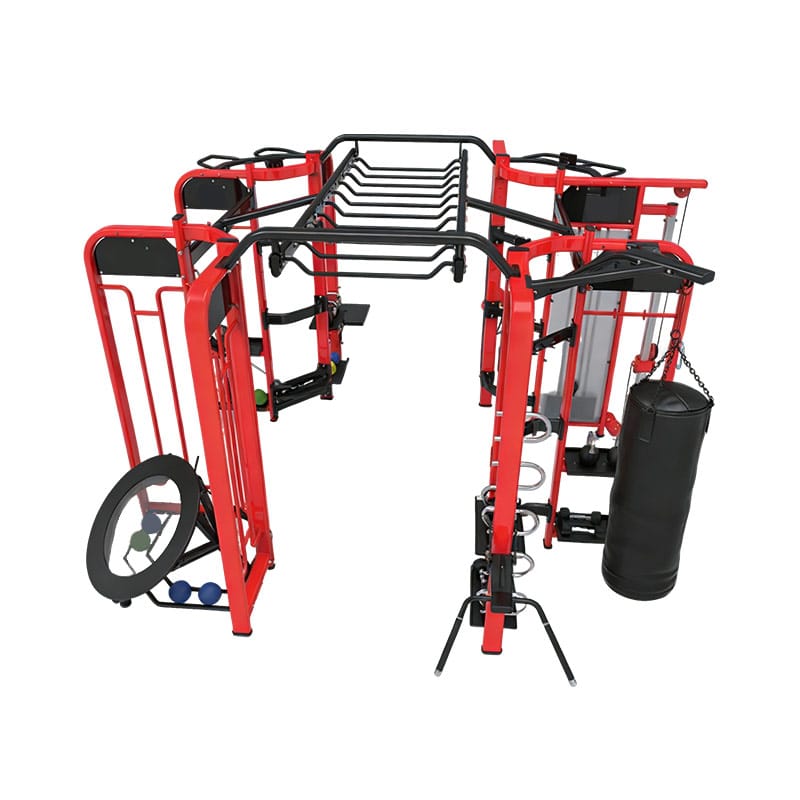
Modern members and guests often expect more than a traditional strength machine circuit. Many users want training that feels active, flexible, and close to real movement. Functional training equipment helps facilities answer that demand because it supports cable movements, suspension training, assisted bodyweight work, core exercises, mobility drills, and multi-directional strength work. The broader idea of functional training is movement-oriented, which is why functional training equipment should be planned around how people actually move rather than around product appearance alone.
Public health organizations such as the World Health Organization encourage adults to combine aerobic activity with muscle-strengthening activity. The CDC adult physical activity guidance also includes muscle-strengthening work as part of a balanced weekly routine. In a commercial facility, functional training equipment can support both strength and conditioning when the zone is planned with enough open space and clear movement paths.
The value is especially clear in facilities where the user mix is broad. A beginner may use a cable station for guided rows or presses. A personal trainer may use the same area for coaching movement quality. A hotel guest may complete a quick full-body session in limited time. A training center may use functional training equipment for athletic conditioning, mobility preparation, and accessory strength work.
Start With Search Intent: What Problem Should the Zone Solve?
Before selecting functional training equipment, define the main reason the zone exists. A commercial gym may want to increase training variety and support premium coaching. A hotel may want a compact area that allows a full workout without overcrowding the room. An apartment fitness center may need flexible equipment for residents with different training levels. An office gym may need simple, low-noise equipment for short sessions during the workday.
This search intent matters because functional training equipment can mean different things in different projects. In one facility, it may be a large multi-functional training stand. In another, it may be a compact cable station with accessories and open floor space. In a training center, it may be combined with racks, benches, free weights, and cardio equipment to create a complete performance area.
A useful planning question is simple: what workout should a user be able to complete in this zone without asking staff to move equipment? If the answer is unclear, the buyer may end up with attractive functional training equipment that does not support real daily use.
Match Equipment Type With Facility Type
The right functional training equipment depends on the facility type, expected traffic, supervision level, and floor area. Commercial gyms and training centers usually need stronger structures, more attachment points, and enough clearance for group or coach-led movement. Hotels, apartments, and offices often need equipment that is intuitive, compact, quiet, and easy to keep clean.
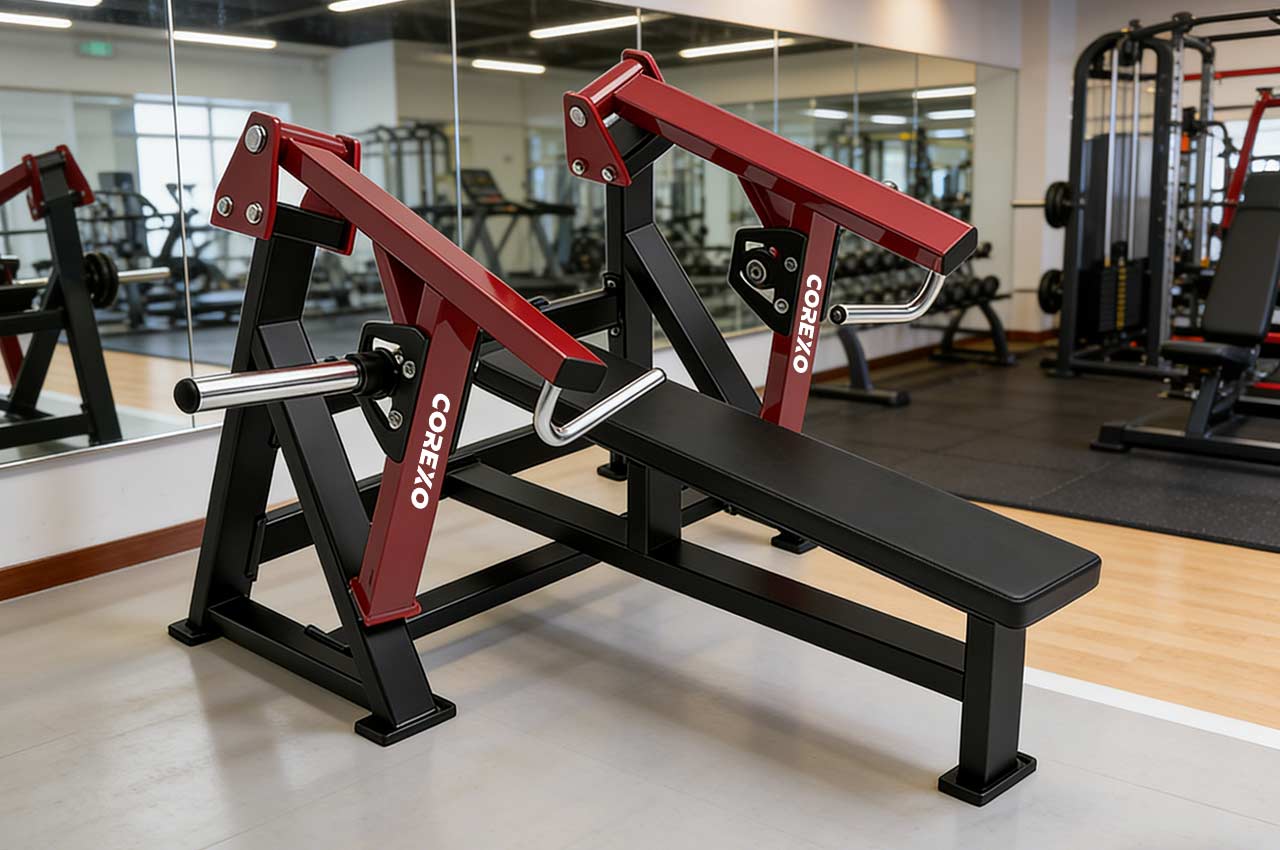
For a full commercial gym, functional training equipment should complement the main strength area. It should not replace selectorized machines, plate-loaded machines, benches, or racks. Instead, it adds movement variety and gives trainers a flexible coaching zone. Buyers planning a complete strength space can also review Corexo’s commercial strength training equipment guide to understand how functional systems fit beside traditional strength categories.
For hotel and apartment projects, the priority is usually efficient use of space. A compact functional station can give guests or residents more training options than several isolated accessories. Corexo’s hotel and apartment fitness equipment solutions are relevant when the project must balance appearance, noise control, durability, and simple operation.
Plan the Floor Area Around Movement, Not Just Footprint
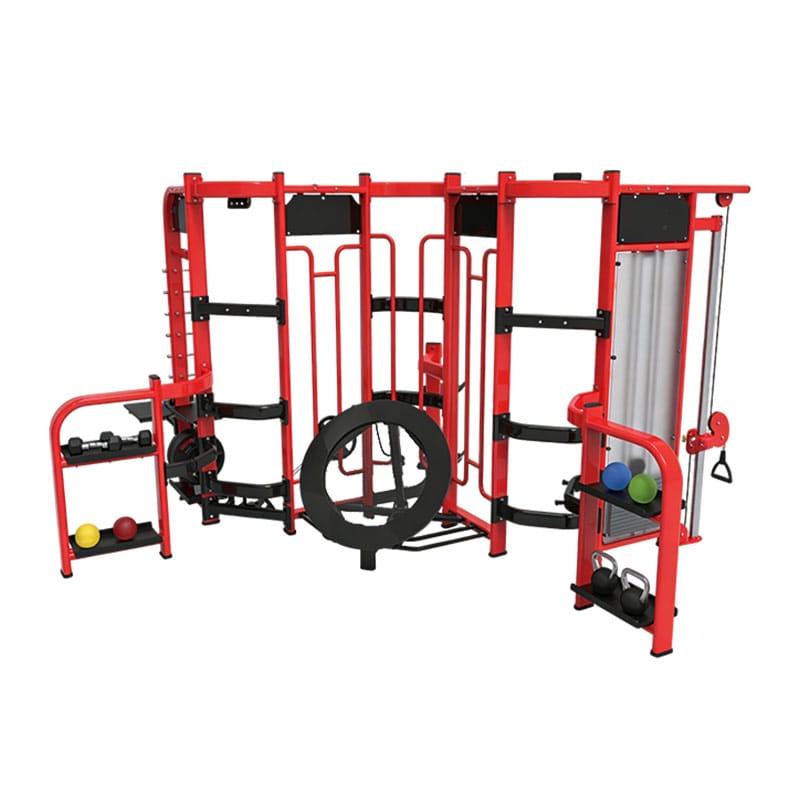
One common mistake is measuring only the equipment footprint. Functional training equipment needs usable space around it. Users may step backward during cable rows, rotate during chops, lie down for core work, pull from different angles, or move between stations during a circuit. If the equipment is pushed into a tight corner, the facility loses much of its training value.
A functional zone should include three layers of space: the equipment structure, the active movement area, and the circulation path. The circulation path is important in busy gyms because other users need to pass without crossing directly through an exercise lane. In hotels and offices, good spacing also makes the room feel more comfortable and less intimidating.
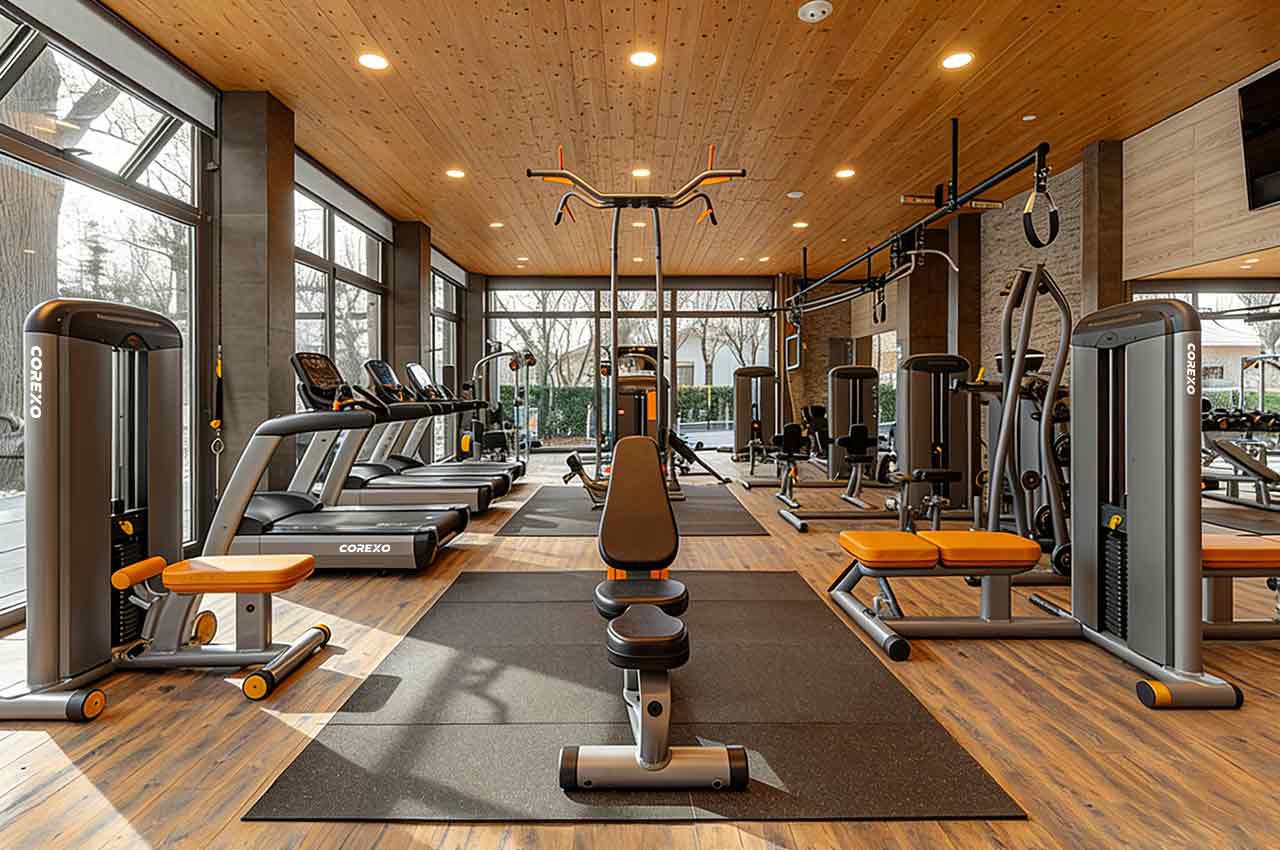
When planning functional training equipment, leave enough room for cable travel, bodyweight movement, accessory storage, trainer instruction, and emergency access. If the project includes benches, racks, or cardio machines nearby, avoid placing them where they interrupt pulling angles or floor exercises. For wider floor planning, the Corexo article on commercial gym equipment layout is a useful internal reference.
Evaluate Structure, Stability, and Maintenance
Commercial functional training equipment should be judged by structure before appearance. The frame must remain stable under repeated pulling, hanging, and multi-directional force. Weld consistency, tube thickness, surface coating, cable quality, pulley smoothness, handle durability, and anchoring options all influence long-term use.
Standards organizations such as ASTM International publish equipment-related standards that remind buyers why design, testing, and safety considerations matter in fitness environments. A buyer does not need to become a standards engineer, but the practical lesson is clear: commercial functional training equipment should be selected for repeated daily use, not only for showroom appearance.
Maintenance access is another important point. Staff should be able to inspect cables, attachment points, moving parts, and floor contact areas without dismantling the whole zone. If the facility operates many hours per day, downtime affects user satisfaction. Easy inspection and stable spare parts support are part of the true cost of ownership.
Choose Accessories With Discipline
Accessories make functional training equipment more versatile, but too many loose items can create clutter. Handles, ropes, bars, straps, mats, bands, medicine balls, and small training tools should be selected according to the actual programs the facility will support. A compact hotel gym does not need the same accessory list as a coached performance center.
A good accessory plan should be visible, organized, and easy to reset. Storage hooks, shelves, and defined return points help users keep the area clean. For unsupervised environments such as apartments and hotels, choose accessories that are durable, simple to understand, and less likely to be misplaced. For commercial gyms and training centers, the accessory system can be broader because trainers and staff are usually available to guide use.
- Cable handles and bars for pulling and pressing movements
- Ropes or straps for rotational and upper-body training
- Mats for mobility, core, and floor work
- Storage positions that keep accessories away from walkways
- Clear user flow so accessories do not block adjacent equipment
How to Combine Functional Training With Other Equipment
Functional training equipment works best when it is part of a balanced equipment plan. It can support movement variety, but it should not be expected to carry every training need by itself. Most commercial facilities still need a mix of cardio, strength machines, free power equipment, and open training space.
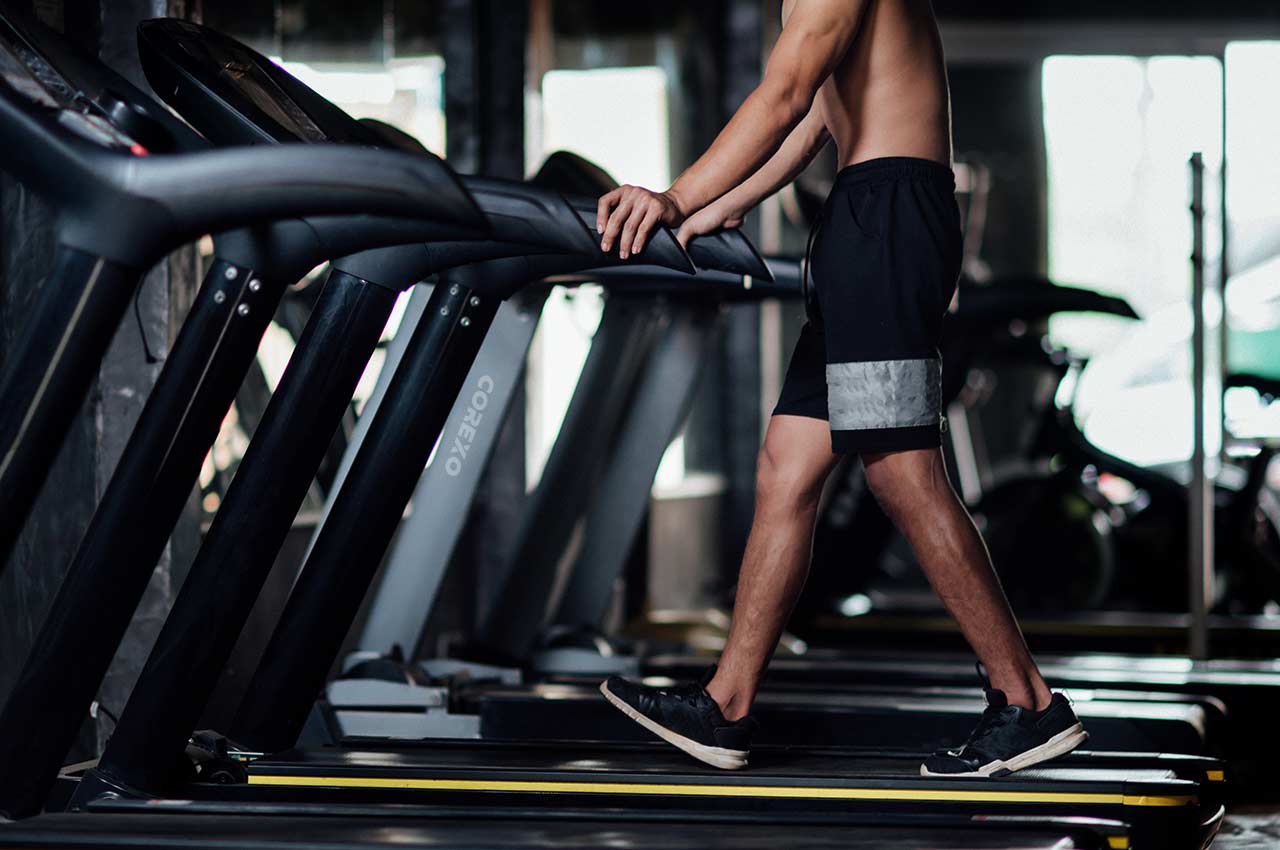
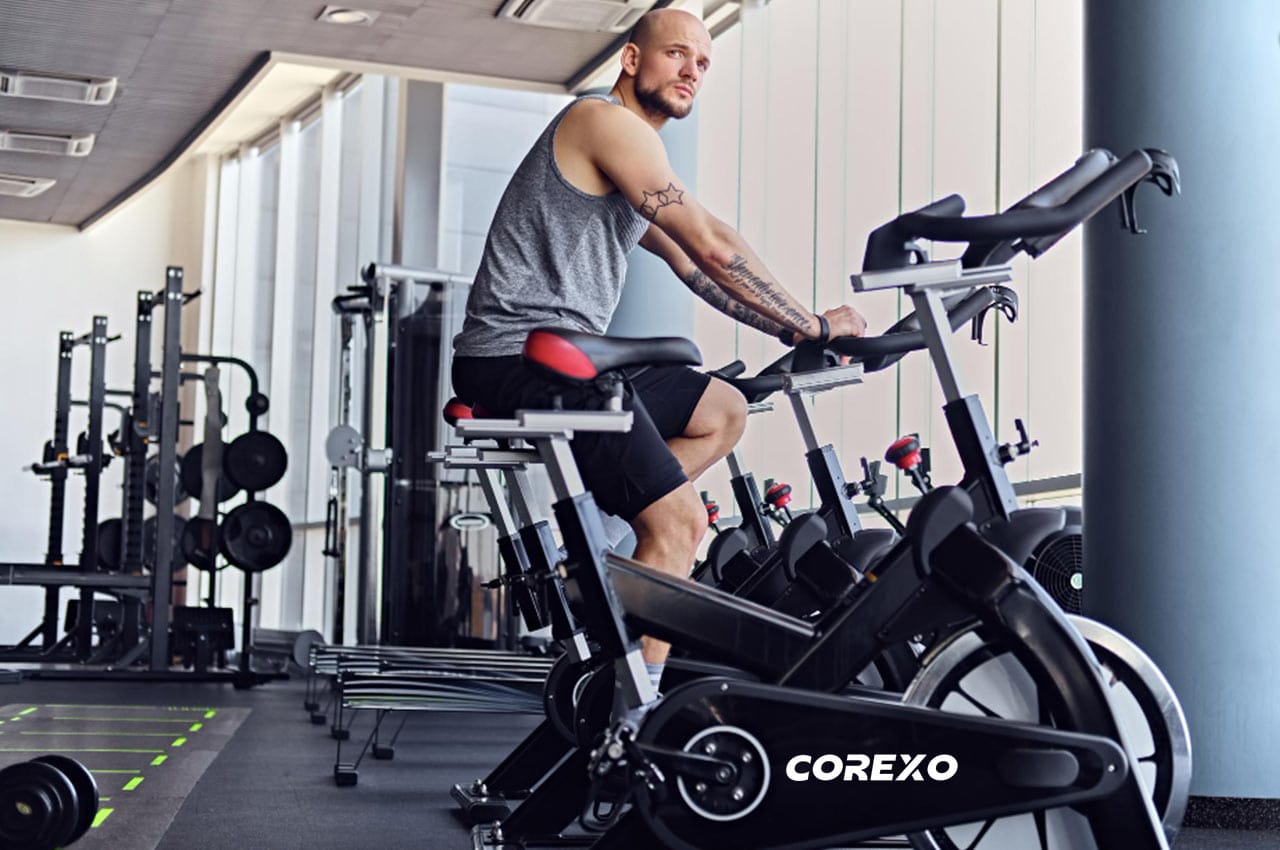
For example, a commercial gym may place functional training equipment near the free weight area so trainers can combine cable work, rack exercises, and dumbbell movements. A training center may place it near turf or open floor space for warm-ups and conditioning. A hotel fitness room may pair a compact station with a treadmill, exercise bike, elliptical machine, and a few easy-to-use strength options.
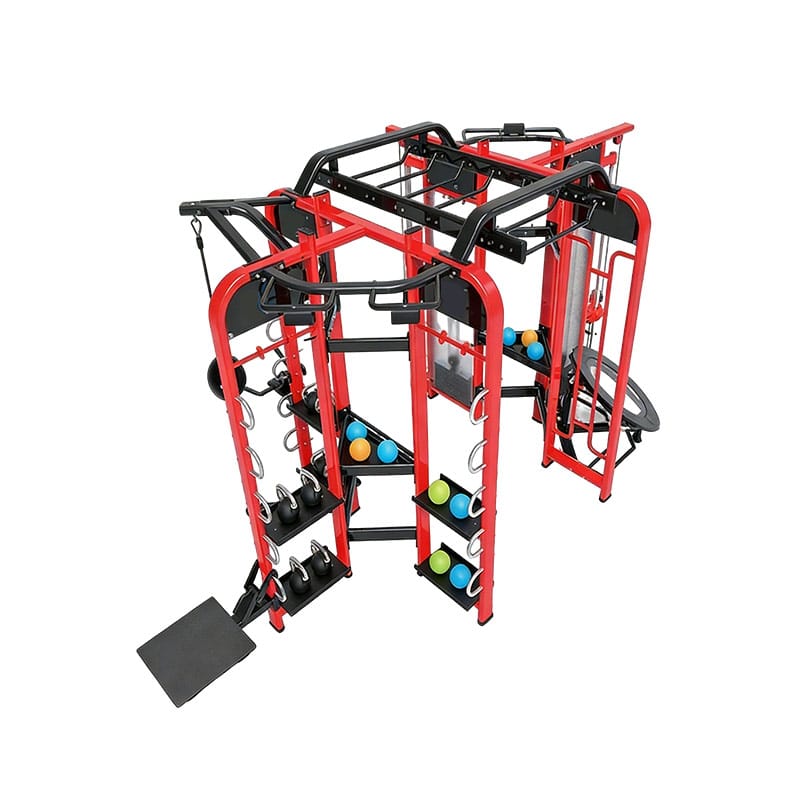
If the project also needs cardio planning, Corexo’s commercial cardio equipment guide explains how treadmills, bikes, ellipticals, and stair climbers support high-use spaces. Buyers can also explore Corexo’s FT multi-functional training stand series when comparing product configurations.
Functional Training Equipment Planning Checklist
| Planning Area | What to Check | Why It Matters |
|---|---|---|
| Facility type | Gym, hotel, apartment, office, studio, or training center | Defines the right size, structure, and accessory level |
| User profile | Beginners, general users, coached clients, athletes, guests, or employees | Prevents overbuying or choosing equipment that users avoid |
| Movement space | Clearance for pulling, stepping, rotating, and floor work | Protects safety and makes the zone usable during busy hours |
| Structure | Frame stability, cable path, pulleys, surface coating, and anchoring | Supports long-term commercial performance |
| Maintenance | Inspection access, spare parts, cleaning, and adjustment points | Reduces downtime and operating friction |
| Integration | Connection with cardio, strength, benches, racks, and open floor space | Creates a complete training experience instead of an isolated station |
Common Mistakes to Avoid
The first mistake is buying functional training equipment only because it looks impressive. A large structure can be a poor investment if the facility does not have enough open space, trainer support, or user demand. The second mistake is treating the zone as storage for every small accessory. Clutter reduces safety and makes the area harder to manage.
Another mistake is ignoring noise and maintenance. In hotels, apartments, and offices, users may train near guest rooms, residences, or work areas. Low-noise operation, smooth movement, and organized accessories matter. In commercial gyms and training centers, durability matters because the equipment may be used intensively throughout the day.
Finally, avoid isolating functional training equipment from the rest of the workout journey. Users should understand how the zone connects with warm-up, strength, cardio, stretching, and recovery. Good signage, intuitive layout, and staff familiarity all help the equipment earn its place.
How Corexo Supports Functional Training Projects
Corexo provides commercial fitness equipment for gyms, hotels, apartments, office gyms, training centers, and distributors. For projects that need functional training equipment, Corexo can support product matching, configuration discussion, and equipment combinations that connect functional systems with cardio, strength, benches, racks, and multi-station machines.
The FT multi-functional training stand series is designed for commercial spaces where flexibility, durability, and training variety matter. Depending on the project, functional training equipment can be used as a personal training zone, a small group training area, a compact hotel fitness feature, or a performance training support system.
Buyers planning a new project or upgrading an existing facility can contact Corexo to discuss space, target users, equipment mix, and custom configuration requirements. For broader purchasing decisions, the commercial fitness equipment supplier guide can help buyers evaluate supplier support, durability, customization, and long-term cooperation.
FAQ
What is functional training equipment?
Functional training equipment refers to systems and accessories that support flexible movement patterns such as pulling, pushing, rotating, squatting, stepping, core work, mobility, and bodyweight training. In commercial projects, it often includes multi-functional training stands, cable stations, attachment points, handles, ropes, straps, mats, and related accessories.
Is functional training equipment suitable for hotels and apartments?
Yes, but the configuration should be compact, intuitive, quiet, and easy to maintain. Hotels and apartments usually need functional training equipment that allows independent use without creating clutter or complicated setup steps.
How much space should be left around functional training equipment?
The required clearance depends on the structure and exercise options. Buyers should plan beyond the footprint and leave room for cable travel, floor work, rotation, trainer instruction, accessory storage, and safe circulation.
Can functional training equipment replace strength machines?
Usually no. It should complement strength machines, cardio equipment, benches, racks, and free weight areas. A balanced commercial fitness space gives users both guided strength options and flexible movement options.
What should buyers check before ordering?
Buyers should check frame stability, cable and pulley quality, usable movement space, maintenance access, accessory storage, user profile, facility type, and supplier support. These factors help functional training equipment perform well after installation.
Conclusion
Functional training equipment can add strong value to a commercial fitness project when it is planned around real user behavior. The best zones are not built by placing a large structure into leftover space. They are built by understanding the facility type, user profile, movement needs, safety clearance, maintenance access, and connection with the rest of the equipment plan.
For gyms, studios, hotels, apartments, offices, and training centers, functional training equipment offers a flexible way to support strength, mobility, conditioning, and coached sessions. When the structure is durable, the layout is clear, and the accessories are controlled, the zone can serve many users without becoming difficult to manage.
Corexo supports commercial project buyers with durable equipment options and configuration guidance. To compare product options, visit the FT multi-functional training stand series or contact Corexo for project planning support.