Table of Contents
Introduction
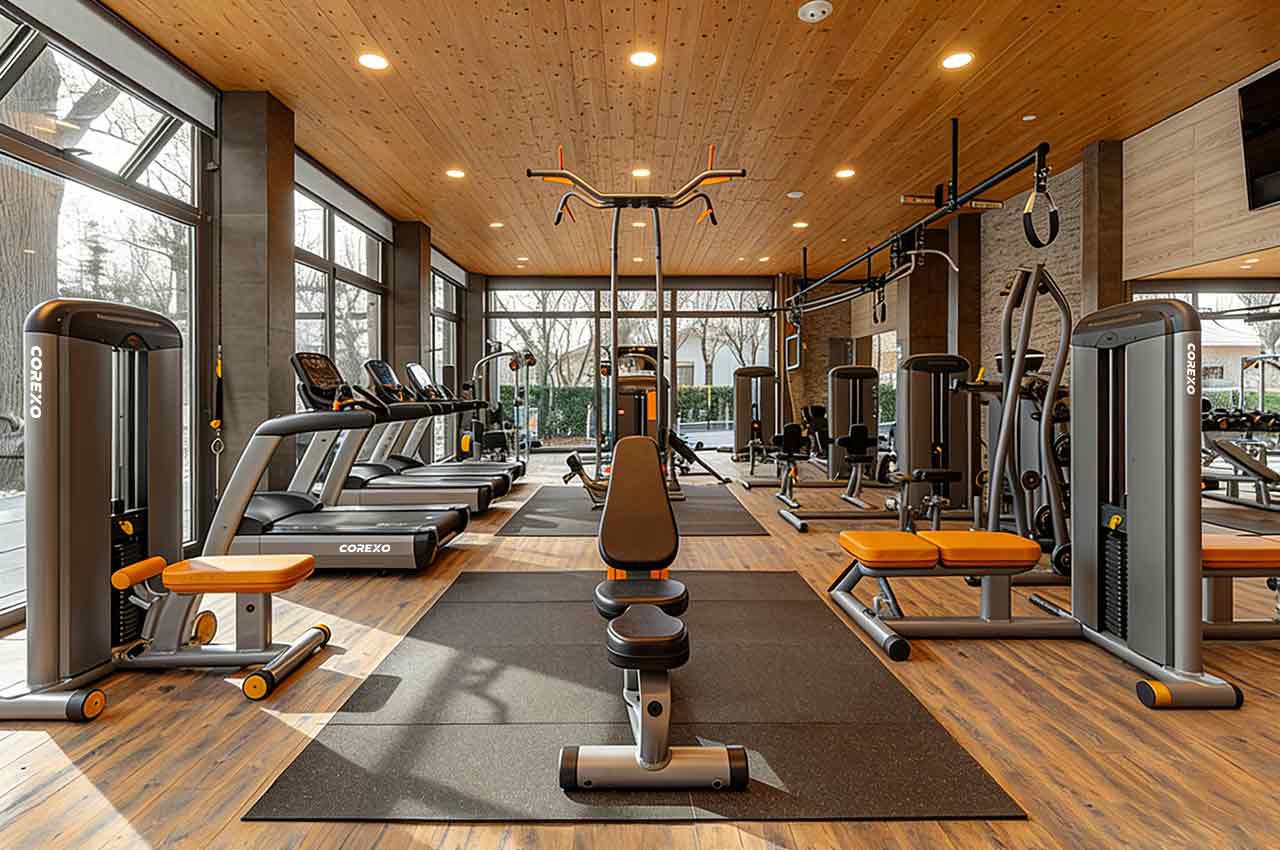
Commercial cardio equipment plays a major role in how users experience a fitness facility. Whether the project is a commercial gym, hotel fitness room, apartment gym, office wellness space, or training center, cardio machines are often the first equipment users notice and the easiest area for beginners to approach.
However, choosing cardio machines for a commercial space is very different from choosing equipment for personal use. Commercial cardio equipment must handle repeated daily use, different user body types, long operating hours, cleaning routines, noise control, and maintenance needs. A machine that looks suitable in a catalog may not perform well in a busy facility if the frame, motor system, resistance system, console, belt, bearings, pedals, or moving structure are not designed for commercial operation.
Corexo provides commercial fitness equipment for gyms, hotels, apartments, offices, and training centers, including aerobic training equipment for different cardio training needs. This guide explains how to choose commercial cardio equipment from a project buyer’s perspective, with a focus on durability, user experience, facility type, layout planning, and long-term value.
Why Commercial Cardio Equipment Still Matters in Modern Gyms
Strength training and functional training have grown quickly, but cardio equipment remains essential in most commercial fitness environments. Users depend on cardio machines for warm-ups, weight management, endurance training, low-impact exercise, rehabilitation-friendly movement, and general health routines.
Public health organizations such as the World Health Organization and the CDC both emphasize aerobic activity as an important part of adult physical activity. For gym planners and facility buyers, this means cardio zones should not be treated as decoration. They should be planned as active training areas that support different ages, fitness levels, and workout goals.
Commercial cardio equipment helps facilities provide:
Accessible training for beginners
Warm-up options before strength training
Endurance training for regular members
Low-impact exercise options
Short workouts for office users
Convenient fitness access for hotel guests
Daily activity support for apartment residents
Balanced training programs for professional facilities
A well-selected cardio zone can make a facility feel more complete, more welcoming, and easier to use.
Understand the Main Types of Commercial Cardio Equipment
Different cardio machines serve different users and training goals. A strong equipment plan usually combines several machine types instead of relying on only one category.
| Cardio Equipment Type | Main Training Benefit | Best-Fit Facility Type |
|---|---|---|
| Treadmill | Walking, jogging, running, interval training | Commercial gyms, hotels, apartments, offices |
| Exercise bike | Low-impact cardio, seated training, warm-up | Hotels, apartments, offices, senior-friendly spaces |
| Elliptical machine | Low-impact full-body cardio | Commercial gyms, hotels, apartments |
| Stair climber | High-intensity lower-body cardio | Commercial gyms, training centers |
| Rowing machine | Full-body endurance and power training | Gyms, training centers, functional zones |
| Recumbent bike | Comfortable low-impact cardio | Hotels, apartments, offices, wellness spaces |
Corexo’s aerobic training equipment category supports different cardio training needs for commercial projects. The right selection depends on the facility size, user group, training intensity, noise requirements, and expected daily traffic.
Start With the Facility Type Before Choosing Machines
A commercial gym and a hotel gym may both need cardio equipment, but their buying logic is different. The facility type should guide the equipment mix.
A commercial gym usually needs a wide variety of machines because users have different training goals. Some members want treadmills for running, some prefer low-impact ellipticals, and others may want stair climbers for high-intensity workouts. In this environment, commercial cardio equipment should be durable enough for long daily operation and frequent use.
A hotel gym needs equipment that is easy to understand, visually professional, quiet, and suitable for guests who may only train briefly. A guest should not need long instructions to start a workout.
An apartment gym needs equipment that can serve residents of different ages and training levels. Space efficiency, noise control, and maintenance convenience are especially important.
An office gym often requires low-noise, practical equipment for short workouts during breaks. Users may prefer simple cardio machines, compact strength equipment, and stretching space.
A training center may need cardio equipment that supports warm-ups, conditioning, endurance work, and athletic training.
Corexo provides application solutions for commercial gyms, hotel and apartment fitness spaces, office gyms, and training centers. Matching the cardio equipment plan to the facility type helps avoid choosing machines that look useful but do not fit real user behavior.
Match Cardio Machines With User Experience
Commercial cardio equipment should be selected based on how users actually train. A good cardio zone should feel approachable, comfortable, and efficient.
For beginners, simple operation matters. Users should be able to step onto a machine, adjust settings, and start training without confusion. For experienced users, performance options such as resistance control, speed variation, incline adjustment, or interval training support may be important. For hotels and offices, users often prefer quick-start functions and intuitive controls.
User experience depends on details such as:
Comfortable handles
Stable pedals or running surface
Smooth movement
Easy console operation
Clear display information
Safe entry and exit
Low vibration
Reasonable noise level
Comfortable stride or seat position
Stable resistance adjustment
A cardio machine that feels uncomfortable will be used less, even if it looks good. For commercial buyers, the best equipment is not only durable but also easy for many different users to accept.
Durability Is the Core of Commercial Cardio Equipment
Commercial cardio equipment works under demanding conditions. A treadmill in a busy gym may be used repeatedly throughout the day. An exercise bike in an apartment gym may be used by residents with different training habits. An elliptical machine in a hotel gym must operate quietly while maintaining a premium experience.
Durability should be evaluated through structure, movement quality, and maintenance design.
Important durability factors include:
Frame stability
Motor or resistance system reliability
Belt and deck quality for treadmills
Pedal and crank stability for bikes
Smooth movement for ellipticals
Bearing and transmission quality
Console durability
Sweat and cleaning resistance
Low-noise operation
Easy service access
Replacement parts support
For commercial environments, appearance alone is not enough. Buyers should ask whether the equipment is designed for repeated use, frequent cleaning, and long-term operation.
Guidelines from organizations such as the American College of Sports Medicine show that fitness facility planning involves safety, operation, and equipment considerations. For buyers, this reinforces the importance of choosing cardio machines that support real facility use rather than short-term presentation.
Plan Cardio Zones Around Traffic Flow
Cardio equipment is often placed near the front of a gym or along windows because it creates visible activity. This can be effective, but the layout must still support safety and comfort.
A cardio zone should consider:
Walking paths behind machines
Entry and exit space
Distance between users
Ventilation
Noise direction
Power access
Visibility from staff areas
Connection to stretching and strength zones
Emergency access
Cleaning access
Treadmills usually need more clearance behind the machine because users step off from the rear. Ellipticals and bikes require enough side clearance for users to get on and off comfortably. Stair climbers may need additional attention because users are elevated during training.
A crowded cardio zone can make users feel uncomfortable and may create safety issues during peak hours. A well-planned zone makes movement simple and reduces operational problems.
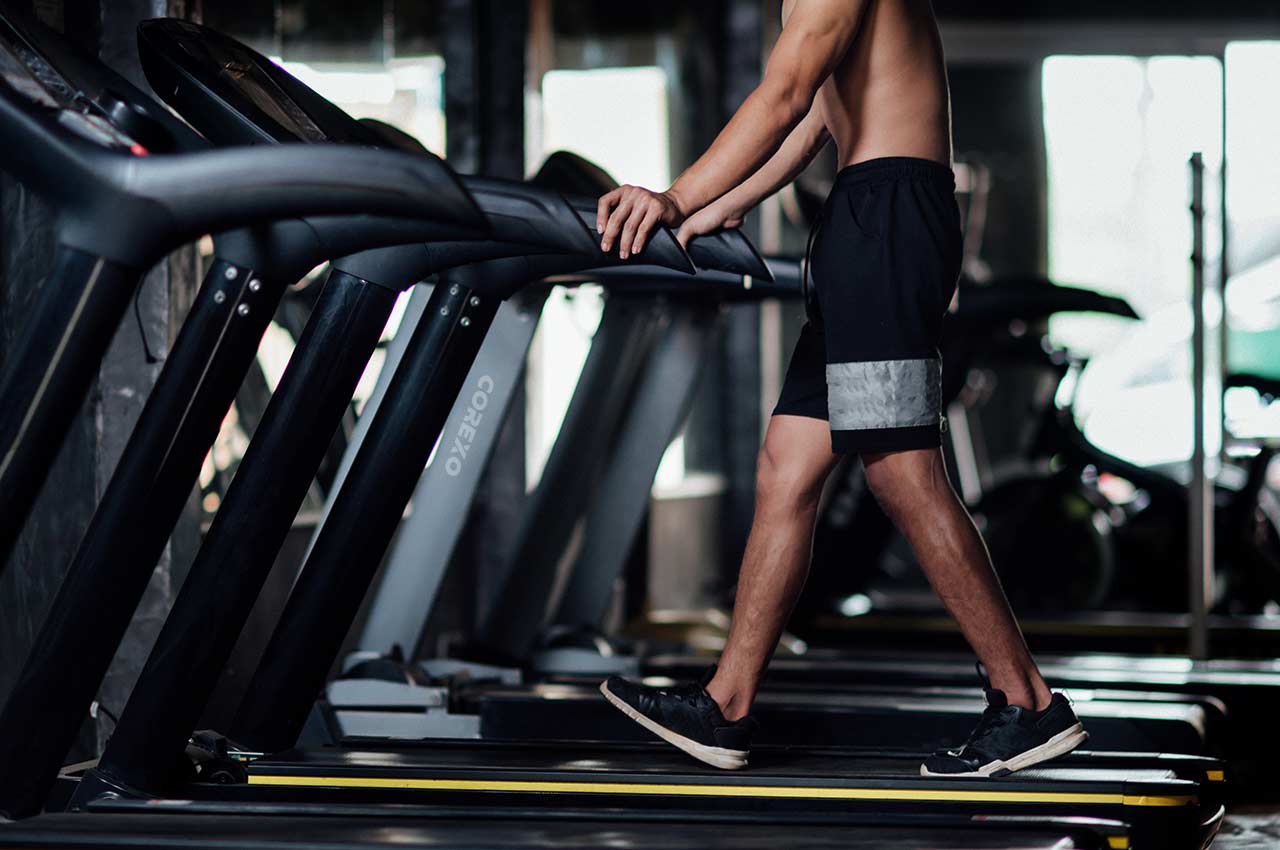
Choose Treadmills Carefully for Commercial Use
Treadmills are one of the most common types of commercial cardio equipment, but they are also among the most demanding machines from a maintenance perspective. Because they include motors, belts, decks, rollers, consoles, and moving surfaces, quality matters greatly.
When choosing commercial treadmills, buyers should evaluate:
Frame stability
Running surface size
Belt durability
Motor performance
Deck cushioning
Console usability
Noise level
Emergency stop function
Ease of cleaning
Service access
Treadmills are suitable for walking, jogging, running, and interval training. They are useful in commercial gyms, hotels, apartments, and offices. However, not every facility needs the same treadmill quantity. A hotel gym may need fewer treadmills and more balanced equipment. A commercial gym may need multiple treadmills to handle peak-hour demand.
The goal is not to buy the maximum number of treadmills. The goal is to provide enough capacity without overcrowding the cardio zone.
Exercise Bikes Are Practical for Many Facilities
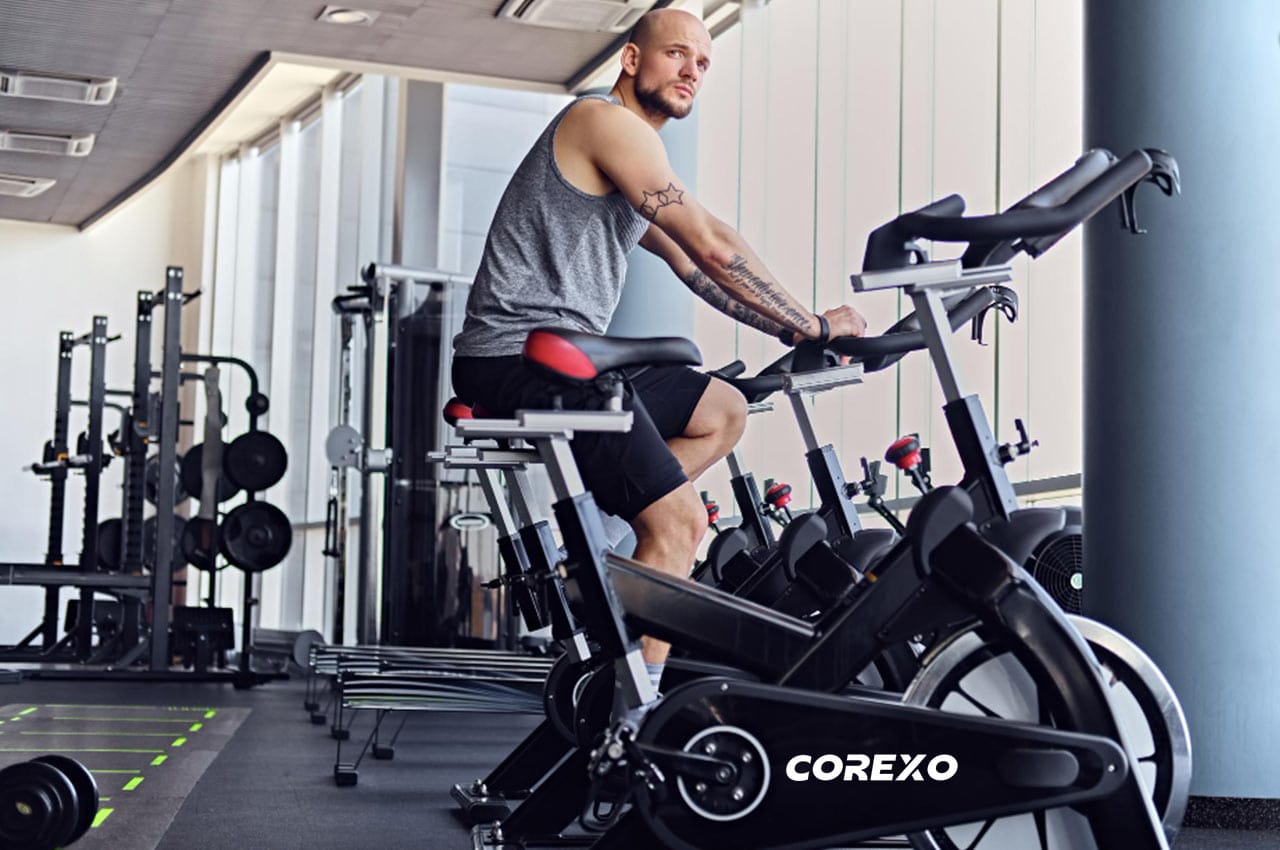
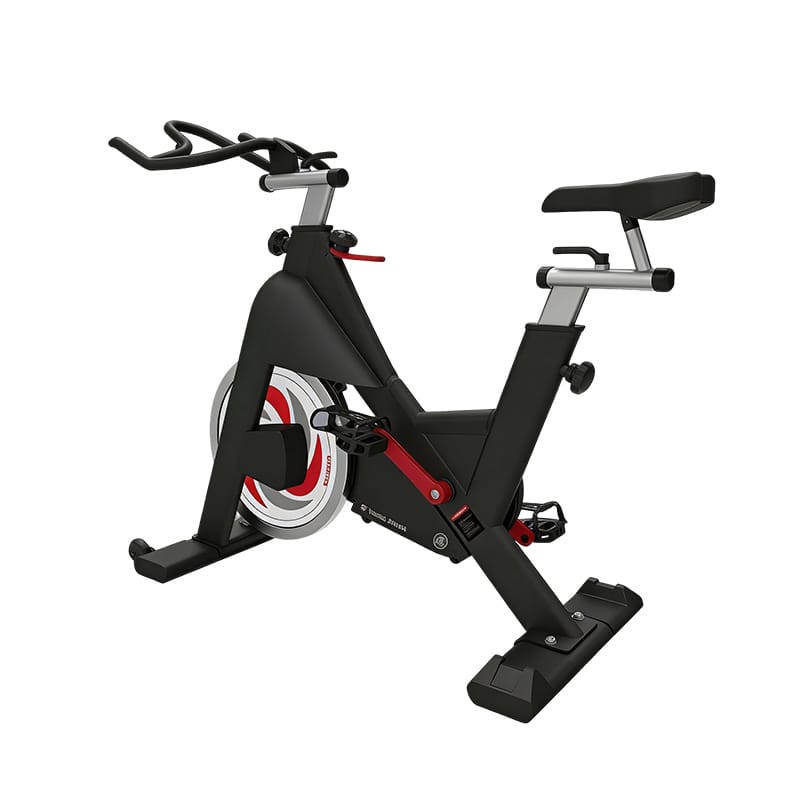
Exercise bikes are popular because they offer low-impact cardio training and are easy for many users to operate. They are especially useful in hotels, apartments, offices, and wellness spaces where users may prefer seated training.
Common commercial bike types include upright bikes, recumbent bikes, and indoor cycling-style bikes. Each type serves a different user group.
Upright bikes are compact and familiar.
Recumbent bikes provide more back support and comfort.
Indoor cycling-style bikes support higher-intensity training.
When selecting exercise bikes, buyers should check seat adjustment, pedal stability, resistance smoothness, handle comfort, console durability, and frame stability. For shared spaces, the adjustment system should be simple and reliable because many users will change the seat position throughout the day.
Exercise bikes can also be useful in strength-focused gyms because they provide warm-up and recovery options without using as much space as some larger cardio machines.
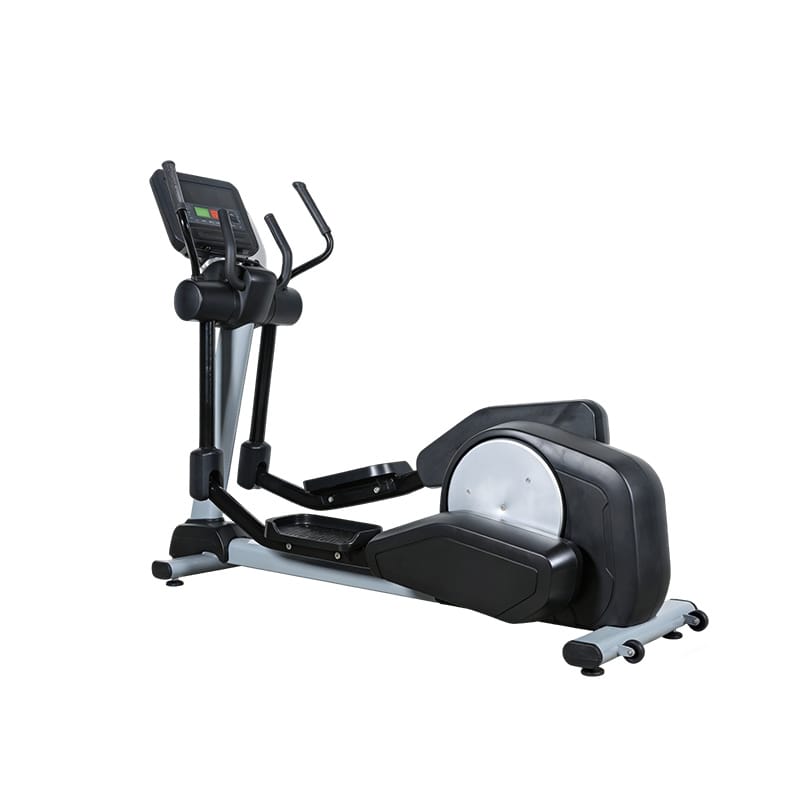
Elliptical Machines Support Low-Impact Full-Body Cardio
Elliptical machines are valuable because they provide a low-impact movement pattern while engaging both lower and upper body muscles. This makes them suitable for users who want cardio training without the repeated impact of running.
Commercial elliptical machines are often used in gyms, hotels, and apartment fitness rooms. They are especially useful when a facility wants to provide a more comfortable alternative to treadmills.
When choosing elliptical machines, buyers should evaluate:
Stride comfort
Handle stability
Pedal spacing
Resistance smoothness
Frame stability
Console clarity
Noise level
Movement consistency
Ease of cleaning
An elliptical machine should feel smooth throughout the full movement path. If the stride feels awkward, users may avoid it. For commercial projects, user comfort is a key factor in long-term equipment value.
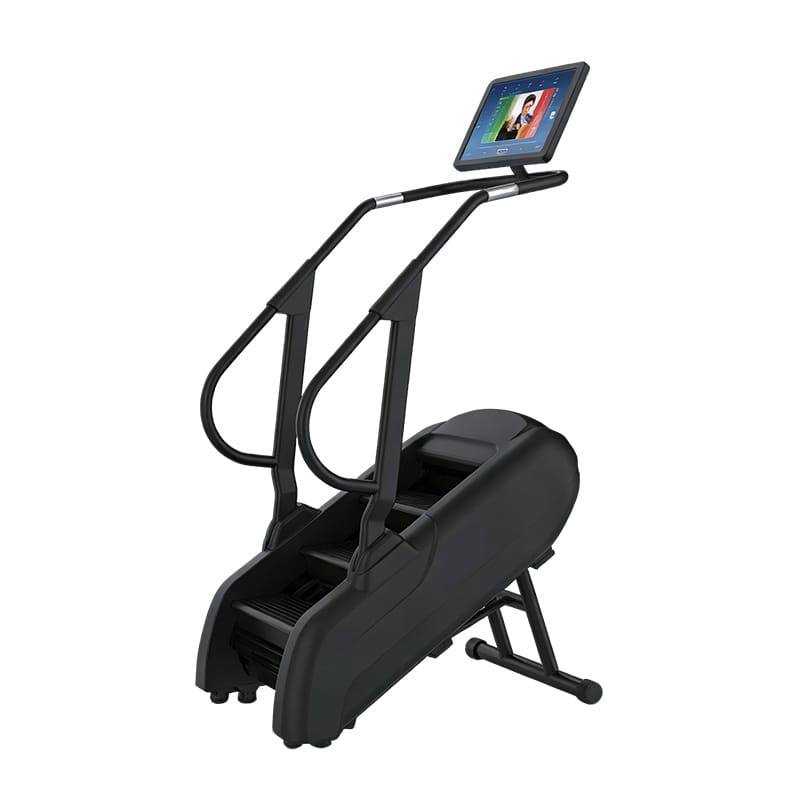
Stair Climbers Create High-Intensity Training Value
Stair climbers are popular in many modern commercial gyms because they deliver a challenging lower-body cardio workout. They are especially attractive for users who want higher-intensity training, glute and leg endurance, or more demanding cardio sessions.
However, stair climbers are not always necessary for every facility. They are best suited for commercial gyms, training centers, and fitness spaces where users expect advanced cardio options.
When selecting stair climbers, buyers should consider:
Step stability
Handrail comfort
Motor or drive system reliability
Emergency stop design
Console usability
Noise control
Height clearance
Service access
User safety during entry and exit
Stair climbers can become high-use machines in the right facility, but they require proper spacing and careful placement. They should not be squeezed into narrow areas or placed where user entry and exit are difficult.
Balance Cardio With Strength and Functional Training
A cardio zone should not be planned in isolation. It should fit into the full training experience.
Modern fitness facilities often combine cardio with strength training equipment, free power equipment, and functional training systems. This allows users to complete balanced workouts rather than relying on one training style.
A practical user journey might look like this:
Cardio warm-up
Strength machine training
Free weight exercises
Functional or core training
Stretching and recovery
For hotels and offices, the journey may be shorter, but balance still matters. A user may complete 15 minutes of cardio, a simple strength circuit, and a stretching session. For apartment gyms, a balanced equipment mix can serve more residents with different preferences.
Commercial cardio equipment should support the whole facility strategy, not compete with other zones for space.
Consider Noise and Vibration Before Installation
Noise is one of the most important factors for cardio equipment in hotels, apartments, offices, and mixed-use buildings. Even high-quality machines can create vibration if the flooring, spacing, or placement is not suitable.
Noise and vibration may come from:
Running impact on treadmills
Machine motors
Drive systems
Pedal movement
Loose components
Floor structure
Improper installation
Poor maintenance
Buyers should consider the surrounding environment before choosing and placing machines. A cardio zone near guest rooms, offices, residential units, or quiet areas requires extra attention. Flooring, machine spacing, and equipment quality can all influence the final experience.
For office gyms and hotel fitness rooms, quiet operation is often a major part of user satisfaction. Equipment should feel stable and smooth, not disruptive.
Maintenance Planning Protects Long-Term Operation
Cardio equipment needs regular cleaning and inspection because users touch consoles, handles, seats, pedals, and moving parts every day. Sweat, dust, and repeated use can affect performance over time.
A commercial cardio equipment plan should include maintenance considerations from the beginning.
Buyers should ask suppliers about:
Cleaning guidance
Daily inspection points
Belt and deck maintenance
Resistance system inspection
Console protection
Spare parts availability
Technical support
Installation guidance
Service access
Machines should be placed so staff can clean around them and inspect key components. If machines are placed too close together, maintenance becomes harder and downtime may increase.
Corexo focuses on commercial-grade equipment, easy maintenance, and stable project support. Buyers planning a new fitness room or upgrading an existing cardio zone can discuss equipment matching through the Corexo contact page.
Commercial Cardio Equipment Selection Checklist
Before confirming an order, buyers can use this checklist to review the project.
| Planning Area | What to Check | Why It Matters |
| Facility type | Gym, hotel, apartment, office, training center | Determines equipment mix |
| User group | Beginners, regular users, guests, residents, employees | Helps choose machine types |
| Training goals | Warm-up, endurance, low-impact, high-intensity | Supports better user experience |
| Durability | Frame, motor, resistance system, moving parts | Affects long-term use |
| Noise control | Vibration, motor sound, floor placement | Important for shared spaces |
| Layout | Clearance, traffic flow, ventilation, power access | Improves safety and comfort |
| Maintenance | Cleaning, inspection, spare parts, service access | Reduces downtime |
| Supplier support | Product matching, customization, after-sales response | Reduces project risk |
This checklist helps buyers move beyond simple machine comparison and make better commercial project decisions.
Common Mistakes When Buying Commercial Cardio Equipment
Many facility owners choose cardio equipment based on appearance or machine popularity alone. This can lead to problems after installation.
Common mistakes include:
Buying too many of one machine type
Ignoring the target user group
Choosing non-commercial equipment for shared spaces
Underestimating treadmill maintenance needs
Forgetting noise and vibration control
Crowding machines too closely
Ignoring ventilation
Placing cardio machines without power planning
Leaving no cleaning access
Choosing equipment without spare parts support
Failing to balance cardio with strength training
A better approach is to plan cardio equipment around real facility operation. Consider who will use the machines, how often they will be used, how the space will feel during peak hours, and how staff will maintain the equipment.
How Corexo Supports Commercial Cardio Projects
Corexo provides commercial fitness equipment for different facility types, including commercial gyms, hotels, apartments, offices, and training centers. Its product system includes cardio equipment, strength training equipment, free power equipment, and functional training systems.
For cardio projects, Corexo can help buyers match equipment to the facility environment, user group, available space, and long-term operating needs. Whether the project requires a complete commercial gym cardio zone or a compact hotel fitness room, equipment selection should support both user satisfaction and daily management.
Corexo’s support can help with:
Cardio equipment selection
Commercial fitness room configuration
Application-based equipment matching
Custom project requirements
Balanced cardio and strength planning
Long-term equipment supply
After-sales communication
To explore available product categories, visit the Corexo commercial fitness equipment products page. For project planning, customization, or bulk procurement support, contact Corexo through the contact us page.
FAQ
What is commercial cardio equipment?
Commercial cardio equipment refers to fitness machines designed for shared-use environments such as gyms, hotels, apartments, offices, training centers, and fitness rooms. Common types include treadmills, exercise bikes, elliptical machines, stair climbers, and rowing machines.
How is commercial cardio equipment different from home cardio equipment?
Commercial cardio equipment is designed for higher-frequency use, stronger structure, better durability, easier maintenance, and repeated operation by many users. Home equipment is usually designed for lighter personal use.
What cardio equipment should a commercial gym include?
A commercial gym usually includes treadmills, exercise bikes, elliptical machines, stair climbers, and sometimes rowing machines. The final mix should match the facility size, user group, training goals, and layout plan.
What cardio machines are best for hotel gyms?
Hotel gyms usually benefit from simple, quiet, and easy-to-use cardio equipment such as treadmills, exercise bikes, and elliptical machines. Compact size, low noise, and a professional appearance are important.
Is a treadmill necessary for every fitness facility?
A treadmill is useful in many facilities, but the quantity depends on the project type. Commercial gyms may need multiple treadmills, while smaller hotel, apartment, or office gyms may need fewer machines and a more balanced equipment mix.
Why is noise control important for cardio equipment?
Noise control matters because cardio machines can create vibration, motor sound, and movement noise. This is especially important in hotels, apartments, offices, and shared buildings where quiet operation affects user comfort.
How do I maintain commercial cardio equipment?
Commercial cardio equipment should be cleaned regularly and inspected for belt condition, resistance performance, moving parts, console operation, fasteners, and general stability. Buyers should also work with suppliers that provide spare parts and technical support.
Can Corexo help choose cardio equipment for a project?
Yes. Corexo provides commercial cardio equipment and full fitness equipment solutions for gyms, hotels, apartments, offices, and training centers. Buyers can contact Corexo for equipment matching, project configuration, and procurement support.
Conclusion
Commercial cardio equipment is a critical part of modern fitness facility planning. It supports aerobic training, warm-ups, endurance work, low-impact exercise, and accessible workouts for many types of users.
The best cardio equipment plan starts with the facility type and user group. A commercial gym may need variety and high durability. A hotel gym may need quiet, easy-to-use machines. An apartment fitness room may need space efficiency and low maintenance. An office gym may need practical machines for short daily workouts. A training center may need cardio equipment that supports conditioning and performance programs.
For project buyers, the key is to choose equipment that balances durability, comfort, noise control, maintenance access, and long-term support. Commercial cardio equipment should not only look good at installation. It should perform reliably under real daily use.
Corexo provides commercial cardio equipment and complete fitness equipment solutions for different project scenarios. To plan your cardio zone or discuss equipment configuration, visit the Corexo aerobic training equipment page or contact Corexo for project support.