Table of Contents
Introduction
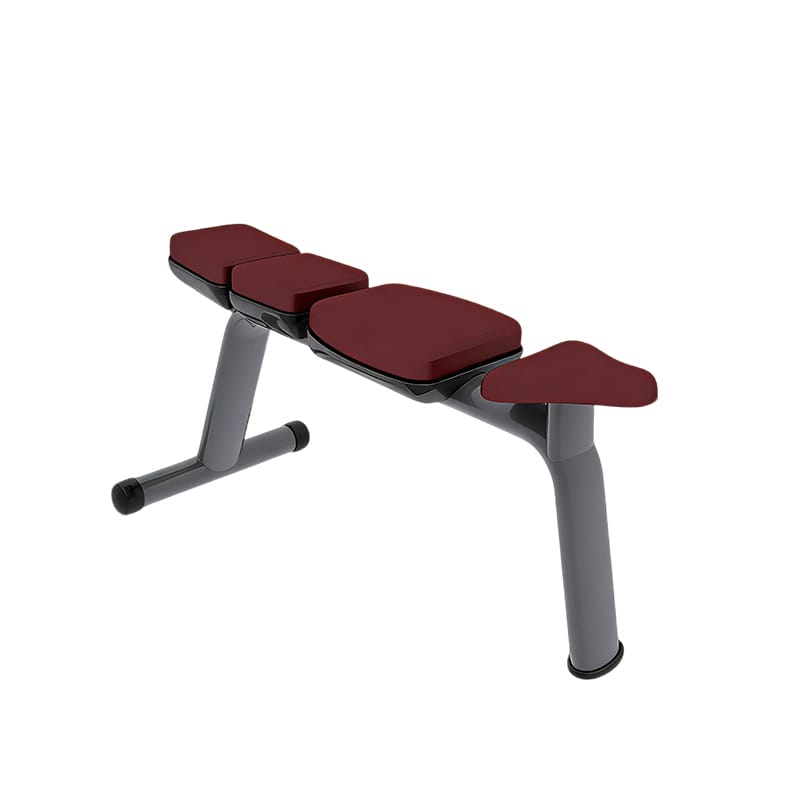
Most training programs fail for one simple reason: the equipment doesn’t support natural movement patterns. A back training bench solves this by creating a controlled environment where the spine, hips, and posterior chain can work together instead of compensating for each other.
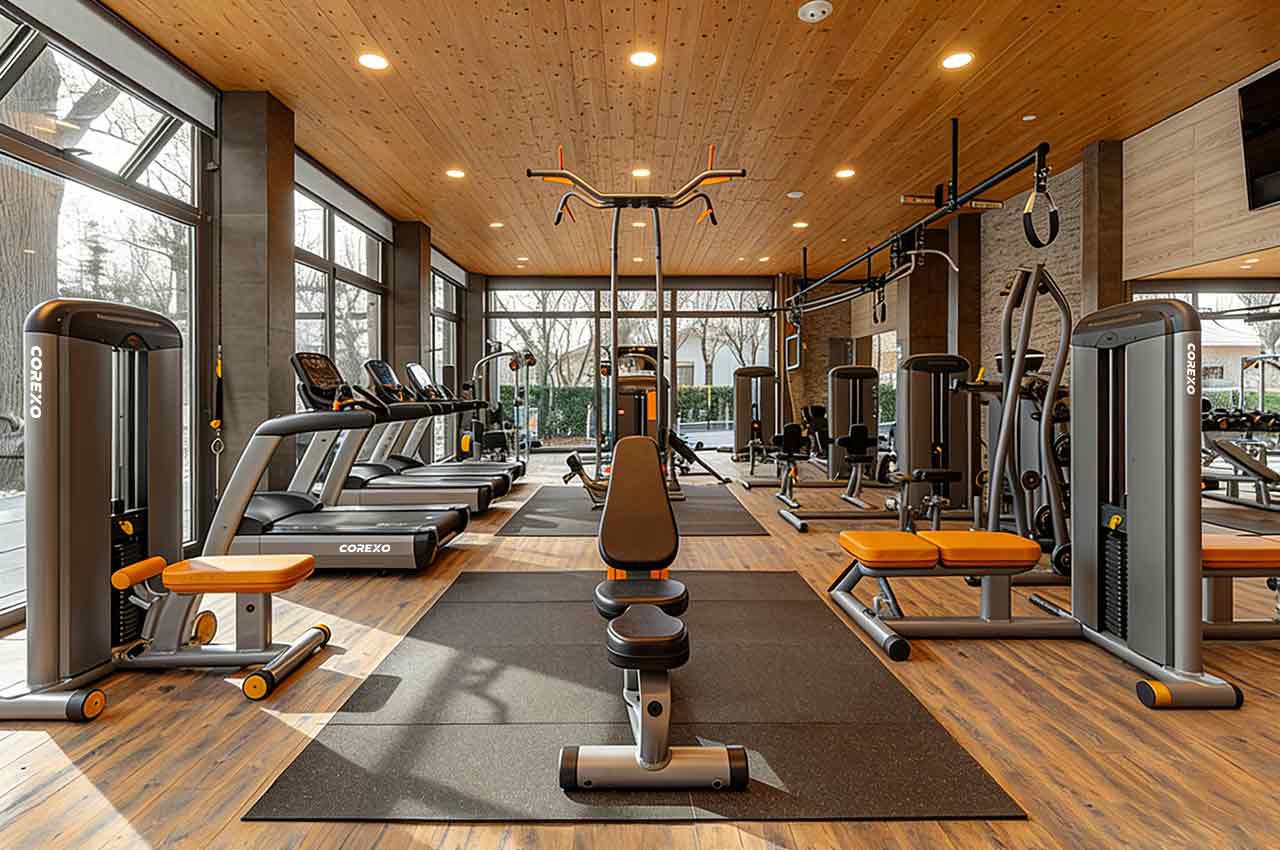
Over the past few years, strength training has shifted away from “random workouts” toward structured movement systems. Whether it’s a compact home setup or a high-traffic training facility, the demand for stable, adjustable, and purpose-built benches has increased significantly. The back training bench sits right at the center of that shift.
From a manufacturing perspective, the real challenge is not just building a strong frame—it’s balancing ergonomics, adjustability, and long-term mechanical stability in a way that actually supports real training behavior.
The Role of a Back Training Bench in Modern Training Spaces
A back training bench is often misunderstood as a simple support tool. In reality, it influences how safely and effectively the posterior chain is trained.
Instead of isolating muscles in a rigid way, it allows controlled movement through multiple angles. This becomes especially important in environments where users have different strength levels, mobility restrictions, or training goals.
In practical use, it supports:
- Controlled spinal extension work
- Stabilized dumbbell and bodyweight training
- Progressive strength development for back muscles
- Assisted movement patterns for beginners
What makes it relevant today is not complexity, but consistency—repeatable movement with reduced injury risk.
Design Types You Will Actually See in Real Training Environments
Not every gym uses the same structure, and that’s where bench design becomes important.
Adjustable Training Structures
These are commonly used in mixed training environments. The ability to change angles is not just about variety—it directly affects muscle activation patterns and joint loading.
Fixed Structural Benches
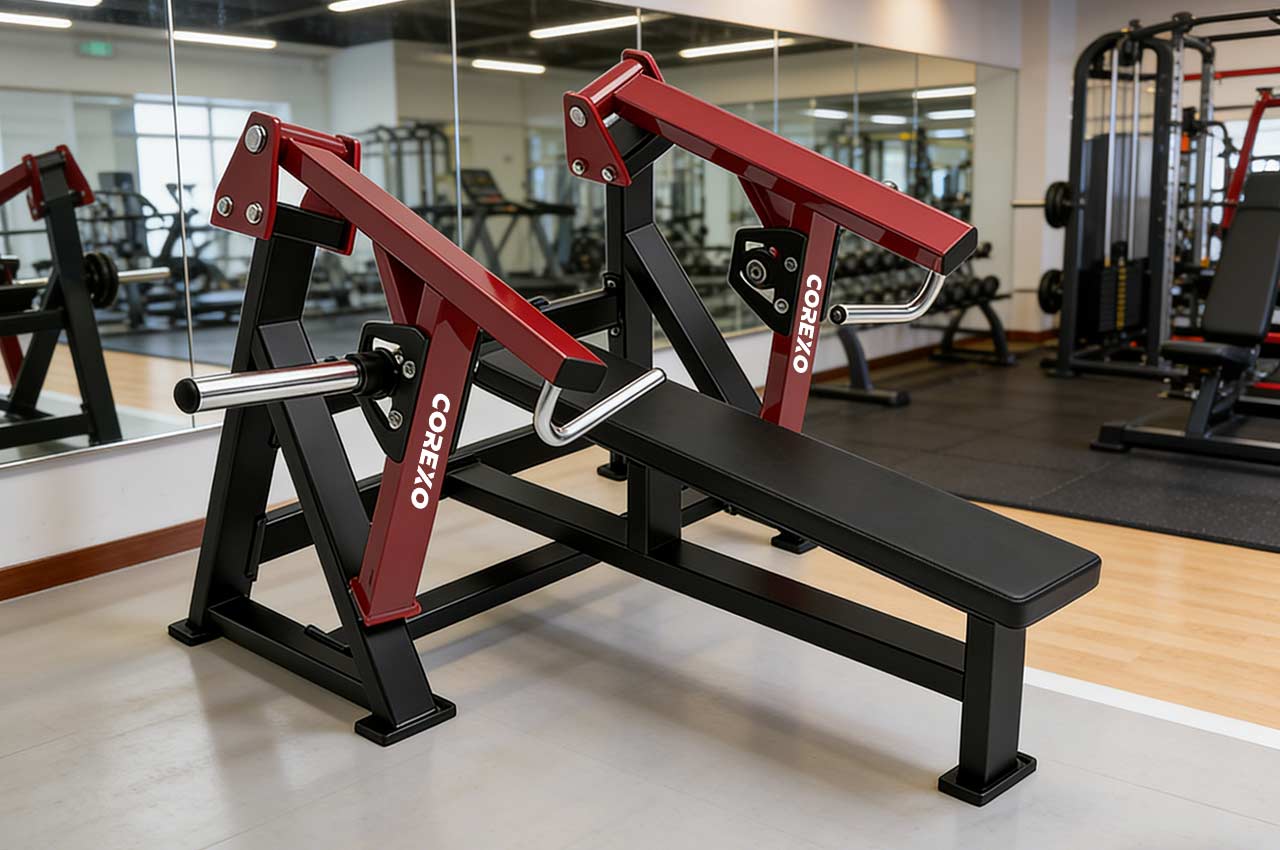
Often found in high-use environments where simplicity and durability matter more than variation. With fewer moving parts, they tend to stay stable under repetitive load.
Space-Efficient Folding Systems
More common in compact training spaces. The design focus here is not maximum load capacity but practical storage and daily usability.
Reinforced Commercial Systems
Built for continuous daily operation. These typically use heavier frames and reinforced connection points to maintain stability under frequent use cycles.
What matters most is not the category itself, but how the structure behaves under real training stress.
Why This Equipment Matters More Than Most People Think
The value of a back training bench is often only noticed after training inconsistencies or discomfort appear.
A properly designed bench supports:
- Better alignment during pulling and extension movements
- Reduced compensation from lower back strain
- More controlled movement tempo
- Improved training awareness and posture feedback
In long-term training environments, these small differences accumulate. The result is not just better performance, but also fewer interruptions caused by overuse stress.
What Actually Defines a High-Quality Back Training Bench
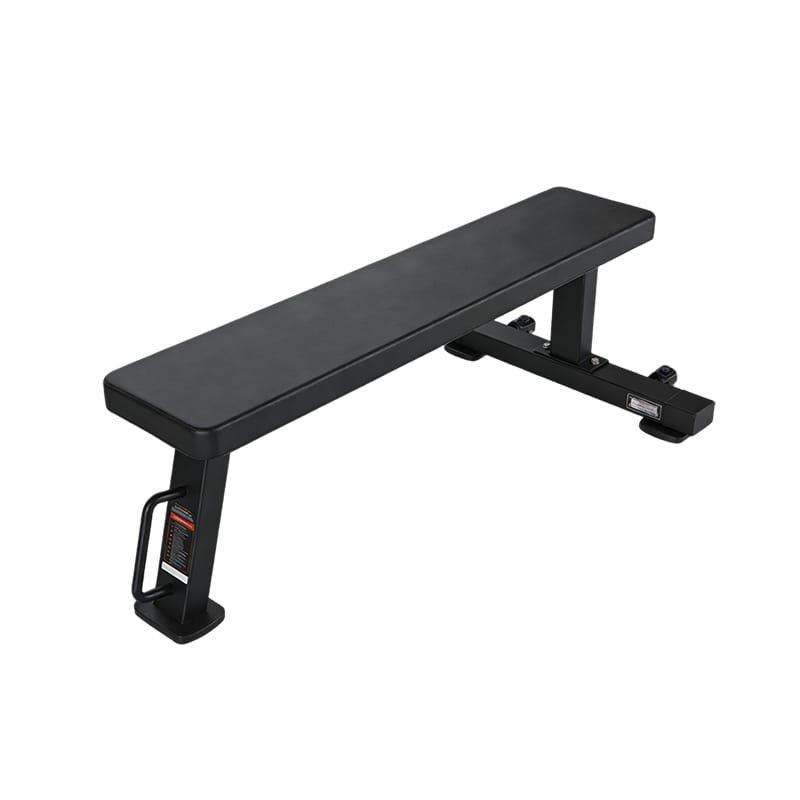
Most product descriptions focus on surface-level features. In real manufacturing and usage scenarios, the evaluation criteria are more structural.
Stability Under Movement
Not just static weight support, but how the bench reacts during shifting force angles.
Adjustment Mechanism Behavior
Smooth adjustment is not enough. The locking system must remain secure under dynamic load conditions.
Frame Geometry
The angle and distribution of support points determine whether the bench feels stable or slightly unstable during use.
Contact Surface Design
Padding density and surface contouring directly affect long-duration training comfort.
Real-World Durability Factors
Not laboratory testing, but how the structure performs after repeated daily use cycles.
These are the details that separate basic equipment from long-term training infrastructure.
Movement Patterns That Depend on a Proper Bench Setup
A back training bench supports more than just one type of exercise. It becomes a platform for structured movement.
Instead of listing exercises, it is more useful to understand movement categories:
Controlled extension work
Focused on spinal alignment and posterior chain activation.
Horizontal pulling variations
Used to strengthen mid-back engagement and shoulder stability.
Stability-based resistance training
Where core control becomes part of the movement, not separate from it.
Mobility-driven activation work
Often used in warm-up or recovery phases to improve range of motion.
The bench is not the focus—the movement quality is.
Choosing the Right Configuration for Different Training Environments
Selection depends less on preference and more on usage reality.
In home environments, space efficiency and simple adjustment systems usually matter more. The equipment needs to be easy to manage without reducing stability.
In commercial environments, the priority shifts toward repetitive durability and structural reinforcement. Equipment must handle continuous usage without performance degradation.
For procurement and facility planning, another layer becomes important: consistency in manufacturing standards. When benches are sourced directly from production facilities, structural variation is minimized, which helps maintain uniform training experience across different units.
Maintenance Is Often Ignored, But It Shouldn’t Be
Even well-built equipment changes over time if it is not maintained properly.
A few practical habits make a noticeable difference:
- Regular inspection of load-bearing joints
- Ensuring locking systems remain responsive
- Keeping contact surfaces clean and intact
- Checking structural alignment periodically
Most performance issues don’t appear suddenly—they develop gradually through overlooked mechanical wear.
Why Manufacturer-Level Production Changes the Outcome
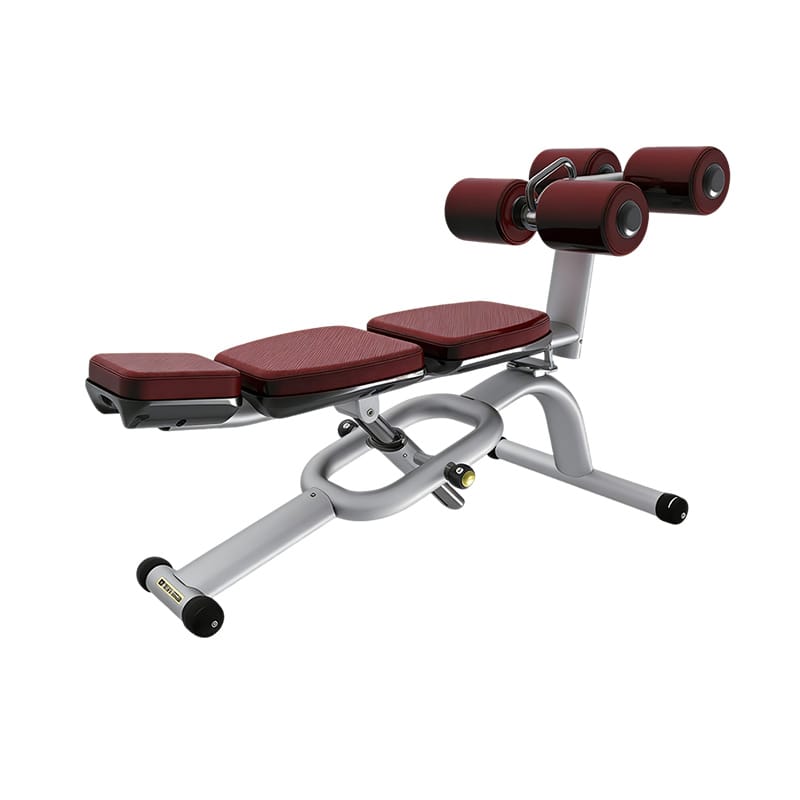
When a back training bench is built at manufacturing level with direct control over materials and structure, the difference shows up in consistency rather than appearance.
It allows:
- Controlled material selection for frame integrity
- Repeatable production standards across batches
- Adaptation for different training markets
- Structural customization based on gym requirements
For distributors, gym planners, and facility developers, this level of control matters more than individual feature lists.
Conclusion
A back training bench is not just a piece of gym equipment—it is a structural support system for movement quality. When designed correctly, it improves training consistency, reduces unnecessary strain, and supports long-term physical development across different user levels.
From a manufacturing standpoint, the key is not adding more features, but refining the relationship between stability, ergonomics, and real-world usage behavior. That is what ultimately defines whether the equipment performs well in both home and commercial environments.
FAQ
What is a back training bench used for?
A back training bench is designed to support exercises that strengthen the back muscles, improve posture, and enhance overall core stability.
Can a back training bench be used in both home and commercial gyms?
Yes, there are models suitable for home gyms with space-saving features, as well as heavy-duty designs built for continuous use in commercial facilities.
Why is adjustability important in a back training bench?
Adjustable benches allow users to perform exercises at different angles, targeting muscles effectively while maintaining safe and controlled movements.
How do I maintain a back training bench for long-term use?
Regularly check structural joints, keep surfaces clean, inspect locking mechanisms, and ensure stability to prevent wear and maintain safety.
What makes a manufacturer-direct back training bench different?
Manufacturer-direct benches provide consistent quality, better structural integrity, and options for customization or OEM solutions for specific gym needs.