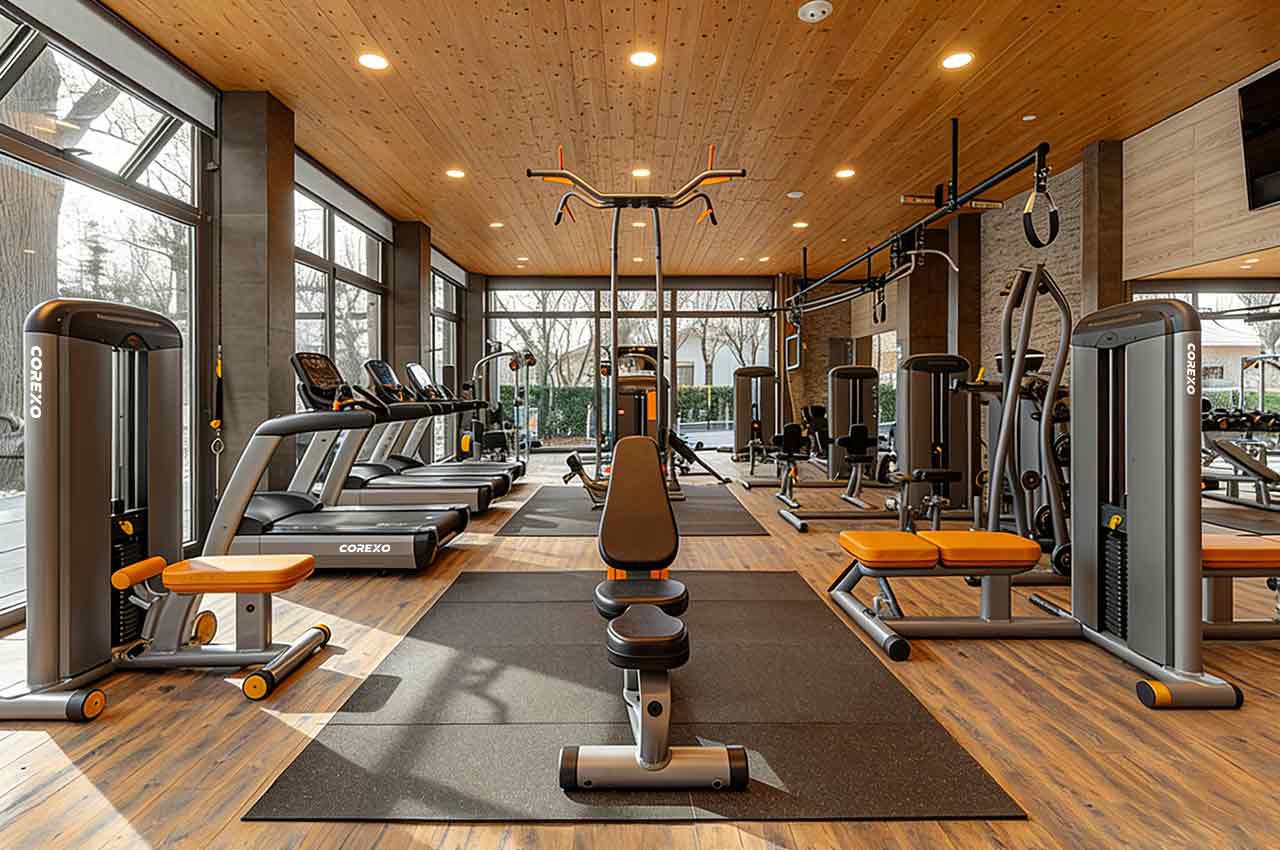
A cardio elliptical trainer has become one of the most widely adopted solutions in both home fitness and commercial gym environments due to its ability to deliver low-impact, full-body cardiovascular conditioning. However, with evolving resistance systems, stride engineering, and digital integration, choosing the right machine is no longer a simple hardware decision—it is a performance optimization process.
This guide takes a manufacturing-level perspective to break down how a cardio elliptical trainer is designed, how performance should be evaluated, and what modern buyers should prioritize when selecting equipment for long-term training efficiency.
Table of Contents
Understanding What a Cardio Elliptical Trainer Is and How It Works
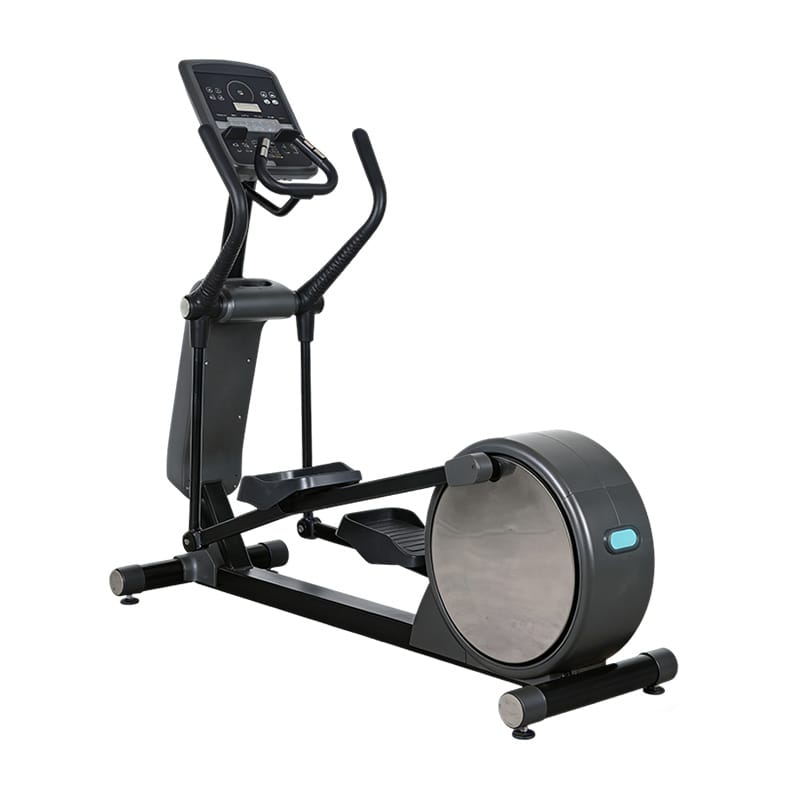
A cardio elliptical trainer is a biomechanical fitness system designed to simulate natural walking, running, or stair climbing motion while minimizing joint stress. Unlike impact-based cardio machines, it uses an elliptical motion path to reduce ground reaction force.
At its core, the system consists of:
- A flywheel that generates rotational inertia
- A resistance mechanism that controls workout intensity
- Linkage arms that coordinate upper and lower body movement
- A rail or track system defining stride geometry
Modern engineering focuses heavily on motion fluidity. High-performance designs aim to eliminate “dead spots” in rotation, ensuring continuous resistance across the full stride cycle.
Stride length is a critical engineering parameter. A longer stride supports more natural gait simulation, while shorter stride systems are typically optimized for compact spaces. Resistance systems today commonly use magnetic control for smoother transitions and reduced mechanical wear.
Key Benefits of Using a Cardio Elliptical Trainer
The value of a cardio elliptical trainer lies in its ability to integrate cardiovascular endurance, muscular engagement, and joint protection into a single motion system.
One of the most significant advantages is low-impact biomechanics. Because the feet never fully leave the pedals, joint stress—particularly on knees and ankles—is significantly reduced compared to traditional running.
From a physiological standpoint, the machine enables synchronized upper and lower body activation. This leads to:
- Improved oxygen utilization efficiency
- Higher overall energy expenditure during sessions
- Better muscle recruitment balance across the body
In endurance conditioning, it is often used for sustained aerobic training because it maintains heart rate stability while reducing fatigue accumulation in impact-sensitive joints.
Another important benefit is adaptability. Resistance variation allows users at different fitness levels to train on the same system without mechanical modification.
Cardio Elliptical Trainer vs Other Fitness Equipment
When evaluating cardio equipment, performance should be measured in terms of impact level, muscle engagement, and cardiovascular efficiency.
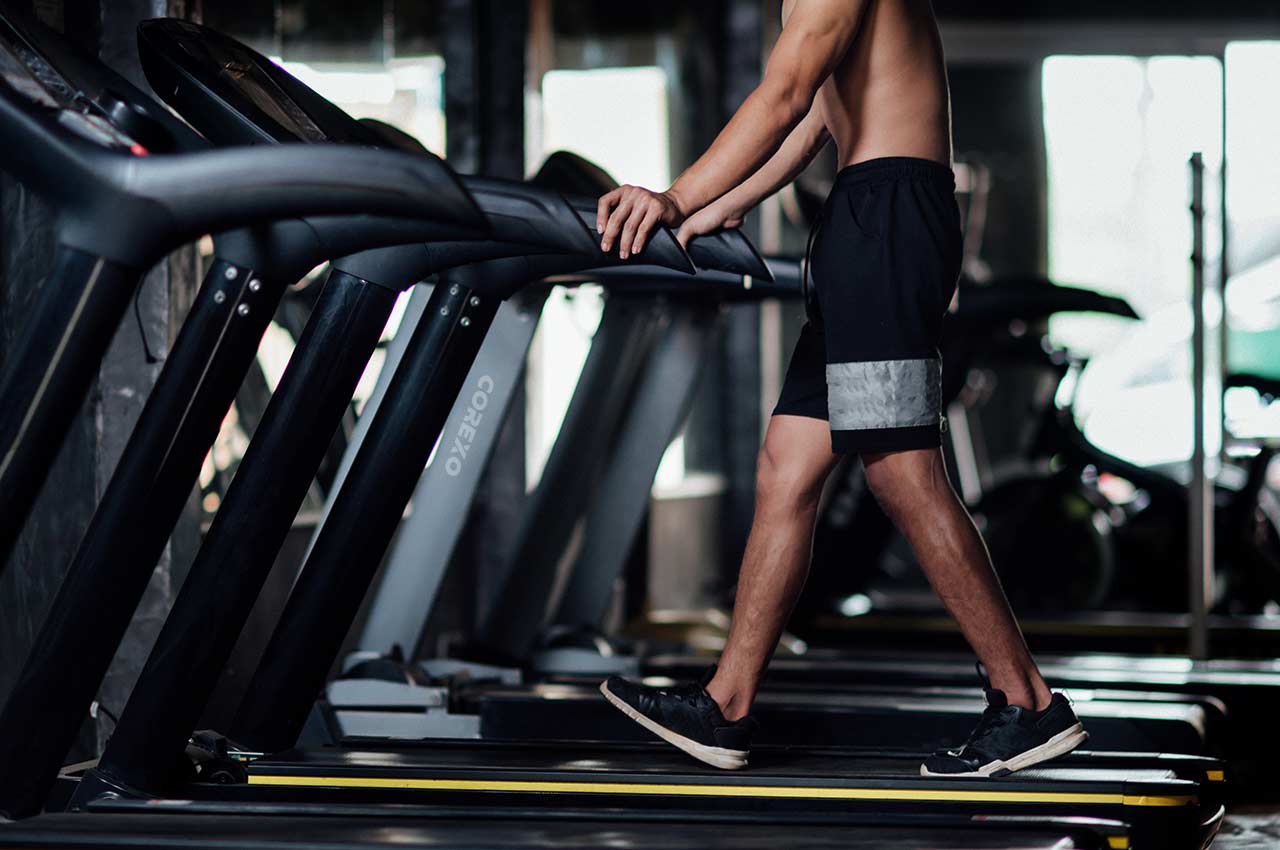
Compared with treadmill systems, a cardio elliptical trainer eliminates repetitive impact stress. While treadmills simulate natural running mechanics, they introduce continuous ground force exposure, which may not be suitable for long-duration training in all populations.
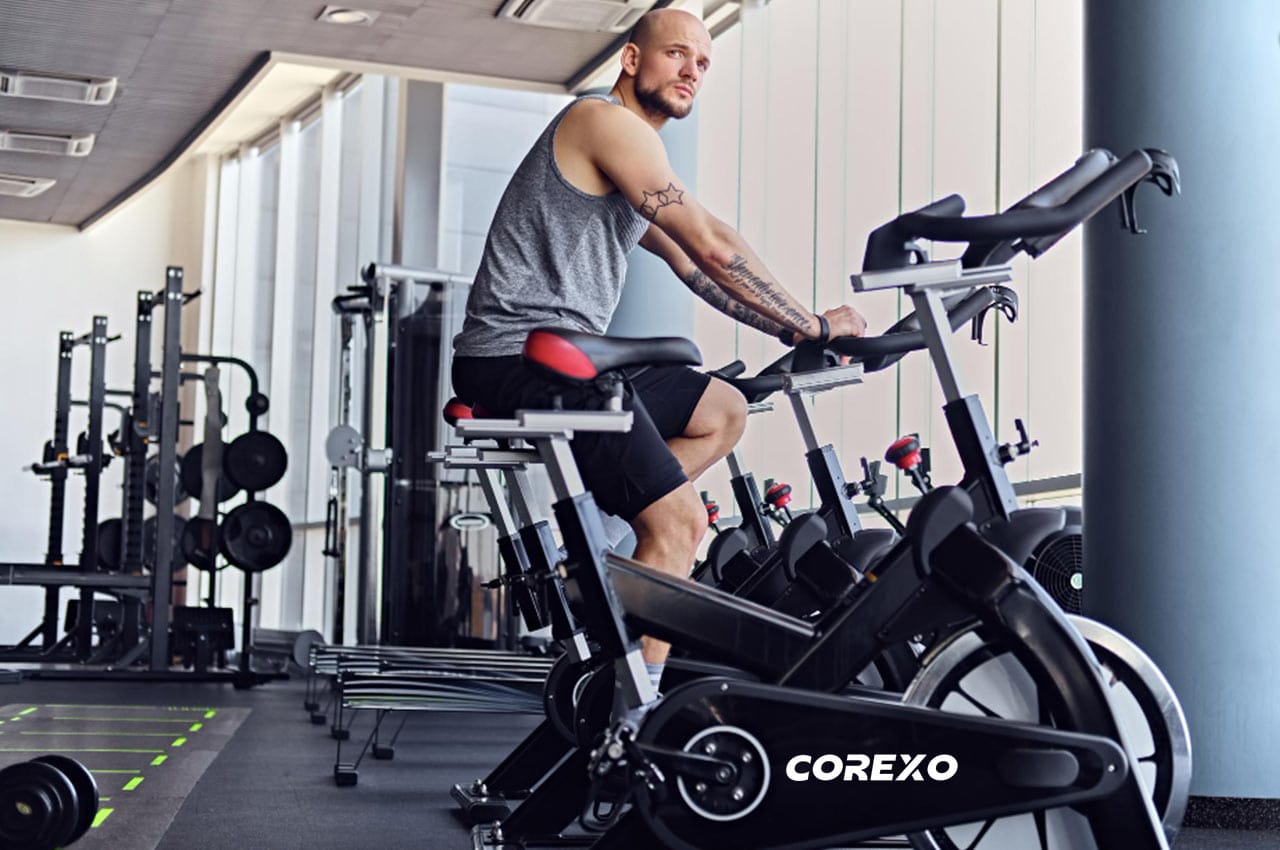
Compared with stationary cycling systems, elliptical motion provides broader muscle activation. Cycling isolates primarily the lower body, whereas elliptical movement integrates upper body engagement through moving handles.
From a home fitness perspective, elliptical systems are often preferred because they combine multiple training modalities into a single compact structure. This reduces the need for multiple machines while maintaining diverse training output.
Types of Cardio Elliptical Trainers Available in the Market
Cardio elliptical trainer systems vary significantly based on drive architecture, resistance technology, and intended usage environment.
Front-drive systems position the flywheel at the front, creating a slightly more vertical stride profile. Rear-drive systems tend to produce a more natural walking motion and smoother incline feel.
Resistance technology is another key classification:
- Magnetic resistance systems offer quiet operation and smoother transitions
- Air-based resistance systems adjust intensity dynamically based on user effort
Usage segmentation also plays a major role. Home-use models prioritize space efficiency and ease of integration, while commercial systems emphasize structural durability and continuous operational stability under high-frequency usage.
Essential Features to Look for in a High-Quality Cardio Elliptical Trainer
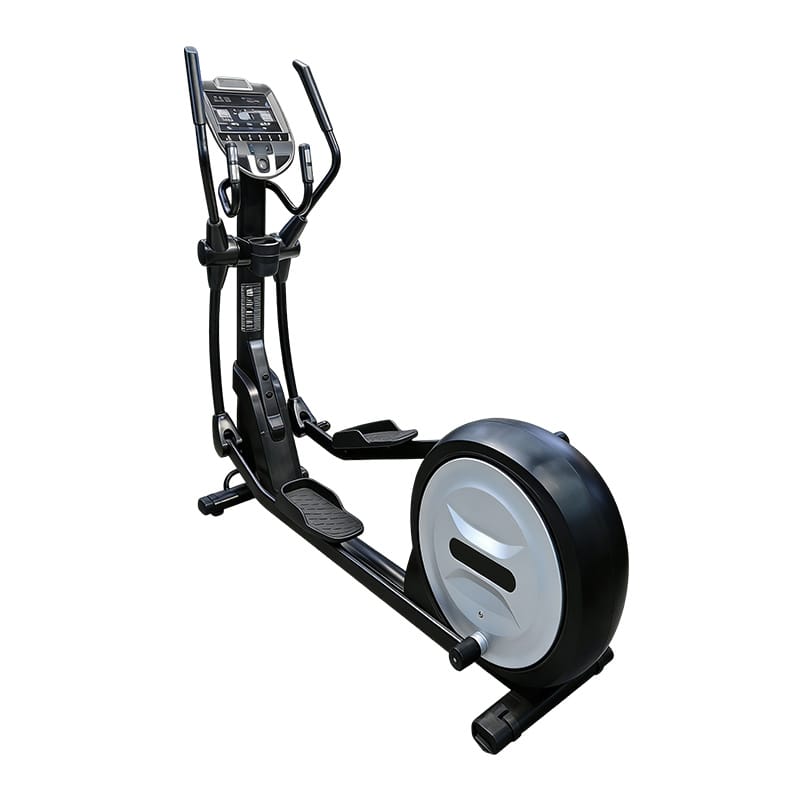
From a manufacturing standpoint, performance quality is determined by mechanical precision and system stability rather than surface features.
A well-designed cardio elliptical trainer should include a stable frame architecture that minimizes vibration during high-resistance operation. Structural rigidity is often achieved through reinforced steel construction and optimized weight distribution.
Resistance consistency is another critical factor. High-quality systems ensure smooth transitions between resistance levels without sudden mechanical jumps.
Stride ergonomics also directly impact usability. Poorly designed stride geometry can lead to unnatural movement patterns, reducing training effectiveness.
Modern systems may include digital monitoring modules that track heart rate response, cadence, and workout duration. While not essential for mechanical function, these systems improve training feedback quality.
Noise control engineering is increasingly important, especially in shared residential environments. Belt alignment precision and magnetic resistance systems contribute significantly to acoustic reduction.
Cardio Elliptical Trainer for Home Gym vs Commercial Gym Use
The design requirements of a cardio elliptical trainer vary significantly depending on deployment environment.
For home gym applications, compact footprint and quiet operation are primary considerations. The system must integrate into limited space without compromising stride comfort. Foldable or space-optimized designs are often preferred in these scenarios.
In commercial environments, durability becomes the dominant engineering priority. Machines must withstand continuous multi-user operation with minimal performance degradation. Reinforced joints, industrial-grade bearings, and high-cycle resistance systems are standard requirements.
Maintenance accessibility is also a key differentiator. Commercial-grade systems are designed with modular components to simplify servicing and extend operational lifespan.
How Manufacturers Ensure Quality in Cardio Elliptical Trainer Production
Manufacturing quality is determined by process control, material selection, and mechanical validation.
High-strength steel frames are commonly used to ensure long-term structural stability. Load-bearing components are tested under repetitive stress simulations to evaluate fatigue resistance.
Precision alignment of moving components is essential to ensure smooth motion transfer. Even minor misalignment can result in vibration, noise, and reduced mechanical efficiency.
Quality assurance testing typically includes:
- Continuous load simulation
- Resistance calibration verification
- Motion trajectory consistency checks
- Long-duration operational endurance testing
In addition, OEM/ODM production capabilities allow customization of stride length, resistance system configuration, and console interface design based on market requirements.
Common Mistakes When Choosing a Cardio Elliptical Trainer
One of the most frequent errors is ignoring stride compatibility. Users often select machines based on appearance rather than motion geometry, which directly affects training comfort.
Another common issue is underestimating the importance of resistance system quality. Low-precision resistance mechanisms can create inconsistent training intensity, reducing effectiveness over time.
Structural stability is also often overlooked. A lightweight frame may appear convenient but can compromise motion control during high-intensity use.
Maintenance considerations are frequently ignored during purchase decisions. Systems with poor component accessibility can lead to higher downtime and reduced usability in the long term.
Latest Trends in Cardio Elliptical Trainer Technology
The evolution of cardio elliptical trainer systems is strongly influenced by digital fitness integration and intelligent training systems.
Smart connectivity is becoming increasingly common, allowing synchronization with mobile training platforms and performance tracking systems. These integrations provide structured workout feedback and progress analysis.
Adaptive resistance technology is another emerging trend. These systems automatically adjust resistance levels based on user performance metrics to simulate variable terrain training.
Energy-efficient design principles are also gaining attention, focusing on reducing mechanical friction and optimizing motion energy transfer.
Virtual training environments are being introduced to enhance engagement, allowing users to simulate outdoor routes or structured fitness programs.
Why Choose a Direct Cardio Elliptical Trainer Manufacturer
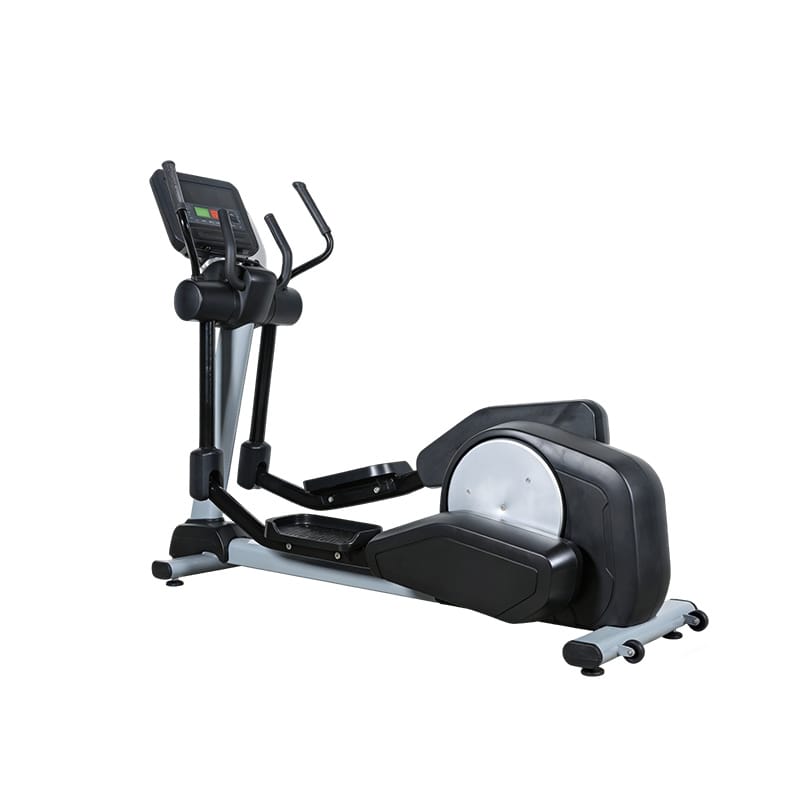
Working directly with a manufacturing source provides several structural advantages in product consistency and customization flexibility.
Direct production control ensures consistent quality standards across all units. This is particularly important for distributors and commercial buyers who require uniform performance across multiple installations.
Customization capabilities allow adaptation of product specifications to different market demands, including frame design, resistance calibration, and console configuration.
Supply chain integration improves production efficiency and reduces variability between batches.
For large-scale fitness equipment distribution, direct manufacturing partnerships also improve long-term product lifecycle support and technical stability.
Conclusion
A cardio elliptical trainer represents a convergence of biomechanics, mechanical engineering, and modern fitness science. Selecting the right system requires more than surface-level comparison—it demands an understanding of motion design, resistance architecture, structural stability, and intended usage environment.
From home fitness setups to commercial training facilities, the effectiveness of a cardio elliptical trainer depends on engineering precision and long-term operational reliability. Manufacturers play a critical role in ensuring consistent performance through controlled production processes and advanced mechanical design.
As fitness technology continues to evolve, demand is shifting toward smarter, quieter, and more adaptive systems. Choosing a well-engineered cardio elliptical trainer is ultimately a decision that impacts training efficiency, user experience, and long-term equipment value.
FAQ
What is a cardio elliptical trainer used for?
It is designed for low-impact cardiovascular exercise that engages both upper and lower body muscles while improving endurance and overall fitness.
Is a cardio elliptical trainer suitable for beginners?
Yes. It offers adjustable resistance levels, making it suitable for beginners as well as advanced users who want structured cardio training.
How does a cardio elliptical trainer differ from a treadmill?
An elliptical trainer reduces joint impact by eliminating direct foot strike, while still providing effective cardio exercise and full-body movement.
What features should I look for in a high-quality elliptical trainer?
Key factors include smooth resistance control, stable frame structure, ergonomic stride design, and quiet motion performance.
Can a cardio elliptical trainer be used for home gyms?
Yes. Many models are designed for home use with compact structure, quiet operation, and space-efficient engineering suitable for indoor environments.